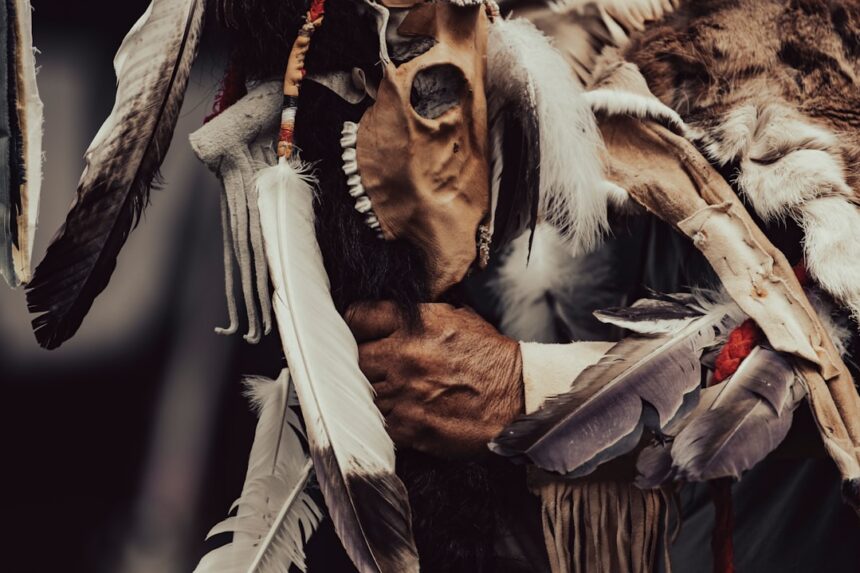
New data underscores a critical disparity in cancer research representation: while 85% of cancer studies focus on populations of European ancestry and 12% examine other diverse groups, Native Americans comprise merely 3% of cancer research participants. The University of Notre Dame’s groundbreaking molecular analysis of breast cancer in Native American women directly addresses this significant research gap.
By conducting the first comprehensive tissue-level genetic study of breast cancer in this population, researchers identified distinct molecular signatures that could fundamentally alter treatment approaches. These findings reveal that genetic differences may substantially impact how Native American patients respond to standard therapies and targeted treatments.
The research underscores why closing representation gaps in precision medicine is essential. Without population-specific data, healthcare providers cannot fully optimize treatment protocols for all patients, perpetuating existing health disparities.
Was this article helpful?