🟠 Moderate Evidence
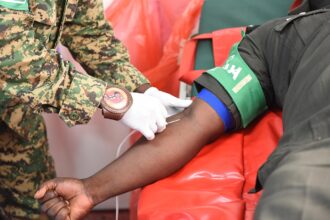
The UK’s National Health Service is expanding its prostate cancer screening trial to include more black men, who face twice the risk of developing the disease compared to white men. The Transform trial, launched in 2021, aims to determine the most effective screening methods beyond traditional blood tests, which alone lack sufficient accuracy for population-wide screening.
Key takeaways
- Black men face double the prostate cancer risk compared to white men, with higher mortality rates
- The Transform trial now actively recruits black men aged 50-69 rather than the standard 60-69 age range
- Current PSA blood tests alone are insufficient for accurate population screening, missing many cancers while generating false positives
- The trial combines PSA testing with MRI scans to improve diagnostic accuracy
Study at a Glance
| Source | NHS England Transform Trial |
| Study type | Randomized controlled trial |
| Sample size | N = 300,000 (target) |
| Population | Men aged 50-69 (black men) and 60-69 (other ethnicities) |
| Country | United Kingdom |
Prostate Cancer Risk by Ethnicity and Age
Relative risk compared to white men, showing why targeted screening matters
Source: Prostate Cancer UK, 2023 | Georgian Medical Journal News

Addressing Health Inequalities Through Targeted Screening
The NHS England Transform trial represents a significant shift toward addressing racial health disparities in cancer screening. Black men not only face double the risk of developing prostate cancer but also experience higher mortality rates, with the disease often diagnosed at more advanced stages.
Dr. Noel Clarke, professor of urological oncology at The Christie NHS Foundation Trust and Transform trial lead, emphasized the importance of this targeted approach. The trial now actively recruits black men starting at age 50, a decade earlier than the standard screening age, recognizing their elevated risk profile.
The expanded recruitment strategy addresses a critical gap in health policy, where previous screening programs often failed to adequately represent high-risk populations. This approach aligns with international guidelines recognizing the need for risk-stratified screening protocols.
Beyond PSA: Combining Technologies for Better Accuracy
Traditional prostate-specific antigen (PSA) blood tests, while widely used, present significant limitations for population screening. The National Cancer Institute reports that PSA tests can miss up to 15% of prostate cancers while producing false positives in approximately 70% of cases.
The Transform trial addresses these limitations by combining PSA testing with magnetic resonance imaging (MRI) scans. This multiparametric approach aims to improve diagnostic accuracy while reducing unnecessary biopsies and patient anxiety associated with false positive results.
Preliminary data from similar international trials suggest that MRI-guided screening can reduce overdiagnosis of low-risk cancers by up to 30% while maintaining sensitivity for clinically significant disease. The clinical implications extend beyond individual patient care to healthcare system efficiency and resource allocation.
Black men face twice the risk of prostate cancer and higher mortality rates, yet remain underrepresented in screening trials
— NHS England Transform Trial investigators (2024)
Implementation Challenges and Healthcare Access
The expanded trial faces several implementation challenges, particularly in reaching underserved communities where health disparities are most pronounced. Cancer Research UK data indicates that black men are less likely to participate in screening programs due to various socioeconomic and cultural barriers.
Healthcare providers participating in the trial are implementing culturally sensitive outreach strategies, including community partnerships and multilingual educational materials. The patient rights component ensures informed consent processes address specific concerns within black communities about medical research participation.
Geographic accessibility remains another consideration, with MRI scanning requirements potentially limiting participation in rural or underserved urban areas. The trial protocol includes provisions for mobile screening units and partnerships with community health centers to address these logistical challenges.
Global Implications for Personalized Screening
The Transform trial’s risk-stratified approach reflects a broader shift toward personalized medicine in cancer screening. Similar initiatives in the United States and Canada have begun incorporating genetic risk factors and family history into screening recommendations, moving beyond the traditional one-size-fits-all model.
The World Health Organization has identified personalized screening as a key strategy for reducing global cancer mortality while optimizing healthcare resource utilization. Early results from risk-based screening programs show promise for improving cost-effectiveness ratios compared to population-wide approaches.
International collaboration through the global health research network enables rapid sharing of screening protocols and outcome data, accelerating the development of evidence-based guidelines for diverse populations worldwide.
What this means
Frequently asked questions
Why do black men have higher prostate cancer risk?
Research suggests a combination of genetic, environmental, and socioeconomic factors contribute to elevated risk. Genetic variations affecting hormone metabolism and DNA repair mechanisms may play a role, though the exact mechanisms remain under investigation.
How accurate are current prostate cancer screening tests?
PSA tests alone miss approximately 15% of prostate cancers and produce false positives in about 70% of cases. The Transform trial’s combination approach with MRI aims to improve these accuracy rates significantly.
Who is eligible to participate in the Transform trial?
The trial recruits men aged 50-69 from black ethnic backgrounds and men aged 60-69 from other ethnic groups across participating NHS trusts. Participants must not have a previous prostate cancer diagnosis.
The Transform trial’s expanded focus on black men represents a crucial step toward more equitable cancer screening that acknowledges biological and social determinants of health. As preliminary results become available over the coming years, this research may inform screening guidelines globally and help reduce persistent health disparities in cancer outcomes. The trial’s success could establish a new paradigm for risk-based screening that better serves all populations while optimizing healthcare resources.
Source: More black men to benefit from prostate cancer screening trial
Was this article helpful?
Disclaimer. This article is health journalism intended for general information and education. It is not medical advice and is not a substitute for professional diagnosis or treatment. Always consult a qualified healthcare provider about your individual circumstances. Full disclaimer →
Related Coverage




Medically reviewed by Prof. Giorgi Pkhakadze, MD, MPH, PhD. Spotted an error? Contact the editorial team.