



Prof. Giorgi Pkhakadze, MD, MPH, PhD
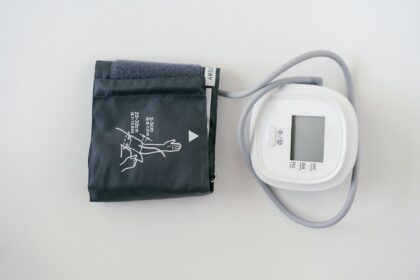
Primary aldosteronism: why screening for this overlooked cause of hypertension matters
Primary aldosteronism causes 5–15% of hypertension cases but remains underdiagnosed globally. A Nature Reviews Disease Primers review highlights improved screening…

Georgian Dictionary of Public Health
Photo: Tbilisi, by Geo Max (Flickr), cropped for layout · Licensed CC BY-SA 2.0 · Source A feature on the…
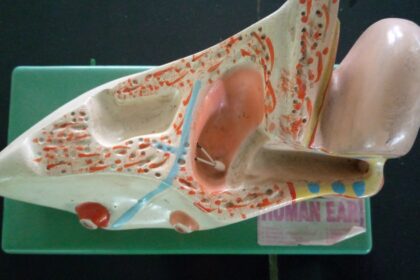
Balance Problems and the Vulnerable Mind: A Gene Study Links the Inner Ear to Cognition
Vestibular dysfunction — the medical term for chronic balance problems rooted in the inner ear — is increasingly suspected of…

Screening Young Athletes’ Hearts: What a Georgian Cohort Reveals
Sudden cardiac death in children and adolescents is rare, but catastrophic — and a meaningful share of exercise-related cases trace…

What Tskaltubo’s Waters Do to Blood: Measuring the Effects of Radon Mineral Baths
Georgia's Tskaltubo spa waters have treated joint disease for a century — long before anyone could explain, in physiological terms,…

Cancer and Tuberculosis in the Same Chest: The Diagnostic Trap a CT-Guided Biopsy Solved
Latent tuberculosis and lung cancer are well known to be associated — but active tuberculosis coexisting with lung cancer in…

Why Hospitals Need IT Governance as Much as They Need Doctors
Up to 20–40% of global health expenditure is lost to operational inefficiencies — poor procurement, fragmented workflows, weak coordination. A…

The NAD⁺ Injection Boom: Miracle Anti-Ageing Fix or Unregulated Gamble?
NAD⁺ injections and infusions, along with oral "NAD boosters" like nicotinamide riboside and nicotinamide mononucleotide, have rapidly expanded in wellness…