



Prof. Giorgi Pkhakadze, MD, MPH, PhD

MHRA Safety Roundup: June 2026 — Key Drug and Device Alerts for Clinicians
The UK Medicines and Healthcare products Regulatory Agency (MHRA) has published its June 2026 safety roundup, consolidating critical alerts for…

Onsite Training and Mentorship Accelerates Childhood Cancer Diagnosis in Ethiopia
A multilevel training and mentorship program significantly improved childhood cancer diagnosis in Northwest Ethiopia, addressing late recognition that keeps survival…

Diabetic Foot Ulcer in a 67-Year-Old Man: Clinical Case and Management Lessons
A 67-year-old man with type 2 diabetes presented with a chronic foot ulcer, illustrating the multidisciplinary approach required to prevent…

Patient Left in Hospital After Insurer Delays Lifesaving Immune-Boosting Drug
A Medicare beneficiary requiring an immune-boosting medication was hospitalized after her insurer delayed prior-authorization approval, exposing the gap between the…

Foamy immune cells packed with fat may drive MS progression, new brain tissue study suggests
Researchers have discovered that immune cells packed with lipid droplets accumulate in the brains of patients with severe multiple sclerosis…

Princess of Wales Completes Three Peaks Challenge to Advocate for Holistic Cancer Care
Catherine, Princess of Wales, completed the Three Peaks Challenge to advance awareness of holistic cancer care—an integrated approach addressing psychological,…

Butter vs Margarine: How Chemistry Determines Performance in Cooking and Health
The choice between butter and margarine is fundamentally rooted in chemistry. Butter's naturally occurring milk fats create flakiness and browning…
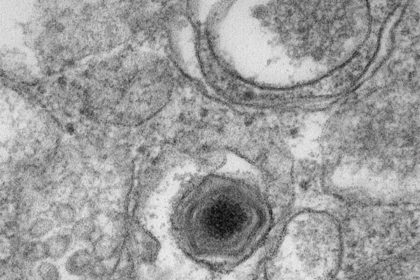
World Animal Health Organisation Issues First Global Guidelines for African Swine Fever Vaccines
The World Animal Health Organisation has published the first global harmonised guidelines for African swine fever vaccines, establishing standardised protocols…