



Prof. Giorgi Pkhakadze, MD, MPH, PhD

Why Fiber Causes Stomach Upset—And How to Build Tolerance
Fiber-induced stomach upset stems from rapid fermentation, not true intolerance. Microbial adaptation over 1–3 weeks resolves symptoms—even at higher fiber…

How Your Gut Controls Magnesium Absorption: The TRPM6 Channel and What Form Actually Matters
Your gut's TRPM6 ion channels regulate magnesium absorption based on body status, upregulating when depleted and downregulating when replete. While…

Stress Reduces Cognitive Performance by 20%, Study Shows—Botanicals May Offer Partial Relief
Acute psychological stress impairs memory and attention by approximately 20%, according to recent neuroscience literature. Adaptogenic botanicals such as Rhodiola…

L-Theanine and Alpha Waves: What the Research Actually Shows
The ubiquitous claim that L-theanine boosts alpha waves simplifies a more complicated research picture. Two studies documented alpha increases at…

Mitochondria as cellular decision-makers: reframing disease, aging, and inflammation
Mitochondria regulate far more than energy production—they control inflammation, ageing, and disease progression through metabolic signalling. New research shows seven…

Heart’s First Beat Emerges From Collective Cellular Synchronization, Not Single Pacemaker
A new Nature study reveals that the heart's first beat emerges from collective synchronization of many cells crossing an electrical…

How testosterone is really made: the brain–gonad feedback loop explained
Testosterone production is regulated by a precise feedback loop between the brain and testes, not determined by exercise alone. Chronic…
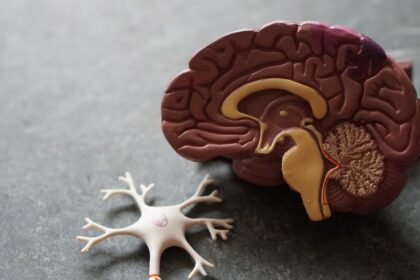
How the Brain Controls Inflammation Through the Vagus Nerve
The vagus nerve transmits electrical signals from the brain to the immune system, reducing inflammation through acetylcholine release. Clinical trials…