



Prof. Giorgi Pkhakadze, MD, MPH, PhD
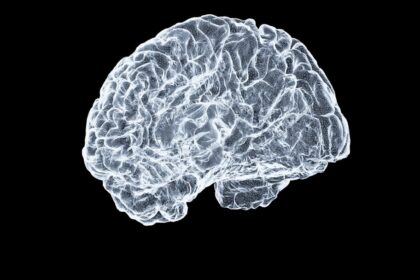
Brain’s Energy Demands: Why B Vitamins and Micronutrients Matter for Cognitive Function
The human brain consumes 20% of body energy in adults—rising to 50% in children around age 10. Adequate B vitamins…
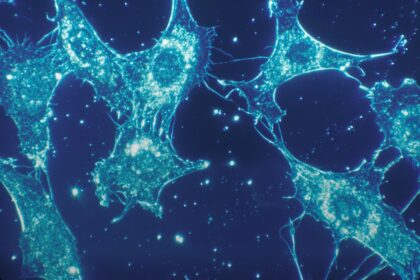
Actin: The Molecular Engine Powering Cell Movement, Division, and Immune Defense
Actin, comprising ~6% of cellular protein, is a multifunctional molecule enabling muscle contraction, immune cell migration, and cell division. Cells…

Resistance Training Protects Brain Health Through Vascular and Cognitive Pathways, New Evidence Shows
Resistance training influences brain health through endothelial function, neurotrophic signalling, blood-brain barrier integrity, and inflammation control, according to 2025 research.…

Krill Oil vs Fish Oil: What the Evidence Shows About Bioavailability Claims
Krill oil is marketed as two to eight times more bioavailable than fish oil, but direct comparison studies with matched…
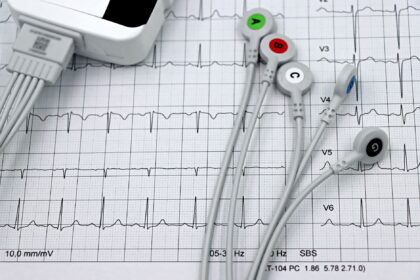
Alcohol Suppresses Heart Rate Variability During Sleep Across All Fitness Levels
A 4,098-person study from Finland found that alcohol suppresses heart rate variability (HRV) during sleep in a clear dose-response pattern,…

Exercise’s True Power: A Systematic Review Shows Mitochondrial Remodeling, Not Just Volume, Drives Fitness Gains
A systematic review analyzing 425 human studies shows that training intensity—not duration—is the primary driver of mitochondrial expansion, with high-intensity…

Egg consumption linked to 27% lower Alzheimer’s risk in large multi-cohort study
A 15-year prospective study of nearly 40,000 adults found that those consuming five or more eggs weekly had 27% lower…

How vitamin B12 absorption works: two competing pathways explain why high-dose pills can rival injections
Vitamin B12 is absorbed via two pathways: intrinsic factor, which saturates at 1.5 µg per dose, and passive intestinal diffusion,…