



Prof. Giorgi Pkhakadze, MD, MPH, PhD
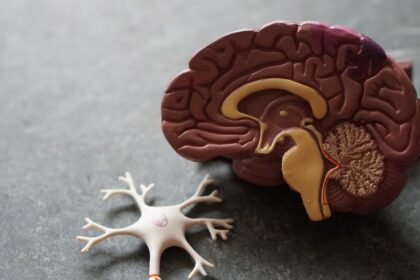
How the Brain Controls Inflammation Through the Vagus Nerve
The vagus nerve transmits electrical signals from the brain to the immune system, reducing inflammation through acetylcholine release. Clinical trials…

Magnesium Supplementation Reduces Blood Pressure: Meta-Analysis Shows Modest but Measurable Benefits
A 2024 umbrella meta-analysis shows that magnesium supplementation at doses of 400 mg or more, taken for at least 12…
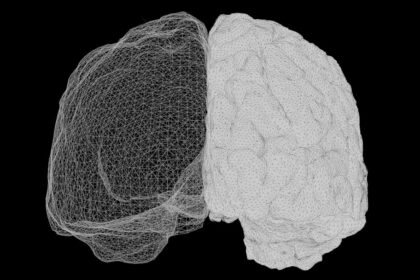
L-Theanine: How an amino acid shifts brain waves toward calm focus without drowsiness
L-theanine, a naturally occurring amino acid in green tea, shifts brain electrical activity toward patterns associated with calm focus while…
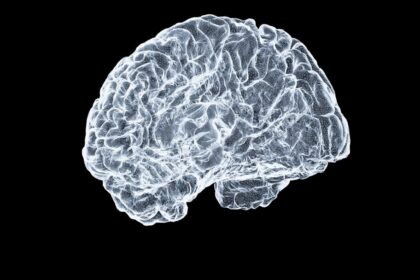
How Muscle Contractions Signal the Brain: The Myokine Pathway Explained
Skeletal muscle releases signalling molecules called myokines that travel through the bloodstream to regulate learning, memory, and brain inflammation. Different…

How Your Body Makes and Uses Creatine: The Complete Energy System Explained
Creatine is a naturally occurring molecule synthesized in the kidneys and liver that serves as the body's primary rapid-access energy…
Brain Energy Demands: Why Your Hardest Thinking Uses Only 5% More Fuel
The brain uses only 5% more energy during intensive thinking than at rest, because baseline metabolic demands for cell maintenance…

How Your Gut Absorbs Nutrients: A Section-by-Section Guide to Digestive Checkpoints
Nutrient absorption is not a single process but a carefully choreographed sequence distributed across seven anatomical zones of the gastrointestinal…

How Vitamin D Becomes an Antimicrobial Weapon Inside Your Immune Cells
Macrophages actively convert vitamin D into cathelicidin, a potent antimicrobial peptide, when pathogens are detected. Research shows that vitamin D…