Updated 13/09/2026
🟠 Moderate Evidence
L-theanine, an amino acid naturally present in green tea, produces measurable changes in brain electrical activity that promote relaxation without sedation, according to neuroscience research. The compound shifts brain wave patterns from high-frequency beta waves associated with stress toward alpha waves linked to calm focus, while simultaneously modulating key neurotransmitters including GABA, serotonin, and dopamine.
Key takeaways
- L-theanine increases alpha brain waves (calm focus) while reducing beta waves (active stress) without causing drowsiness
- The amino acid enhances GABA, serotonin, and dopamine while reducing glutamate signaling, creating balanced neurotransmitter profiles
- When combined with caffeine, L-theanine improves focus and reaction time; alone, it promotes relaxation before sleep
- The compound helps buffer physiological stress responses by lowering cortisol and blood pressure during stressful situations
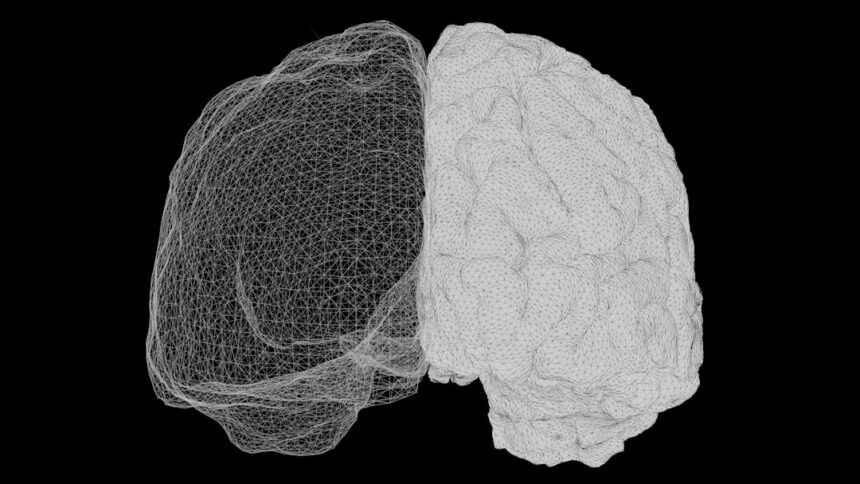
L-theanine’s mechanism: from stress waves to calm focus
Brain wave patterns and neurotransmitter effects

Source: Neuroscience literature on L-theanine mechanisms | Georgian Medical Journal News
Brain wave modulation: the mechanism behind calm alertness
The human brain continuously generates electrical patterns classified into distinct frequency bands. According to research on brain wave dynamics, beta waves, which range from 12–30 Hz, reflect active thinking, problem-solving, and stress states, while alpha waves, oscillating at 8–12 Hz, characterize calm focus, creativity, and meditative states. L-theanine promotes a measurable shift in this balance.
By enhancing alpha wave production while reducing beta wave dominance, L-theanine creates the neurological foundation for what practitioners describe as “relaxed alertness”—a state distinct from either wakefulness with tension or sedative drowsiness. This represents the compound’s core mechanism and explains its appeal to individuals seeking mental clarity without fatigue.
Neurotransmitter balancing: GABA, serotonin, dopamine, and glutamate
L-theanine’s effects extend beyond brain wave patterns to the chemical messengers that regulate mood, stress response, and cognitive function. Research published in the Journal of Nutritional Biochemistry documents that L-theanine increases levels of GABA, the brain’s primary inhibitory neurotransmitter responsible for reducing neural overactivity. Simultaneously, the compound enhances serotonin and dopamine—molecules essential for mood stability and motivation—while modulating glutamate, an excitatory neurotransmitter that, in excess, can amplify stress and anxiety.
This balanced neurotransmitter profile mirrors states achieved through meditation or deep breathing exercises, according to clinical studies on acute stress response. The synergy among these chemical changes creates a unified calming effect without the cognitive dulling associated with sedatives, making L-theanine mechanistically distinct from traditional anxiolytics.
L-theanine’s unique capacity to promote calm alertness stems from its dual action: increasing inhibitory (GABA) and mood-stabilizing (serotonin, dopamine) neurotransmitters while reducing excitatory glutamate signaling, thereby shifting brain waves from stress-dominant beta patterns toward creativity-linked alpha patterns.
— Neuroscience research literature on L-theanine mechanisms
Stress resilience and psychophysiological buffering
Beyond immediate brain wave and neurotransmitter effects, L-theanine demonstrates capacity to buffer the physiological cascade triggered by acute stress. Studies measuring cortisol and blood pressure in stressful conditions show that L-theanine supplementation reduces both markers of physiological stress reactivity. This suggests the compound helps maintain the body’s stress-response homeostasis, preventing the escalation from perception of threat to sustained elevation in cortisol and sympathetic nervous system activation.
This resilience-building effect is particularly relevant in modern work environments where chronic low-grade stress contributes to burnout, sleep disruption, and cognitive decline. By dampening the physiological amplification of perceived stress, L-theanine may help individuals maintain cognitive performance during demanding periods—explaining its growing adoption in clinical and occupational wellness settings.
For readers seeking to understand why green tea produces a distinctly different subjective experience than coffee despite both containing caffeine, GMJ’s Explainers section explores how L-theanine and caffeine interact synergistically. When consumed together, L-theanine blunts caffeine’s jittery effects while preserving its focus-enhancing benefits—a phenomenon documented in attention and reaction time studies.
Sleep quality and pre-sleep relaxation without sedation
Administered independently of caffeine, L-theanine supports sleep onset by quieting the neural hyperactivity that prevents sleep in individuals with racing thoughts or rumination. EEG studies measuring sleep quality suggest that L-theanine does not induce sedation but rather removes the neurological noise—excess beta wave activity—that interferes with the natural transition to sleep. Users report subjective improvements in sleep ease without morning grogginess, distinguishing it from pharmaceutical sleep aids that leave residual cognitive impairment.
This mechanism has implications for individuals with insomnia rooted in rumination, anxiety, or overstimulation rather than circadian misalignment. For further clinical context on non-pharmacological sleep interventions, readers may consult GMJ’s Clinical Updates for evidence-based sleep strategies.
What this means
Frequently asked questions
Is L-theanine safe? Are there side effects?
L-theanine is well-tolerated across most populations at supplemental doses (100–200 mg). Safety reviews in Amino Acids journal report minimal adverse events, with rare cases of headache or gastrointestinal sensitivity at high doses. However, individuals on blood pressure medication should consult their clinician, as L-theanine’s blood pressure-lowering effects may potentiate antihypertensive drugs.
How much L-theanine is in a cup of green tea?
A typical cup of brewed green tea contains 25–50 mg of L-theanine, depending on steep time and leaf quality. Supplemental forms provide 100–200 mg per dose, delivering concentrations higher than food sources alone. Studies analyzing L-theanine content across tea varieties confirm green tea as the richest natural source, though white and oolong teas also contain measurable amounts.
Can I combine L-theanine with caffeine? Is that safe?
Yes, L-theanine and caffeine form a synergistic pair documented in multiple cognitive studies. Research in Nutritional Neuroscience shows that L-theanine (100–200 mg) combined with caffeine (40–100 mg) improves focus and reaction time while reducing jitteriness compared to caffeine alone. This is why green tea produces a smoother, more sustained alertness than coffee. No safety concerns are documented at typical consumption levels.
As research into botanical nootropics advances, L-theanine exemplifies how traditional beverages like green tea encode bioactive compounds with measurable neurochemical effects. The growing intersection of neuroscience, nutrition, and clinical practice positions compounds like L-theanine as bridges between food and medicine—substances worthy of rigorous investigation and evidence-based integration into wellness and clinical care protocols. Future research should focus on dose optimization, individual response variability, and potential synergies with other phytochemicals in tea.
Source: L-theanine neuroscience and tea chemistry literature
🗺️ Find certified Georgian healthcare providers: sheniekimi.ge — Georgia Health Map · 998 clinics · 6,600+ doctors · 2,296 pharmacies
Was this article helpful?
Disclaimer. This article is health journalism intended for general information and education. It is not medical advice and is not a substitute for professional diagnosis or treatment. Always consult a qualified healthcare provider about your individual circumstances. Full disclaimer →
Related Coverage


Editorial standards. This article was produced under the GMJ News editorial process, with oversight by the GMJ Editorial Board. Our editorial process. Spotted an error? Contact the editorial team.