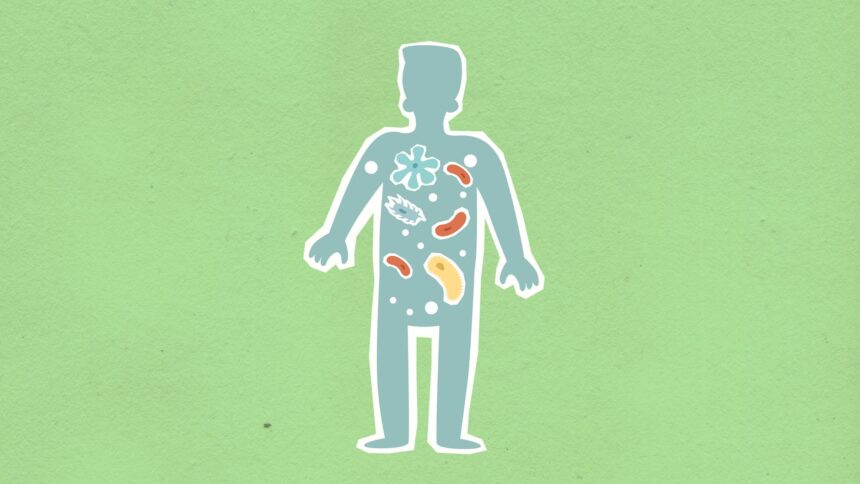
The human gut microbiome functions as a sophisticated communication network that extends far beyond digestion, actively influencing brain function, immune responses, and metabolic processes through complex biochemical signaling pathways. The trillions of microorganisms residing in the intestinal tract produce neurotransmitters, immune mediators, and metabolic compounds that directly impact neurological and systemic health outcomes.
Health Conditions Linked to Gut Microbiome Imbalances
Research has documented associations across multiple health categories
Source: Based on documented patterns from gut microbiome research
Neurotransmitter Production Links Gut Health to Mental State
The gut microbiome directly influences neurotransmitter synthesis, with gut bacteria producing compounds that affect mood regulation and cognitive function. Gut bacteria influence neurotransmitters such as serotonin and GABA, establishing connections between microbiome imbalances and mental health conditions including anxiety, depression, and stress reactivity disorders. The bidirectional communication pathway, known as the gut-brain axis, enables intestinal microorganisms to influence neurological processes while brain signals simultaneously affect gut microbial composition and function.

For comprehensive coverage of new studies examining gut-brain connections, researchers continue investigating therapeutic interventions targeting this biological pathway.
Intestinal Barrier Function Affects Systemic Inflammation
Gut microorganisms play a critical role in maintaining intestinal barrier integrity, commonly referred to as “leaky gut” when compromised. Bacterial dysbiosis can weaken the protective barrier between intestinal contents and circulation, allowing inflammatory compounds to enter the bloodstream and trigger immune system activation associated with autoimmune conditions and inflammatory disorders.
Gut bacteria regulate intestinal barrier integrity and shape immune cell training and inflammatory tone. Beneficial strains promote regulatory immune responses while pathogenic organisms can drive inflammatory cascades.
Understanding these mechanisms has implications for clinical treatment approaches targeting inflammatory conditions through microbiome modulation strategies.
Metabolic Processing Influenced by Microbial Composition
Gut bacteria actively participate in metabolic processes, influencing how the body processes calories, carbohydrates, and fats through enzymatic activities and metabolite production. Gut bacteria alter how calories, carbohydrates, and fats are processed, affecting insulin sensitivity, glucose metabolism, and lipid processing in ways that impact obesity and diabetes risk.
Microbial metabolites including short-chain fatty acids, bile acid derivatives, and other bioactive compounds directly influence host metabolism through interactions with intestinal receptors and systemic circulation. These bacterial products affect appetite regulation, energy storage, and inflammatory responses that determine metabolic health outcomes.
The Georgian Medical Journal continues publishing research examining therapeutic applications of microbiome science in metabolic medicine.
Environmental Factors Reshape Microbial Ecosystems
Diet composition, stress levels, sleep patterns, and medication use significantly alter gut microbiome structure and function through mechanisms that affect bacterial growth, survival, and metabolic activity. Diet, stress, sleep, and medications can reshape the microbial ecosystem, with these modifiable factors able to alter microbial communities.
Antibiotic exposure, processed food consumption, and chronic stress can reduce beneficial bacterial diversity while promoting growth of potentially harmful organisms. Conversely, fiber-rich diets, regular sleep schedules, and stress reduction techniques support microbial diversity and beneficial strain proliferation.
Gut bacteria influence neurotransmitters such as serotonin and GABA, regulate intestinal barrier integrity, shape immune cell training, and alter how calories and nutrients are processed throughout the body.
— Based on gut microbiome research findings
Key takeaways
- Trillions of gut microbes produce neurotransmitters and metabolites affecting brain function, immunity, and metabolism
- Microbiome imbalances have documented links to mental health conditions, autoimmune disorders, and metabolic diseases
- Diet, stress management, and medication choices directly influence gut bacterial composition and health outcomes
Frequently asked questions
How do gut bacteria communicate with the brain?
Gut bacteria produce neurotransmitters like GABA and serotonin precursors that signal the brain through bidirectional communication pathways. This gut-brain axis allows intestinal microorganisms to influence mood, cognition, and stress responses.
What is leaky gut and how does it affect health?
Leaky gut refers to compromised intestinal barrier integrity where gut bacteria imbalances weaken the protective barrier between intestinal contents and circulation. This allows inflammatory compounds to enter the bloodstream, triggering immune responses linked to autoimmune conditions and chronic inflammation.
Can changing diet improve gut microbiome health?
Dietary changes can alter gut bacterial composition. Fiber-rich foods, fermented products, and diverse plant-based nutrients support beneficial bacteria growth, while processed foods and excess sugar can promote harmful bacterial overgrowth and reduced microbial diversity.
Research continues to focus on developing personalized microbiome interventions that target specific bacterial strains for therapeutic applications in mental health, metabolic disorders, and immune conditions. As scientists continue mapping the complex interactions between gut bacteria and human physiology, clinical applications of microbiome science will likely expand across multiple medical specialties.
Was this article helpful?
Disclaimer. This article is health journalism intended for general information and education. It is not medical advice and is not a substitute for professional diagnosis or treatment. Always consult a qualified healthcare provider about your individual circumstances. Full disclaimer →
Related Coverage




Medically reviewed by Prof. Giorgi Pkhakadze, MD, MPH, PhD. Spotted an error? Contact the editorial team.