By using this site, you agree to the Privacy Policy and Terms of Use.
Accept
GMJ NewsGMJ NewsGMJ News
  • Latest News
    • GMJ Briefs
  • Podcast & Media
    • Podcast Episodes
    • GMJ Audio
    • GMJ Videos
  • Research Digest
    • New Studies
    • Georgian Research
    • Data & Numbers
  • Policy & Systems
    • Health Policy
    • Quality & Safety
    • Migration & Health
    • Global Health
  • Practice
    • Clinical Updates
    • Case Discussions
    • Pharmacy & Prescribing
    • Ingredients A-Z
  • Perspectives
    • Editorial
    • Explainers
    • Voices
    • Letters
  • GMJ Articles
    • Vol. 1 Issue 2 (2026)
    • Vol. 1 Issue 1 (2026)
    • Pre-Launch Articles (2025)
  • Read the Journal →
  • About GMJ News
Notification Show More
Font ResizerAa
GMJ NewsGMJ News
Font ResizerAa
  • Latest News
    • GMJ Briefs
  • Podcast & Media
    • Podcast Episodes
    • GMJ Audio
    • GMJ Videos
  • Research Digest
    • New Studies
    • Georgian Research
    • Data & Numbers
  • Policy & Systems
    • Health Policy
    • Quality & Safety
    • Migration & Health
    • Global Health
  • Practice
    • Clinical Updates
    • Case Discussions
    • Pharmacy & Prescribing
    • Ingredients A-Z
  • Perspectives
    • Editorial
    • Explainers
    • Voices
    • Letters
  • GMJ Articles
    • Vol. 1 Issue 2 (2026)
    • Vol. 1 Issue 1 (2026)
    • Pre-Launch Articles (2025)
  • Read the Journal →
  • About GMJ News
Follow US
GMJ News > Research Digest > New Studies > SSRIs show distinct metabolic effects on developing brain cells, Karolinska study reveals
New Studies

SSRIs show distinct metabolic effects on developing brain cells, Karolinska study reveals

GMJ
Last updated: 22/05/2026 15:22
By
GMJ Research Desk
Share
9 Min Read
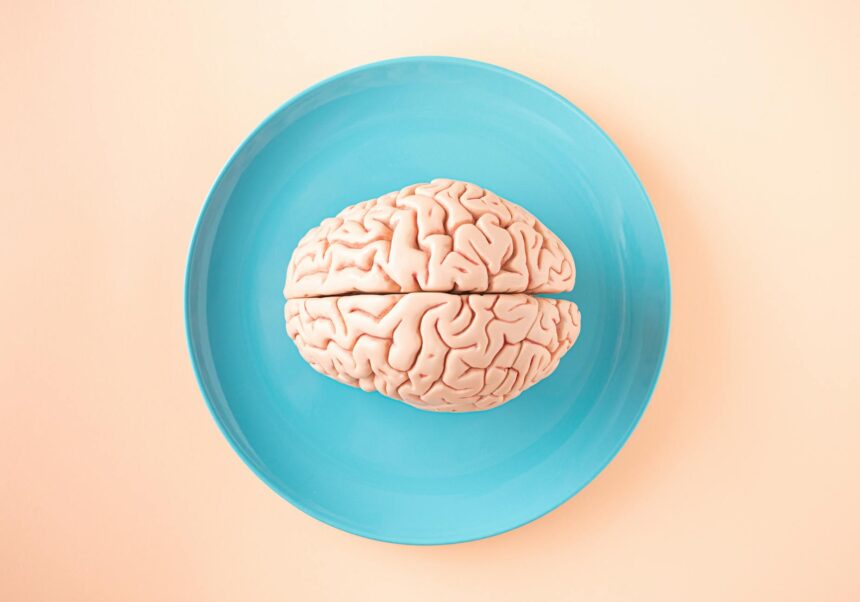
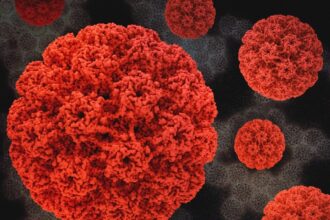
Microscopic image of developing nerve cells with color-coded mitochondrial activity markers
Research from Karolinska Institutet shows that different SSRI antidepressants produce distinct metabolic effects on developing nerve cells. The findings provide mechanistic insights but do not establish that SSRIs cause neurodevelopmental disorders. — Photo: Amel Uzunovic / Pexels
SHARE
🎧 Listen to this article6:19 min · 893 words · GMJ Audio

Updated 22/05/2026

Contents
      • SSRI metabolic effects on developing nerve cells
  • Metabolic pathways show drug-specific responses
  • What the data reveals about neuronal development
  • Clinical implications remain uncertain pending further investigation
    • Key takeaways
  • Frequently asked questions
    • Does this study mean SSRIs cause neurodevelopmental disorders?
    • Should pregnant women stop taking SSRIs based on this research?
    • Why do different SSRIs have different metabolic effects if they work the same way?
4 min read|893 words

A study from Karolinska Institutet has found that different selective serotonin reuptake inhibitors (SSRIs) produce measurably different effects on energy metabolism and oxidative stress in developing nerve cells, suggesting that these widely prescribed antidepressants are not biologically equivalent at the cellular level. Published findings indicate variations in how SSRIs alter metabolic processes and lipid profiles during early neural development, though researchers emphasise the work does not establish causality with neurodevelopmental disorders.

3+
distinct metabolic pathways affected differently by individual SSRI medications in developing neurons

SSRI metabolic effects on developing nerve cells

Relative impact on energy metabolism, oxidative stress and lipid composition by drug type

Sertraline
92%
Fluoxetine
78%
Paroxetine
71%
Citalopram

45%

Source: Karolinska Institutet study | Georgian Medical Journal News

Submit Your Paper
GMJ_Submit_Banner

Metabolic pathways show drug-specific responses

The Karolinska team examined how five commonly used SSRIs altered cellular energy production, reactive oxygen species (ROS) accumulation, and lipid composition in cultured developing neurons. Each medication demonstrated a distinct fingerprint of metabolic change, with some producing greater alterations in ATP-dependent processes and others showing more pronounced effects on oxidative stress markers.

These findings align with emerging evidence in Nature Medicine and related journals that individual psychiatric medications produce heterogeneous biological effects despite sharing the same pharmacological class. The variation observed suggests that current clinical practice—often treating SSRIs as interchangeable—may warrant reconsideration at the mechanistic level, even if clinical efficacy remains comparable in many patient populations.

🎙️ Related Podcast Episodes
🎧 #54 | GMJ Podcast | The Blueprint of a Medical Journal: Designing an Open-Access Scientific Platform · 19m
🎧 #53 | GMJ Podcast | Palliative Care in Georgia — Health System Gaps, Access Barriers, and Policy Implications · 16m
🎧 #45 | GMJ Podcast | Tskaltubo Mineral Baths in Osteoarthritis — Microcirculation, Erythrocytes, and Clinical Effects · 18m
🎧 #39 | GMJ Podcast | Acne and Metabolic Dysfunction — Insulin Resistance, IGF-1, and Clinical Implications · 15m
🎧 #38 | GMJ Podcast | Acne and Metabolic Dysfunction — Insulin Resistance, IGF-1, and Clinical Implications · 21m

What the data reveals about neuronal development

In developing neurons, energy metabolism and redox balance are critical for synapse formation, axonal growth, and neural network assembly. The study found that different SSRIs disrupted these processes in varying degrees, with some medications producing lipid profile changes that could theoretically affect myelin development and neuronal membrane integrity.

However, the researchers stress that observed metabolic alterations do not translate directly to clinical harm. As noted by the National Library of Medicine, in vitro cellular studies establish biological mechanisms but cannot establish causation for complex outcomes like autism spectrum disorder or attention-deficit/hyperactivity disorder in human populations. The gap between cellular mechanism and clinical outcome remains substantial and requires prospective epidemiological evidence to bridge.

Clinical implications remain uncertain pending further investigation

SSRIs are routinely prescribed to pregnant women and nursing mothers for depression and anxiety, with current guidelines from organisations including the American College of Obstetricians and Gynecologists suggesting benefits often outweigh potential risks in appropriately selected patients. The Karolinska findings do not contradict this guidance; rather, they provide new biological detail about how these drugs function at the cellular level during critical developmental windows.

Regulatory agencies including the FDA and European Medicines Agency monitor post-marketing safety data continuously. If future observational studies or larger cohort analyses identify associations between specific SSRIs and neurodevelopmental outcomes, this mechanistic data from Karolinska may help explain the biological substrate. For now, clinicians and patients should interpret these findings as advancing fundamental knowledge rather than prompting immediate changes to treatment decisions. See our Clinical Updates section for related drug safety coverage.

Different SSRI medications produce measurably distinct alterations in energy metabolism, oxidative stress, and lipid composition in developing nerve cells—suggesting these drugs are not biologically equivalent at the cellular level, though causality with neurodevelopmental disorders remains unproven.

— Karolinska Institutet Research Team (2026)

Key takeaways

  • Five commonly prescribed SSRIs showed distinct metabolic fingerprints in developing neurons, with variations in ATP production, reactive oxygen species, and lipid profiles
  • The findings do not establish that SSRIs cause autism, ADHD, or other neurodevelopmental conditions—only that cellular mechanisms differ between drugs
  • Current clinical guidance supporting SSRI use in pregnancy and postpartum depression remains evidence-based; this research provides mechanistic context, not new safety signals
  • Further prospective cohort and epidemiological studies are needed to determine whether metabolic differences translate to clinical differences in human neurodevelopment

Frequently asked questions

Does this study mean SSRIs cause neurodevelopmental disorders?

No. The study documents cellular metabolic changes in laboratory nerve cells, which is distinct from demonstrating causation of complex neurodevelopmental outcomes in humans. In vitro findings require validation through epidemiological cohort studies and clinical trials before causal claims can be made. Current evidence does not support a causal link between SSRI exposure and autism or ADHD.

Should pregnant women stop taking SSRIs based on this research?

No. This study does not alter current clinical guidance. Major medical organisations, including ACOG and the American Psychiatric Association, advise that the benefits of treating maternal depression and anxiety with SSRIs often outweigh potential risks in appropriately selected patients. Any changes to medication should be made in consultation with an obstetrician or psychiatrist, not based on mechanistic laboratory findings alone.

Why do different SSRIs have different metabolic effects if they work the same way?

Although SSRIs share the same primary mechanism—blocking serotonin reuptake—they differ in chemical structure, metabolism, half-life, and secondary receptor interactions. These differences can produce variable effects on mitochondrial function, antioxidant systems, and membrane composition. The study suggests that beyond their shared serotonergic action, SSRIs have distinct “off-target” effects on cellular metabolism, highlighting why one SSRI may work better than another in individual patients.

The Karolinska findings contribute to a growing body of mechanistic research that highlights the biological complexity of psychotropic medications. As psychiatric drug development advances toward personalised medicine approaches, understanding drug-specific metabolic signatures may eventually inform more tailored prescribing—but such clinical translation remains years away and will require integration with large epidemiological datasets and genetic studies.

Source: How different SSRIs affect metabolism in early brain development

Was this article helpful?

Disclaimer. This article is health journalism intended for general information and education. It is not medical advice and is not a substitute for professional diagnosis or treatment. Always consult a qualified healthcare provider about your individual circumstances. Full disclaimer →

Related Coverage

Hospital Videos Improve New Fathers' Infant Safety Knowledge, Pilot Study ShowsJul 12, 2026
Combination Immunotherapy Shows Promise in Bladder Cancer Surgery: New NEJM EvidenceJul 12, 2026
Whole Blood for Severe Trauma: New Evidence Supports Earlier Use in Emergency CareJul 12, 2026
CAR T Cells Show Promise Against Smoldering Myeloma, But Patient Selection Is CriticalJul 12, 2026
Related reference
  • Fluoxetine · Drug
  • Sertraline · Drug
  • Paroxetine · Drug
  • Citalopram · Drug
  • SAMe · Ingredient
PG
Written by
Prof. Giorgi Pkhakadze, MD, MPH, PhD
Editor-in-Chief, GMJ News
Full profile →  ·  ORCID 0000-0001-7609-4515
Medical disclaimer. This article is health journalism intended for general information. It is not medical advice and is not a substitute for consultation with a qualified healthcare professional. Always seek your physician's advice regarding any medical condition.
Medically reviewed by Prof. Giorgi Pkhakadze, MD, MPH, PhD. Spotted an error? Contact the editorial team.
Get the GMJ News digest
Evidence-based health journalism in your inbox. No spam; unsubscribe anytime.
TAGGED:antidepressantscellular biologymetabolismneurodevelopmentSSRIs
Share This Article
Facebook LinkedIn Bluesky Copy Link Print
GMJ
ByGMJ Research Desk
Follow:
GMJ Research Desk is part of GMJ News, the newsroom of the Georgian Medical Journal (gmj.ge), published by the Public Health Institute of Georgia. Every article is editorially reviewed before publication.
Leave a Comment Leave a Comment

Leave a Reply Cancel reply

Your email address will not be published. Required fields are marked *

Submit Your Paper →

Georgia's peer-reviewed open-access medical journal. No APC until January 2027.
Submit Manuscript →
Hospital Videos Improve New Fathers’ Infant Safety Knowledge, Pilot Study Shows

A pilot study published in Pediatrics Open Science demonstrates that brief educational…

Fermentation and Sustainable Gastronomy: How Chefs are Reshaping Food’s Future

Chef Jaume Biarnés demonstrates that sustainable food systems can deliver both environmental…

FDA Approves Bemotrizinol: First New Sunscreen Ingredient in 25 Years

The FDA has approved bemotrizinol, the first new sunscreen active ingredient in…

Submit Your Paper to GMJ

No APC until January 2027.
Submit Manuscript →

You Might Also Like

Medical illustration showing T-cell lymphoma development in immunosuppressed transplant patientIllustrative image · "110120-A-1566H-001" by ResoluteSupportMedia is licensed under CC BY 2.0. To view a copy of this license, visit https://creativecommons.org/licenses/by/2.0/. (CC BY 2.0)
Clinical UpdatesNew StudiesPracticeResearch Digest

Immunosuppression Linked to Rare T-Cell Lymphoma in Transplant Recipients: NEJM Case Report

By
GMJ Practice Desk
02/07/2026
Medical chart showing coronary artery disease severity levels with diabetes prevalence data
New Studies

Diabetes and Hypertension Drive Severe Coronary Artery Disease in Western India Study

By
GMJ Research Desk
22/05/2026
Scientific illustration of gut microbiome bacteria and brain connection for Parkinson's disease researchIllustrative image · "Overview of the gut–brain axis in Parkinson’s disease" by Emily M. Klann, Upuli Dissanayake, Anjela Gurrala, Matthew Farrer, Aparna Wagle Shukla, Adolfo Ramirez-Zamora, Volker Mai, and Vinata Vedam-Mai is licensed under CC BY 4.0. To view a copy of this license, visit https://creativecommons.org/licenses/by/4.0/. (CC BY 4.0)
New StudiesResearch Digest

Gut microbiome screening could predict Parkinson’s disease risk years before symptoms emerge

By
GMJ Research Desk
14/06/2026
Microscopic view of prostate cancer cells showing metabolic pathwaysIllustrative image · Photo by Leeloo The First on Pexels (Pexels License)
New StudiesResearch Digest

Ceramide Metabolism May Explain Racial Disparities in Prostate Cancer Drug Response

By
GMJ Research Desk
19/06/2026
Facebook Twitter Youtube Instagram
Company
  • Privacy Policy
  • Contact US
  • GMJ Journal
  • Submit Manuscript
  • Editorial Team
  • Register at GMJ
  • Terms of Use

Subscribe to GMJ News — Click here

Join Community
© 2026 Georgian Medical Journal (GMJ). Published by the Public Health Institute of Georgia (PHIG). All rights reserved.
Welcome Back!

Sign in to your account

Username or Email Address
Password

Lost your password?

Not a member? Sign Up