By using this site, you agree to the Privacy Policy and Terms of Use.
Accept
GMJ NewsGMJ NewsGMJ News
  • Latest News
    • GMJ Briefs
  • Podcast & Media
    • Podcast Episodes
    • GMJ Audio
    • GMJ Videos
  • Research Digest
    • New Studies
    • Georgian Research
    • Data & Numbers
  • Policy & Systems
    • Health Policy
    • Quality & Safety
    • Migration & Health
    • Global Health
  • Practice
    • Clinical Updates
    • Case Discussions
    • Pharmacy & Prescribing
    • Ingredients A-Z
  • Perspectives
    • Editorial
    • Explainers
    • Voices
    • Letters
  • GMJ Articles
    • Vol. 1 Issue 2 (2026)
    • Vol. 1 Issue 1 (2026)
    • Pre-Launch Articles (2025)
  • Read the Journal →
  • About GMJ News
Notification Show More
Font ResizerAa
GMJ NewsGMJ News
Font ResizerAa
  • Latest News
    • GMJ Briefs
  • Podcast & Media
    • Podcast Episodes
    • GMJ Audio
    • GMJ Videos
  • Research Digest
    • New Studies
    • Georgian Research
    • Data & Numbers
  • Policy & Systems
    • Health Policy
    • Quality & Safety
    • Migration & Health
    • Global Health
  • Practice
    • Clinical Updates
    • Case Discussions
    • Pharmacy & Prescribing
    • Ingredients A-Z
  • Perspectives
    • Editorial
    • Explainers
    • Voices
    • Letters
  • GMJ Articles
    • Vol. 1 Issue 2 (2026)
    • Vol. 1 Issue 1 (2026)
    • Pre-Launch Articles (2025)
  • Read the Journal →
  • About GMJ News
Follow US
GMJ News > Research Digest > New Studies > Brain Health Can Improve Into 90s, Challenging Decline Assumptions
New StudiesResearch Digest

Brain Health Can Improve Into 90s, Challenging Decline Assumptions

GMJ
Last updated: 23/06/2026 18:42
By
GMJ Research Desk
Share
6 Min Read
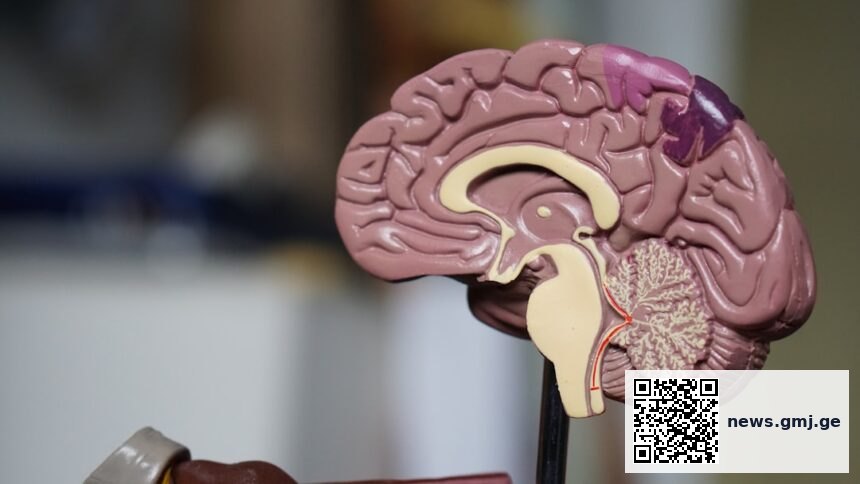
Elderly person engaged in cognitive training exercise showing brain health improvementIllustrative image · Photo by Robina Weermeijer on Unsplash (Unsplash License)
Three-year study of 4,000 adults aged 19-94 shows brain health can improve at any age through brief daily training. Research challenges assumptions about inevitable cognitive decline, documenting gains in thinking clarity and emotional well-being. — Photo by Robina Weermeijer on Unsplash (Unsplash License)
SHARE
4 min read|809 words
✓ Medically reviewed by Prof. Giorgi Pkhakadze, MD, MPH, PhD · ORCID 0000-0001-7609-4515

🟠 Moderate Evidence

Contents
    • Key takeaways
      • Study at a Glance
      • Cognitive Improvement Across Age Decades
  • Neuroplasticity Persists Beyond Traditional Assumptions
  • Multi-Domain Benefits Beyond Cognitive Function
  • Clinical Implications for Healthy Aging
  • Research Methodology and Longitudinal Design
    • What this means
  • Frequently asked questions
    • Can brain health really improve after age 90?
    • How much time do brain training activities require?
    • What types of brain health improvements were observed?

A comprehensive three-year study tracking nearly 4,000 adults has demonstrated that brain health can continue to improve well into the 90s, fundamentally challenging assumptions about inevitable cognitive decline with aging. The research, conducted across participants aged 19 to 94, found that brief daily brain-training activities produced measurable improvements in multiple domains of cognitive function.

Key takeaways

  • Brain health improvements were observed across all age groups, including participants in their 90s
  • Daily training sessions lasting just a few minutes produced measurable cognitive gains
  • Benefits extended beyond thinking clarity to include emotional well-being and sense of purpose

Study at a Glance

Source ScienceDaily Report
Study type Longitudinal observational
Sample size N = 4,000
Population Adults aged 19-94 years
Duration 3 years
4,000
participants across 75 years of age span showed brain health improvements

Cognitive Improvement Across Age Decades

Brain health gains observed in all age groups during 3-year study

19-30
youngest cohort
45-65
middle-aged
75-94
oldest participants

Source: ScienceDaily, 2026 | Georgian Medical Journal News

Submit Your Paper
GMJ_Submit_Banner

Neuroplasticity Persists Beyond Traditional Assumptions

The findings challenge long-held beliefs about brain aging and cognitive decline. According to the National Institute on Aging, while some cognitive changes are normal with aging, the extent of decline has often been overestimated. This study provides evidence that targeted interventions can promote continued brain health improvement throughout the lifespan.

🎙️ Related Podcast Episodes
🎧 #17 | WHO: Global Population Requiring Trachoma Interventions Falls Below 100 Million · 16m
🎧 #53 | GMJ Podcast | Palliative Care in Georgia — Health System Gaps, Access Barriers, and Policy Implications · 16m
🎧 #47 | GMJ Podcast | Tskaltubo and the Future of Spa-Based Medicine — Radon Therapy, Rehabilitation, and Preventive Health · 19m
🎧 #45 | GMJ Podcast | Tskaltubo Mineral Baths in Osteoarthritis — Microcirculation, Erythrocytes, and Clinical Effects · 18m
🎧 #44 | GMJ Podcast | Infant Formula Contamination — Global Food Safety Failure and the Cereulide Outbreak · 21m

The research tracked participants through structured brain-training protocols that required minimal time investment. These brief daily sessions, lasting only a few minutes, were sufficient to produce statistically significant improvements across multiple cognitive domains.

Multi-Domain Benefits Beyond Cognitive Function

The study’s scope extended beyond traditional measures of cognitive performance. Researchers documented improvements in emotional well-being and psychological health, suggesting that brain training may offer holistic benefits for mental health across the aging spectrum.

Participants showed enhanced sense of purpose alongside improved thinking clarity. This finding aligns with emerging research on the interconnection between cognitive health and broader aspects of psychological well-being, according to the World Health Organization’s guidance on mental health in older adults.

Clinical Implications for Healthy Aging

The research has significant implications for how healthcare providers approach cognitive health in aging populations. The Centers for Disease Control and Prevention emphasizes that maintaining cognitive health is a key component of successful aging, and these findings suggest that improvement remains possible even in advanced age.

For clinicians working with older adults, the study provides evidence-based support for recommending structured cognitive training programs. The minimal time requirement—just a few minutes daily—makes such interventions feasible for widespread implementation in clinical and community settings. Related research on cognitive interventions continues to expand our understanding of brain health optimization.

Research Methodology and Longitudinal Design

The three-year longitudinal design strengthens the study’s conclusions by tracking changes over an extended period rather than relying on cross-sectional snapshots. This approach allows researchers to distinguish between genuine improvement and temporary performance fluctuations.

The diverse age range, spanning 75 years from young adults to nonagenarians, provides robust evidence that neuroplasticity—the brain’s ability to form new neural connections—remains active throughout the human lifespan. This contradicts earlier assumptions that significant cognitive improvement becomes impossible after certain age thresholds.

Brain health improvements were observed across all age groups, with participants in their 90s showing measurable gains in thinking clarity, emotional well-being, and sense of purpose through brief daily training activities.

— Research findings, ScienceDaily (2026)

What this means

For patients: Cognitive health can be actively improved at any age through structured daily activities, offering hope for maintaining and enhancing mental sharpness
For clinicians: Evidence supports recommending brief cognitive training programs to patients across all age groups, particularly older adults concerned about cognitive decline
For policymakers: Investment in accessible brain training programs could reduce healthcare costs associated with cognitive decline while improving quality of life for aging populations

Frequently asked questions

Can brain health really improve after age 90?

Yes, this study provides evidence that even participants in their 90s showed measurable improvements in cognitive function, emotional well-being, and sense of purpose. The research challenges assumptions about inevitable cognitive decline with advanced age.

How much time do brain training activities require?

According to the study, participants spent just a few minutes per day on brain-training activities. This minimal time investment proved sufficient to produce measurable cognitive improvements across the three-year study period.

What types of brain health improvements were observed?

The research documented gains in multiple domains including thinking clarity, emotional well-being, and sense of purpose. These findings suggest that cognitive training may offer broader psychological benefits beyond traditional measures of mental performance.

These findings represent a significant shift in understanding brain aging and cognitive potential. As research continues to reveal the extent of lifelong neuroplasticity, the focus may increasingly turn toward optimizing brain health interventions across all age groups. The study’s demonstration that brief, accessible interventions can produce meaningful improvements offers a practical pathway for individuals seeking to maintain and enhance cognitive function throughout their lives.

Source: Your brain can keep improving into your 90s, study finds

Was this article helpful?

Disclaimer. This article is health journalism intended for general information and education. It is not medical advice and is not a substitute for professional diagnosis or treatment. Always consult a qualified healthcare provider about your individual circumstances. Full disclaimer →

Related Coverage

Endocrine-disrupting chemicals detected in breast milk and infant urine through 6 monthsJun 29, 2026
New Biomarkers Could Predict Melanoma Outcomes in High-Risk PatientsJun 29, 2026
Third Electrode Pair Improves Deep Brain Stimulation Precision in Mouse StudyJun 29, 2026
Blood Cancer Gene Mutations Trigger Alzheimer's Disease Through Brain InflammationJun 28, 2026
PG
Written by
Prof. Giorgi Pkhakadze, MD, MPH, PhD
Editor-in-Chief, GMJ News
Full profile →  ·  ORCID 0000-0001-7609-4515
Medical disclaimer. This article is health journalism intended for general information. It is not medical advice and is not a substitute for consultation with a qualified healthcare professional. Always seek your physician's advice regarding any medical condition.
Medically reviewed by Prof. Giorgi Pkhakadze, MD, MPH, PhD. Spotted an error? Contact the editorial team.
Get the GMJ News digest
Evidence-based health journalism in your inbox. No spam; unsubscribe anytime.
TAGGED:agingbrain healthcognitive traininglongevityneuroplasticity
Share This Article
Facebook LinkedIn Bluesky Copy Link Print
GMJ
ByGMJ Research Desk
Follow:
GMJ Research Desk is part of GMJ News, the newsroom of the Georgian Medical Journal (gmj.ge), published by the Public Health Institute of Georgia. Every article is editorially reviewed before publication.
Leave a Comment Leave a Comment

Leave a Reply Cancel reply

Your email address will not be published. Required fields are marked *

Submit Your Paper →

Georgia's peer-reviewed open-access medical journal. No APC until January 2027.
Submit Manuscript →
Grandparents Emerge as Key Mental Health Support as Youth Crisis Deepens

New analysis reveals grandparents play crucial role in youth mental health support…

Endocrine-disrupting chemicals detected in breast milk and infant urine through 6 months

New research detects endocrine-disrupting chemicals in breast milk and infant urine from…

New Biomarkers Could Predict Melanoma Outcomes in High-Risk Patients

Swedish research identifies tumor tissue markers that could predict melanoma outcomes. Study…

Submit Your Paper to GMJ

No APC until January 2027.
Submit Manuscript →

You Might Also Like

Older adult using tablet computer for health intervention program
New Studies

Online Alcohol Intervention Reduces Drinking in Older Adults by 30% in Australian Trial

By
GMJ Research Desk
21/05/2026
Infographic showing heat-related emergency visits by age group in the United States
New Studies

How extreme heat stresses the human body: what the science shows

By
GMJ Research Desk
21/05/2026

Polycystic Ovary Syndrome: Why 70% of Cases Go Undiagnosed

By
GMJ Research Desk
19/05/2026
Cyclist consuming sports drink during endurance exercise training session
New StudiesResearch Digest

Carbohydrate Intake During Exercise Shows Modest Muscle Glycogen Sparing Effects

By
GMJ Research Desk
23/05/2026
Facebook Twitter Youtube Instagram
Company
  • Privacy Policy
  • Contact US
  • GMJ Journal
  • Submit Manuscript
  • Editorial Team
  • Register at GMJ
  • Terms of Use

Subscribe to GMJ News — Click here

Join Community
© 2026 Georgian Medical Journal (GMJ). Published by the Public Health Institute of Georgia (PHIG). All rights reserved.
Welcome Back!

Sign in to your account

Username or Email Address
Password

Lost your password?

Not a member? Sign Up