


Tag: longevity

Walking 4,000 Steps Daily Reverses Brain Ageing, Study Finds
Walking 4,000 steps daily increases brain volume and reverses age-related cognitive decline, with potential lifespan gains of up to 11…

Physical Peak Performance Varies by Age and Capacity Type, Swedish Longitudinal Study Finds
Different physical capacities peak at different ages: leg power in late teens to late twenties, aerobic capacity in late twenties…

Moving in Multiple Ways, Not Just More, May Add Years to Life
Adults engaging in three or more distinct types of physical activity have 20–30% lower all-cause mortality risk over a decade…

Low-Protein Mediterranean Diet Shows Promise for Longevity and Fat Loss in Mice and Human Studies
Research demonstrates that a modified Mediterranean-style diet with low protein and controlled methionine restriction improved lifespan, reduced body fat, and…
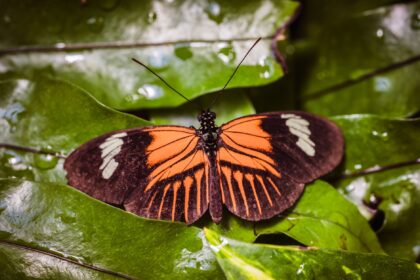
Heliconius butterflies’ extended lifespans reveal potential pathways to understanding ageing
Scientists have identified that Heliconius butterflies live several times longer than related species and show minimal physical decline during ageing.…

Cardiorespiratory Fitness: A Stronger Predictor of Longevity Than Blood Pressure or Cholesterol
Maximal oxygen uptake (VO₂max) emerges as a stronger predictor of long-term health and mortality than blood pressure or cholesterol, with…
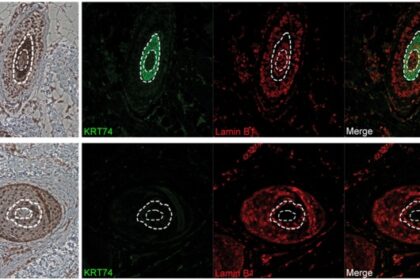
Rare genetic variants in long-lived families linked to healthier aging
Researchers studying exceptionally long-lived families have identified rare genetic variants linked to sustained health in advanced age, with one mutation…

Organs Age Independently: Stanford Study Shows Brain and Immune System Drive Lifespan Risk
Stanford researchers measured plasma proteins in 44,498 people and built separate aging clocks for 11 organs, finding that youthful brain…