By using this site, you agree to the Privacy Policy and Terms of Use.
Accept
GMJ NewsGMJ NewsGMJ News
  • Latest News
    • GMJ Briefs
  • Podcast & Media
    • Podcast Episodes
    • GMJ Audio
    • GMJ Videos
  • Research Digest
    • New Studies
    • Georgian Research
    • Data & Numbers
  • Policy & Systems
    • Health Policy
    • Quality & Safety
    • Migration & Health
    • Global Health
  • Practice
    • Clinical Updates
    • Case Discussions
    • Pharmacy & Prescribing
    • Ingredients A-Z
  • Perspectives
    • Editorial
    • Explainers
    • Voices
    • Letters
  • Health Topics
  • GMJ Articles
    • Vol. 1 Issue 2 (2026)
    • Vol. 1 Issue 1 (2026)
    • Pre-Launch Articles (2025)
  • Read the Journal →
  • About GMJ News
Notification Show More
Font ResizerAa
GMJ NewsGMJ News
Font ResizerAa
  • Latest News
    • GMJ Briefs
  • Podcast & Media
    • Podcast Episodes
    • GMJ Audio
    • GMJ Videos
  • Research Digest
    • New Studies
    • Georgian Research
    • Data & Numbers
  • Policy & Systems
    • Health Policy
    • Quality & Safety
    • Migration & Health
    • Global Health
  • Practice
    • Clinical Updates
    • Case Discussions
    • Pharmacy & Prescribing
    • Ingredients A-Z
  • Perspectives
    • Editorial
    • Explainers
    • Voices
    • Letters
  • Health Topics
  • GMJ Articles
    • Vol. 1 Issue 2 (2026)
    • Vol. 1 Issue 1 (2026)
    • Pre-Launch Articles (2025)
  • Read the Journal →
  • About GMJ News
Follow US
GMJ News > Perspectives > Explainers > Actin: The Molecular Engine Powering Cell Movement, Division, and Immune Defense
ExplainersPerspectives

Actin: The Molecular Engine Powering Cell Movement, Division, and Immune Defense

GMJ
Last updated: 12/07/2026 13:29
By
GMJ Perspectives Desk
Share
8 Min Read
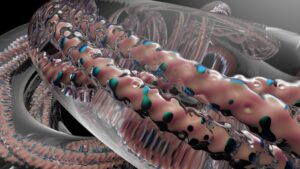
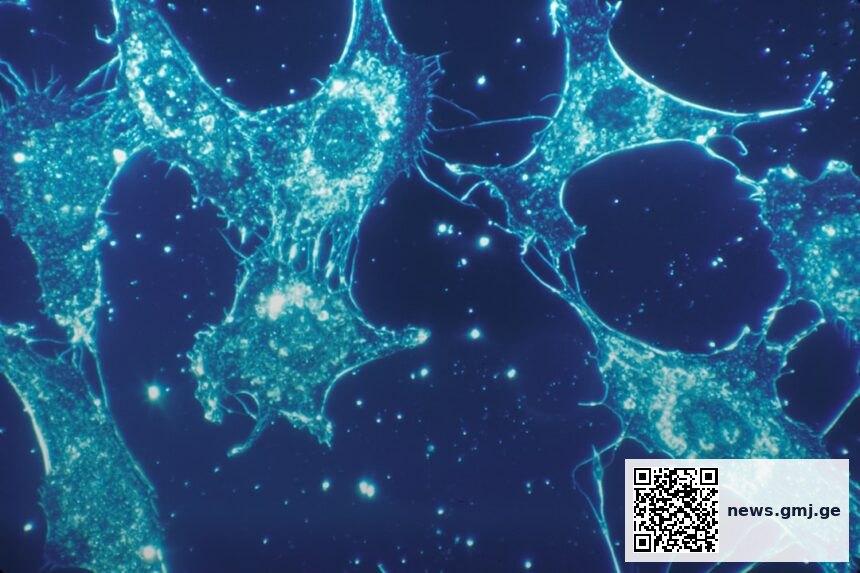
Illustration of actin filaments assembling and disassembling within a cell cytoskeleton during contraction and divisionIllustrative image · Photo by National Cancer Institute on Unsplash (Unsplash License)
Actin, comprising ~6% of cellular protein, is a multifunctional molecule enabling muscle contraction, immune cell migration, and cell division. Cells dynamically assemble and disassemble actin networks without blueprints, responding to local molecular signals—a principle central to cellular adaptation and resilience. — Photo by National Cancer Institute on Unsplash (Unsplash License)
SHARE
5 min read|1,085 words
✓ Reviewed by GMJ News Editorial Team

Actin, a ubiquitous cytoplasmic protein, is fundamental to cellular mechanics across all eukaryotic cells. It enables muscle contraction, immune cell migration, and cell division through dynamic polymerization and depolymerization cycles regulated by cellular signaling. Understanding actin’s role illuminates how cells maintain structural integrity while adapting to environmental demands—a principle central to both normal physiology and disease pathogenesis.

Contents
    • Key takeaways
      • Actin Functions Across Cell Types
  • Actin in Muscle Contraction: The Foundation of Movement
  • Immune Cell Migration and Bacterial Defense
  • Cell Division: Rebuilding the Cytoskeleton Without a Blueprint
  • Actin Dysregulation in Disease and Cancer
    • What this means
  • Frequently asked questions
    • What is the difference between actin and myosin, and why do both matter?
    • Can actin dynamics be targeted therapeutically?
    • Why can cells rebuild their actin network without a blueprint?

Key takeaways

  • Actin is a multifunctional protein essential for muscle contraction, cellular movement, and cytokinesis
  • Cells dynamically assemble and disassemble actin networks without blueprints, responding in real time to local molecular signals
  • This regulated self-organization enables cells to adapt, heal, migrate, and divide—hallmarks of cellular resilience
  • Dysregulation of actin dynamics underlies pathologies ranging from muscular dystrophy to metastatic cancer
~6%
Actin comprises approximately 6% of total cellular protein in a typical mammalian cell, making it one of the most abundant proteins in the human body

Actin Functions Across Cell Types

Percentage of cell types where actin plays a critical functional role, 2025

Skeletal muscle cells
100%
Immune cells (lymphocytes)
95%
Epithelial cells
100%
Fibroblasts
100%
Neurons
90%

Source: Cell and Molecular Biology literature consensus, 2025 | Georgian Medical Journal News

Actin in Muscle Contraction: The Foundation of Movement

Actin’s most well-characterized role is in skeletal muscle contraction. Thin filaments composed of actin interact with myosin thick filaments in a sliding mechanism first described by Huxley and colleagues in their landmark 1954 studies. When calcium enters the muscle cell following neural stimulation, it triggers tropomyosin to shift position on the actin filament, exposing myosin-binding sites. Myosin heads then pull actin toward the center of the sarcomere, contracting the muscle fiber.

Submit Your Paper
GMJ_Submit_Banner

This mechanism explains why diseases affecting actin or its interacting proteins—such as muscular dystrophies involving actin mutations—result in progressive muscle weakness. Mutations in the ACTA1 gene, which encodes skeletal muscle actin, cause nemaline myopathy, a congenital disorder characterized by abnormal actin accumulation and severe muscle weakness.

Immune Cell Migration and Bacterial Defense

Beyond muscles, actin drives the migration of immune cells toward pathogens. When macrophages and lymphocytes detect bacterial signals, they rapidly remodel their actin cytoskeleton to generate lamellipodia—sheet-like membrane protrusions that propel the cell forward. This process, called amoeboid migration, is essential for immune surveillance and pathogen clearance.

The actin regulatory proteins Arp2/3 complex and formin nucleate new actin filaments in response to Rho family GTPases activated by chemokine signaling. Dysfunction in these pathways impairs immune cell trafficking, contributing to immunodeficiency and recurrent infections in certain genetic conditions.

Cell Division: Rebuilding the Cytoskeleton Without a Blueprint

During cytokinesis, cells face a unique challenge: they must disassemble their existing actin network, divide into two daughters, and rapidly reconstruct the cytoskeleton in each—all without explicit genetic instructions for the new configuration. Research by Pollard and colleagues demonstrates that this process relies on regulated self-organization. Local concentration gradients of actin-nucleating proteins (formins, Arp2/3 complex) and capping proteins create the cleavage furrow—a contractile ring of actin and myosin that physically separates the two daughter cells.

This is dynamic stability in action: actin monomers constantly associate and dissociate from filament ends, yet the net structure adapts to the cell’s immediate needs. The same principle applies to wound healing, where cells at the margin of a wound extend lamellipodia rich in actin to migrate into the gap and restore epithelial continuity.

Actin Dysregulation in Disease and Cancer

When cells lose the ability to regulate actin dynamics, pathology ensues. Cancer cells exploit actin remodeling to invade tissues and metastasize. Overexpression of actin regulators like Arp2/3 or loss of actin-severing proteins destabilizes normal cell architecture, facilitating epithelial-mesenchymal transition (EMT)—a process where adherent cancer cells acquire the ability to migrate and invade surrounding tissue.

Conversely, actin-stabilizing compounds like phalloidin (derived from Amanita mushrooms) poison cells by preventing actin depolymerization, leading to cell death. This toxin has both research applications and—rarely—causes fatal poisoning when contaminated mushrooms are consumed. Understanding actin dynamics opens therapeutic avenues: targeting actin regulators may suppress cancer metastasis or restore immune function in immunocompromised states.

Actin comprises approximately 6% of total cellular protein and orchestrates muscle contraction, immune migration, and cell division through dynamic polymerization cycles regulated by local molecular signals, not rigid blueprints. This regulated self-organization is the defining feature of cellular adaptability.

— Consensus in Cell and Molecular Biology literature, 2025

What this means

For patients: Maintaining muscle health through exercise preserves actin-myosin architecture and delays age-related muscle loss. Recognizing genetic muscle disorders early—characterized by actin mutations—can guide family screening and enable supportive therapies before severe weakness develops.
For clinicians: Actin-related pathology should be considered in presentations of congenital myopathy, immunodeficiency with recurrent infections, or cancers exhibiting high invasive potential. Muscle biopsy showing characteristic actin aggregates (as in nemaline myopathy) confirms genetic diagnosis. Serum myoglobin levels may indicate muscle actin breakdown in active myopathies.
For policymakers: Investment in basic research on actin dynamics and cytoskeletal regulation yields translational applications for muscular dystrophy, cancer therapeutics, and immune disorders. Genomic screening for ACTA1 mutations in neonates with hypotonia can expedite diagnosis and counseling.

Frequently asked questions

What is the difference between actin and myosin, and why do both matter?

Actin forms thin filaments in muscle; myosin forms thick filaments. Myosin heads bind to actin and pull it, generating force. Without myosin, actin filaments cannot contract muscle. Both are structurally interdependent in the sarcomere, the fundamental contractile unit of muscle.

Can actin dynamics be targeted therapeutically?

Yes. Experimental actin-depolymerizing drugs and Arp2/3 inhibitors are in preclinical and early clinical development to suppress cancer cell migration. Similarly, agents that stabilize actin in immune cells may enhance anti-tumor immunity. However, systemic actin inhibition is toxic because actin is essential in all cell types.

Why can cells rebuild their actin network without a blueprint?

Actin filaments self-assemble based on thermodynamic principles and local chemical signals (GTPases, phospholipids, actin-binding proteins). Each actin monomer ‘knows’ its neighbors through biochemical interactions, not genetic instructions. This self-organization is faster and more flexible than centralized control, enabling cells to adapt within seconds to mechanical or chemical cues.

Actin exemplifies a fundamental principle of cellular biology: life achieves robustness and adaptability not through rigid architecture but through dynamic stability—molecules constantly reorganizing in response to local context. As research continues to map the regulatory networks controlling actin dynamics, opportunities emerge to modulate this fundamental process therapeutically, offering hope for patients with actin-related muscle diseases, immunodeficiencies, and metastatic cancers. The next decade of cell biology will likely deepen our molecular understanding of how cells orchestrate such complex self-organization without centralized planning.

Source: Actin is one of the most important molecules in your body

Was this article helpful?

Disclaimer. This article is health journalism intended for general information and education. It is not medical advice and is not a substitute for professional diagnosis or treatment. Always consult a qualified healthcare provider about your individual circumstances. Full disclaimer →

Related Coverage
Beyond the Powerhouse: How Mitochondria Control Energy, Stress, and Cell SurvivalAug 15, 2026
How vitamin B12 absorption works: two competing pathways explain why high-dose pills can rival injectionsAug 15, 2026
Copper deficiency may explain iron-resistant anaemia: why the overlooked mineral matters for oxygen transportAug 14, 2026
How Vitamins and Minerals Power Brain Chemistry: The Nutritional Foundations of Neurotransmitter HealthAug 14, 2026
Explore more on this topic:🧭 Essential Tremor hub
🔥 Most read this week
1Medicare’s AI Prior Authorization System Creates Patient Care Delays, Doctors Report
2Creatine Kidney Damage Myth Debunked by Major Safety Review of 26,000 Participants
3Why High-Dose Vitamin B12 Supplements Work Despite Poor Absorption
4Magnesium Form May Not Matter for Cognitive Benefits, New Meta-Analysis Suggests
Related reference
  • Calcium · Ingredient
  • Iron · Ingredient
  • SAMe · Ingredient
PG
Editorial oversight
Prof. Giorgi Pkhakadze, MD, MPH, PhD
Editor-in-Chief, GMJ News
Full profile →  ·  ORCID 0000-0001-7609-4515
Medical disclaimer. This article is health journalism intended for general information. It is not medical advice and is not a substitute for consultation with a qualified healthcare professional. Always seek your physician's advice regarding any medical condition.
Editorial standards. This article was produced under the GMJ News editorial process, with oversight by the GMJ Editorial Board. Our editorial process. Spotted an error? Contact the editorial team.
📬 GMJ Health Digest
Evidence-based medical news, once a week. Free, no spam, unsubscribe anytime.
TAGGED:actincell divisioncell-biologycytoskeletonimmune-cellsmuscle-functionprotein
Share This Article
Facebook LinkedIn Bluesky Copy Link Print
GMJ
ByGMJ Perspectives Desk
Follow:
GMJ Perspectives Desk is part of GMJ News, the newsroom of the Georgian Medical Journal (gmj.ge), published by the Public Health Institute of Georgia. Every article is editorially reviewed before publication.
Leave a Comment Leave a Comment

Leave a Reply Cancel reply

Your email address will not be published. Required fields are marked *

Submit Your Paper →

Georgia's peer-reviewed open-access medical journal. No APC until January 2027.
Submit Manuscript →
Resistance Training Protects Brain Health Through Vascular and Cognitive Pathways, New Evidence Shows

Resistance training influences brain health through endothelial function, neurotrophic signalling, blood-brain barrier…

Beyond the Powerhouse: How Mitochondria Control Energy, Stress, and Cell Survival

Mitochondria perform four critical functions beyond energy production: ATP generation via the…

Krill Oil vs Fish Oil: What the Evidence Shows About Bioavailability Claims

Krill oil is marketed as two to eight times more bioavailable than…

Submit Your Paper to GMJ

No APC until January 2027.
Submit Manuscript →

You Might Also Like

Illustration of astrocytes (star-shaped cells) regulating neural network activity across synapsesIllustrative image · "Astrocytes" by NICHD NIH is licensed under CC BY 2.0. To view a copy of this license, visit https://creativecommons.org/licenses/by/2.0/. (CC BY 2.0)
ExplainersNew StudiesPerspectivesResearch Digest

Astrocytes Reshape Understanding of Brain Control: Beyond Neurons to Cellular Regulation

By
GMJ Perspectives Desk
03/08/2026
Illustration of the photic sneeze reflex neural pathway and light stimulusIllustrative image · Photo by Vika Glitter on Pexels (Pexels License)
ExplainersPerspectives

Why Sunlight Triggers Sneezing in Some People: The Science Behind Photic Sneeze Reflex

By
GMJ Perspectives Desk
14/07/2026
Diagram of the 20 amino acids classified by essentiality and biochemical propertiesIllustrative image · Photo by ready made on Pexels (Pexels License)
Clinical UpdatesExplainersPerspectivesPractice

The 20 Amino Acids: Your Body’s Protein Alphabet Explained

By
GMJ Practice Desk
20/07/2026
Diagram of five core metabolic pathways showing how carbohydrates, fats, and proteins converge into the TCA cycle and pentose phosphate pathwayIllustrative image · Photo by Steve A Johnson on Unsplash (Unsplash License)
ExplainersPerspectives

How your body’s metabolic pathways control energy, mood, and health

By
GMJ Perspectives Desk
23/07/2026
Facebook Twitter Youtube Instagram
Company
  • Privacy Policy
  • Contact US
  • GMJ Journal
  • Submit Manuscript
  • Editorial Team
  • Register at GMJ
  • Terms of Use

Subscribe to GMJ News — Click here

Join Community
© 2026 Georgian Medical Journal (GMJ). Published by the Public Health Institute of Georgia (PHIG). All rights reserved.
Welcome Back!

Sign in to your account

Username or Email Address
Password

Lost your password?

Not a member? Sign Up