



Prof. Giorgi Pkhakadze, MD, MPH, PhD
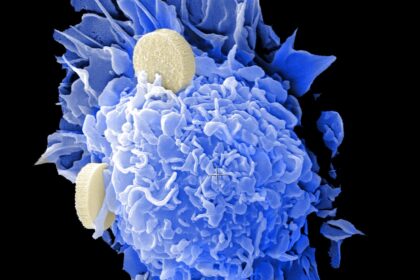
What makes prostate cancer aggressive? Biology, genetics, and clinical grading explained
Prostate cancer aggressiveness is determined by histological grade (Gleason score), genetic mutations (PTEN loss, TP53, BRCA2), and clinical progression patterns.…

UK childhood vaccination coverage holds steady at high levels, latest quarterly data shows
The UK's Cover of Vaccination Evaluated Rapidly (COVER) programme reports sustained high childhood immunisation coverage across all four nations in…

EMA Launches Email Notifications for Clinical Trial Information System
The European Medicines Agency has rolled out email notification subscriptions in CTIS, enabling clinical trial sponsors and researchers to receive…

Independent Inquiry Finds Systemic Racism in Maternity Care Undermines Patient Safety
An independent inquiry has documented systemic racism and discrimination affecting patient safety in maternity care. Government officials have committed to…

Trump’s GLP-1 Drug Deal with Eli Lilly and Novo Nordisk Falls Short of Cost Control Goals
The Trump administration's voluntary pricing agreement with Eli Lilly and Novo Nordisk to control GLP-1 drug costs contains structural loopholes…
Australia Reports First High Pathogenicity H5N1 Case in Wild Bird
Australia has confirmed its first detection of High Pathogenicity Avian Influenza H5N1 in a wild bird, according to the World…

Florida’s EKG Mandate for High School Athletes Faces Medical Scrutiny
Florida enacted the first state-wide EKG mandate for all high school athletes, but medical experts argue that universal screening generates…

USC Scientists Develop Scalable Method to Generate Cancer-Fighting Immune Cells from Stem Cell Progenitors
Researchers at the University of Southern California have developed a scalable stem-cell-inspired technique that produces large quantities of immune-cell progenitors…