By using this site, you agree to the Privacy Policy and Terms of Use.
Accept
GMJ NewsGMJ NewsGMJ News
  • Latest News
    • GMJ Briefs
  • Podcast & Media
    • Podcast Episodes
    • GMJ Audio
    • GMJ Videos
  • Research Digest
    • New Studies
    • Georgian Research
    • Data & Numbers
  • Policy & Systems
    • Health Policy
    • Quality & Safety
    • Migration & Health
    • Global Health
  • Practice
    • Clinical Updates
    • Case Discussions
    • Pharmacy & Prescribing
    • Ingredients A-Z
  • Perspectives
    • Editorial
    • Explainers
    • Voices
    • Letters
  • Health Topics
  • GMJ Articles
    • Vol. 1 Issue 2 (2026)
    • Vol. 1 Issue 1 (2026)
    • Pre-Launch Articles (2025)
  • Read the Journal →
  • About GMJ News
Notification Show More
Font ResizerAa
GMJ NewsGMJ News
Font ResizerAa
  • Latest News
    • GMJ Briefs
  • Podcast & Media
    • Podcast Episodes
    • GMJ Audio
    • GMJ Videos
  • Research Digest
    • New Studies
    • Georgian Research
    • Data & Numbers
  • Policy & Systems
    • Health Policy
    • Quality & Safety
    • Migration & Health
    • Global Health
  • Practice
    • Clinical Updates
    • Case Discussions
    • Pharmacy & Prescribing
    • Ingredients A-Z
  • Perspectives
    • Editorial
    • Explainers
    • Voices
    • Letters
  • Health Topics
  • GMJ Articles
    • Vol. 1 Issue 2 (2026)
    • Vol. 1 Issue 1 (2026)
    • Pre-Launch Articles (2025)
  • Read the Journal →
  • About GMJ News
Follow US
GMJ News > Perspectives > Explainers > Heart’s First Beat Emerges From Collective Cellular Synchronization, Not Single Pacemaker
ExplainersNew StudiesPerspectivesResearch Digest

Heart’s First Beat Emerges From Collective Cellular Synchronization, Not Single Pacemaker

GMJ
Last updated: 12/07/2026 13:29
By
GMJ Perspectives Desk
Share
8 Min Read
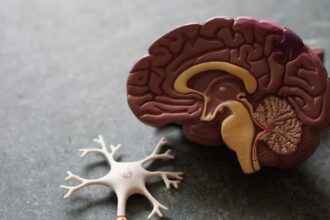
Illustration of cardiac cells synchronizing to produce first heartbeat through collective electrical activityIllustrative image · Photo by cottonbro studio on Pexels (Pexels License)
A new Nature study reveals that the heart's first beat emerges from collective synchronization of many cells crossing an electrical threshold, not from activation of a pre-existing pacemaker. This phase transition represents a fundamental example of emergence in living tissue. — Photo by cottonbro studio on Pexels (Pexels License)
SHARE
5 min read|1,013 words
✓ Reviewed by GMJ News Editorial Team

🟢 Strong Evidence

Contents
    • Key takeaways
      • Study at a Glance
      • From Silence to Synchronized Rhythm: The Emergence of the First Heartbeat
  • A Rethinking of Cardiac Development
  • The Role of Calcium Signaling in Early Cardiac Rhythm
  • Emergence as a Fundamental Principle of Living Systems
    • What this means
  • Frequently asked questions
    • Does the developing heart have a pacemaker before the first heartbeat?
    • Why are the first heartbeats irregular?
    • Could this discovery help treat heart rhythm problems?

A new study published in Nature reveals that the developing heart’s first beat does not begin with activation of a pre-existing pacemaker, but rather emerges as a sudden collective event when many heart cells cross an electrical threshold simultaneously. Researchers led by a team studying embryonic cardiac development captured this transition in real time, demonstrating that the initiation of heartbeat represents a system-level phase transition—a phenomenon known as emergence in biological systems.

Key takeaways

  • The first heartbeat arises not from a single “starter switch” but from coordinated activation of many heart cells reaching a critical electrical threshold
  • Early heartbeats are initially irregular but rapidly spread across the heart tissue via calcium-based electrical signals
  • This process exemplifies emergence in living tissue, where collective behavior produces organized function from individual cellular activity

Study at a Glance

Source Nature
Study type Experimental embryonic observation
Focus Initiation mechanism of first heartbeat in developing embryos
Key finding Collective cellular synchronization rather than single pacemaker activation
Publication year 2023
Critical threshold
Many heart cells must reach simultaneous electrical activity for coordinated heartbeat to initiate, representing a phase transition from silence to synchronized rhythm

From Silence to Synchronized Rhythm: The Emergence of the First Heartbeat

Transition from individual cellular electrical activity to coordinated heart contraction

Phase 1
Individual cells become electrically active
Phase 2
Cells approach critical threshold
Phase 3
Sudden collective synchronization (emergence)

Source: Jia et al., Nature, 2023 | Georgian Medical Journal News

Submit Your Paper
GMJ_Submit_Banner

A Rethinking of Cardiac Development

The conventional model of cardiac development held that a pre-formed pacemaker region would “turn on” to initiate the first heartbeat, similar to flipping a switch. However, the research published in Nature by Jia and colleagues demonstrates a fundamentally different mechanism. Instead of a single initiating structure, the heart’s first beat emerges when sufficient numbers of cardiomyocytes—the contractile cells of the heart—gradually become electrically excitable and approach a critical activation threshold simultaneously.

This transition represents what physicists and systems biologists call a phase transition: a sudden shift from one state to another when a critical parameter is crossed. Related articles on new studies in cardiovascular development highlight how such findings reshape our understanding of organ formation. The calcium-based electrical signals that propagate through the developing tissue after synchronization drives the first coordinated contractions, though these early beats remain irregular compared to the rhythm established in mature hearts.

The Role of Calcium Signaling in Early Cardiac Rhythm

Once sufficient cardiomyocytes synchronize, calcium ions orchestrate the subsequent electrical and mechanical activity. According to the Nature study, these calcium-based signals spread rapidly across the developing heart tissue, establishing the patterns that drive the first contractions. The initial heartbeats are notably irregular, lacking the steady rhythm characteristic of fetal or postnatal hearts, yet they already coordinate across the entire tissue rather than occurring in isolated regions.

This observation suggests that the mechanisms responsible for spatial coordination of electrical activity are established very early in development, before the heart has finished forming. The discovery has implications for understanding how developmental defects in cardiac pacemaking might arise, potentially offering new insights into congenital arrhythmias and other cardiac anomalies. For more on cardiac electrophysiology, see our coverage of clinical updates on arrhythmia management.

Emergence as a Fundamental Principle of Living Systems

The initiation of the heartbeat exemplifies emergence—the phenomenon whereby complex, organized behavior arises from many individual components acting according to simple rules, without centralized control. In the developing heart, no “master switch” exists; rather, the collective behavior of thousands of cells spontaneously organizes into coordinated activity. This principle applies across biology, from neural network formation to immune responses, and understanding it at the level of a single organ offers a window into how life generates complexity from components.

The Nature publication provides experimental evidence for theories long proposed by systems biologists and physicists studying living matter. By capturing the precise moment of transition from inactivity to synchronization, researchers have demonstrated that the first heartbeat is not a discrete “event” controlled by a specific anatomical structure, but rather a system-level reorganization that characterizes living tissue’s capacity for self-organization.

The heartbeat initiates as a sudden collective event when many cardiomyocytes reach critical electrical threshold simultaneously, driven by calcium-based signals that produce irregular but coordinated contractions across the entire developing heart tissue.

— Jia et al., Nature, 2023

What this means

For patients: Better understanding of how the heart develops may lead to earlier detection and prevention of congenital cardiac defects, particularly those affecting rhythm and coordination.
For clinicians: Insight into the fundamental mechanisms of cardiac pacemaking could inform treatment strategies for arrhythmias and guide development of biological pacemakers or regenerative approaches to cardiac repair.
For policymakers: Supporting research into developmental cardiology may yield long-term benefits for maternal and fetal health programs, and could inform prenatal screening priorities for cardiac anomalies.

Frequently asked questions

Does the developing heart have a pacemaker before the first heartbeat?

Not in the traditional sense. While specialized pacemaker cells do develop in the mature heart, the first heartbeat arises from collective electrical synchronization of many cardiomyocytes, not from activation of a pre-existing pacemaker structure. The pacemaker function emerges after the heart begins beating.

Why are the first heartbeats irregular?

The earliest coordinated contractions are irregular because the tissue is still organizing its electrical properties and the mechanisms that enforce stable rhythm have not yet fully matured. As the heart develops, calcium signaling becomes more refined and beats regularize into the steady fetal rhythm.

Could this discovery help treat heart rhythm problems?

Possibly. Understanding how cardiac rhythm initiates at the fundamental level of phase transitions and collective behavior may eventually enable development of novel therapies for arrhythmias or support creation of biological pacemakers that harness these same self-organizing principles.

The discovery that the heart’s first beat emerges from collective cellular synchronization rather than a single switch reshapes our molecular understanding of cardiac development and adds to growing evidence that biological complexity often arises from emergence rather than from predetermined instructions. As researchers continue to dissect the mechanisms of cardiac organization, these insights may eventually translate into new strategies for preventing congenital heart disease and treating acquired rhythm disorders throughout life.

Source: Jia et al., Nature, 2023

Was this article helpful?

Disclaimer. This article is health journalism intended for general information and education. It is not medical advice and is not a substitute for professional diagnosis or treatment. Always consult a qualified healthcare provider about your individual circumstances. Full disclaimer →

Related Coverage

How testosterone is really made: the brain–gonad feedback loop explainedAug 16, 2026
How the Brain Controls Inflammation Through the Vagus NerveAug 16, 2026
Magnesium Supplementation Reduces Blood Pressure: Meta-Analysis Shows Modest but Measurable BenefitsAug 16, 2026
L-Theanine: How an amino acid shifts brain waves toward calm focus without drowsinessAug 16, 2026
Explore more on this topic:🧭 HIV/AIDS hub🧭 Rheumatoid Arthritis hub
🔥 Most read this week
1Medicare’s AI Prior Authorization System Creates Patient Care Delays, Doctors Report
2Creatine Kidney Damage Myth Debunked by Major Safety Review of 26,000 Participants
3How Coffee Brewing Method Affects Cholesterol: The Science Behind Diterpenes and Filters
4How Coffee and Tea Reduce Iron Absorption: A Mechanism Explained
Related reference
  • Calcium · Ingredient
  • SAMe · Ingredient
PG
Editorial oversight
Prof. Giorgi Pkhakadze, MD, MPH, PhD
Editor-in-Chief, GMJ News
Full profile →  ·  ORCID 0000-0001-7609-4515
Medical disclaimer. This article is health journalism intended for general information. It is not medical advice and is not a substitute for consultation with a qualified healthcare professional. Always seek your physician's advice regarding any medical condition.
Editorial standards. This article was produced under the GMJ News editorial process, with oversight by the GMJ Editorial Board. Our editorial process. Spotted an error? Contact the editorial team.

📬 GMJ Health Digest
Evidence-based medical news, once a week. Free, no spam, unsubscribe anytime.
TAGGED:cardiac developmentembryologyemergenceheart rhythmphase transition
Share This Article
Facebook LinkedIn Bluesky Copy Link Print
GMJ
ByGMJ Perspectives Desk
Follow:
GMJ Perspectives Desk is part of GMJ News, the newsroom of the Georgian Medical Journal (gmj.ge), published by the Public Health Institute of Georgia. Every article is editorially reviewed before publication.
Leave a Comment Leave a Comment

Leave a Reply Cancel reply

Your email address will not be published. Required fields are marked *

Submit Your Paper →

Georgia's peer-reviewed open-access medical journal. No APC until January 2027.
Submit Manuscript →
How testosterone is really made: the brain–gonad feedback loop explained

Testosterone production is regulated by a precise feedback loop between the brain…

How the Brain Controls Inflammation Through the Vagus Nerve

The vagus nerve transmits electrical signals from the brain to the immune…

Magnesium Supplementation Reduces Blood Pressure: Meta-Analysis Shows Modest but Measurable Benefits

A 2024 umbrella meta-analysis shows that magnesium supplementation at doses of 400…

Submit Your Paper to GMJ

No APC until January 2027.
Submit Manuscript →

You Might Also Like

Medical researchers discussing stroke trial methodology and neuroprotection challengesIllustrative image · Photo by Thirdman on Pexels (Pexels License)
Clinical UpdatesNew StudiesPracticeResearch Digest

Minocycline Stroke Trial Debate Highlights Neuroprotection Research Challenges

By
GMJ Practice Desk
05/07/2026
Comparison of LDL cholesterol change by coffee brewing method: paper filtered vs unfiltered metal meshIllustrative image · Photo by Nathan Dumlao on Unsplash (Unsplash License)
Clinical UpdatesExplainersNew StudiesPerspectivesPracticeResearch Digest

Coffee brewing method significantly affects LDL cholesterol, study finds—paper filters protective

By
GMJ Practice Desk
03/08/2026
Illustration of microglia immune cells in brain tissue with amyloid-beta plaquesIllustrative image · Photo by Marek Piwnicki on Pexels (Pexels License)
Clinical UpdatesNew StudiesPracticeResearch Digest

Scientists Reprogram Brain Immune Cells to Combat Alzheimer’s Disease

By
GMJ Practice Desk
14/07/2026
Illustration of medical communication and health terminology standardsIllustrative image · Photo by Ellison Ei on Pexels (Pexels License)
EditorialPerspectives

The Case for ‘Health Care’: Why Language Precision Matters in Medical Journalism

By
GMJ Perspectives Desk
15/07/2026
Facebook Twitter Youtube Instagram
Company
  • Privacy Policy
  • Contact US
  • GMJ Journal
  • Submit Manuscript
  • Editorial Team
  • Register at GMJ
  • Terms of Use

Subscribe to GMJ News — Click here

Join Community
© 2026 Georgian Medical Journal (GMJ). Published by the Public Health Institute of Georgia (PHIG). All rights reserved.
Welcome Back!

Sign in to your account

Username or Email Address
Password

Lost your password?

Not a member? Sign Up