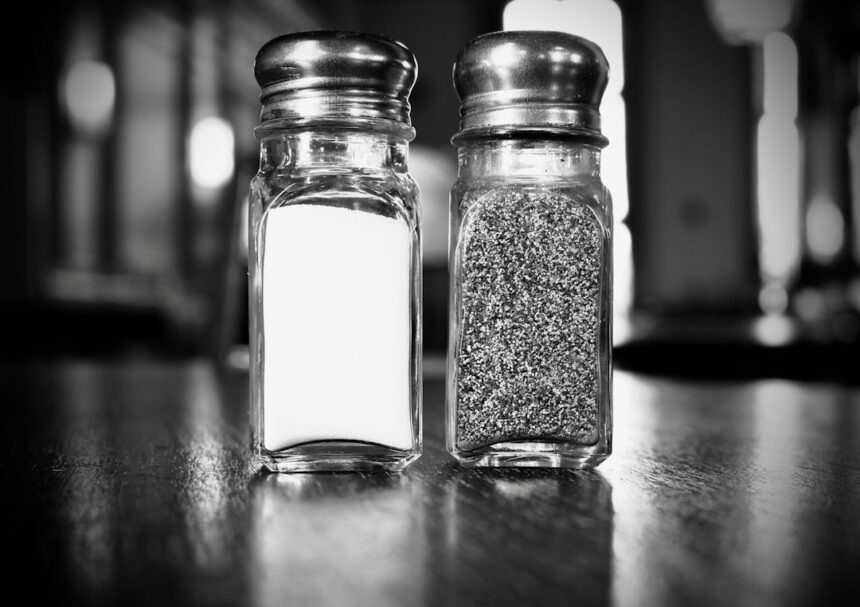
A comprehensive observational study of 8,300 older Brazilian adults has documented a noteworthy finding: individuals who regularly added table salt at meals experienced approximately 23% faster cognitive decline over a 24-month study period compared to those who did not. This quantifiable association emerged even after researchers adjusted for confounding variables including education, income, and baseline health status.
The research revealed pronounced gender differences in salt-adding prevalence, with 68% of men versus 45% of women regularly adding salt at the table. Notably, men’s salt habits demonstrated greater resistance to health awareness interventions, while women’s consumption patterns correlated more strongly with overall dietary approaches. These findings suggest that cognitive preservation strategies may benefit from gender-tailored nutritional guidance and behavioral interventions in aging populations.
Read the full article on GMJ Newsroom.
Was this article helpful?