By using this site, you agree to the Privacy Policy and Terms of Use.
Accept
GMJ NewsGMJ NewsGMJ News
  • Latest News
    • GMJ Briefs
  • Podcast & Media
    • Podcast Episodes
    • GMJ Audio
    • GMJ Videos
  • Research Digest
    • New Studies
    • Georgian Research
    • Data & Numbers
  • Policy & Systems
    • Health Policy
    • Quality & Safety
    • Migration & Health
    • Global Health
  • Practice
    • Clinical Updates
    • Case Discussions
    • Pharmacy & Prescribing
    • Ingredients A-Z
  • Perspectives
    • Editorial
    • Explainers
    • Voices
    • Letters
  • GMJ Articles
    • Vol. 1 Issue 2 (2026)
    • Vol. 1 Issue 1 (2026)
    • Pre-Launch Articles (2025)
  • Read the Journal →
  • About GMJ News
Notification Show More
Font ResizerAa
GMJ NewsGMJ News
Font ResizerAa
  • Latest News
    • GMJ Briefs
  • Podcast & Media
    • Podcast Episodes
    • GMJ Audio
    • GMJ Videos
  • Research Digest
    • New Studies
    • Georgian Research
    • Data & Numbers
  • Policy & Systems
    • Health Policy
    • Quality & Safety
    • Migration & Health
    • Global Health
  • Practice
    • Clinical Updates
    • Case Discussions
    • Pharmacy & Prescribing
    • Ingredients A-Z
  • Perspectives
    • Editorial
    • Explainers
    • Voices
    • Letters
  • GMJ Articles
    • Vol. 1 Issue 2 (2026)
    • Vol. 1 Issue 1 (2026)
    • Pre-Launch Articles (2025)
  • Read the Journal →
  • About GMJ News
Follow US
GMJ News > GMJ Briefs > 537 Million Diabetes Patients Could Benefit from New Nanotechnology Sensors

537 Million Diabetes Patients Could Benefit from New Nanotechnology Sensors

GMJ
Last updated: 10/06/2026 22:06
By
Prof. Giorgi Pkhakadze
Share
1 Min Read
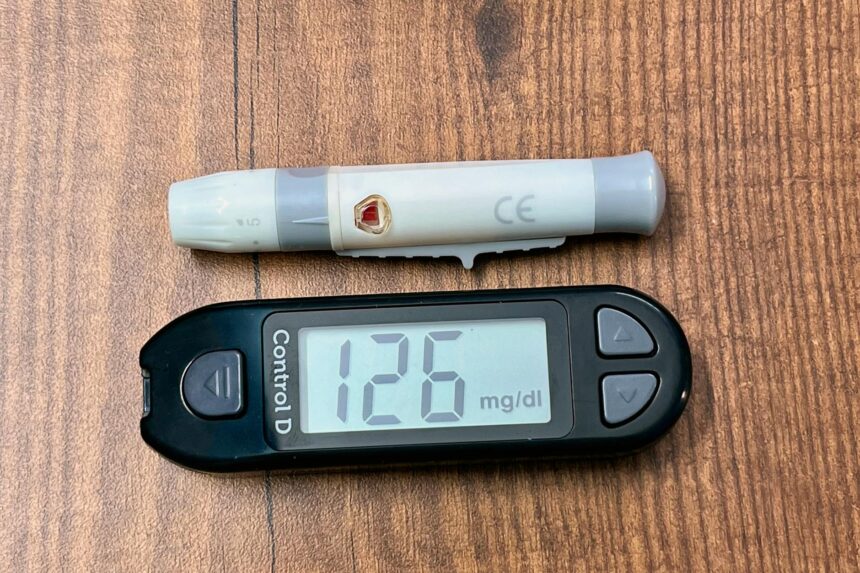
Illustration of nanotechnology sensors being used for diabetes glucose monitoring
Australian researchers develop nanotechnology sensors that could revolutionize diabetes monitoring by making glucose testing more accurate and less invasive. The innovation could benefit 537 million adults worldwide living with diabetes. — Photo: Arunangshu Banerjee / Pexels
SHARE
1 min read|124 words

A staggering 537 million adults worldwide lived with diabetes in 2021, according to International Diabetes Federation data, with prevalence highest in the Western Pacific region at 206 million cases. This global health challenge demands innovative solutions that improve patient outcomes and enhance disease management.

Australian National University researchers have developed nanotechnology sensors designed to address the persistent challenges in diabetes monitoring. These advanced glucose sensors offer superior accuracy and sensitivity compared to conventional monitors, while eliminating the discomfort associated with traditional blood sampling methods.

The technology’s potential impact extends across all affected regions, as improved monitoring accessibility could enhance patient compliance with glucose management protocols. By making monitoring less invasive and more efficient, this nanotechnology platform offers promise for better disease control and reduced diabetes-related complications globally.

Was this article helpful?
GMJ Brief · Key Finding

📰 Read the full article: Nanotechnology Innovation Promises to Transform Diabetes Monitoring and Care →

Share This Article
Facebook LinkedIn Bluesky Copy Link Print
GMJ
ByProf. Giorgi Pkhakadze
Follow:
Prof. Giorgi Pkhakadze, MD, MPH, PhD, is Editor-in-Chief of the Georgian Medical Journal and Chair of the Public Health Institute of Georgia (PHIG). He is Professor and Head of the Department of Social and Behavioural Sciences at David Tvildiani Medical University, and Secretary/Treasurer of the UEMS Section of Public Health. ORCID: 0000-0001-7609-4515.

Submit Your Paper →

Georgia's peer-reviewed open-access medical journal. No APC until January 2027.
Submit Manuscript →
Climate Change Disrupts Education for 617 Million Children in Poverty Worldwide

Climate change is systematically disrupting education for 617 million children worldwide, with…

Five Distinct Diabetes Development Patterns Identified Years Before Diagnosis

European study of 18,567 adults reveals five distinct metabolic pathways leading to…

Coeliac Disease Linked to Increased Death Risk and Cancer in Major US Study

Major US study of 60,000+ patients reveals coeliac disease patients face 39%…

Submit Your Paper to GMJ

No APC until January 2027.
Submit Manuscript →

You Might Also Like

PHEIC Declaration: Cross-Border Ebola Transmission DRC-Uganda

By
Prof. Giorgi Pkhakadze
31/05/2026
Medical illustration showing hepatitis B virus suppression with new antisense oligonucleotide therapy

New Antisense Therapy Transforms Hepatitis B Treatment Landscape

By
Prof. Giorgi Pkhakadze
05/06/2026

CLUSTER ALERT: Ebola Cross-Border Transmission DRC-Uganda – WHO Emergency Declaration

By
Prof. Giorgi Pkhakadze
31/05/2026
Chart showing distribution of nicotine cognitive research by population type

The Nicotine Paradox: Millions Seek Cognitive Enhancement With Zero Evidence

By
Prof. Giorgi Pkhakadze
02/06/2026
Facebook Twitter Youtube Instagram
Company
  • Privacy Policy
  • Contact US
  • GMJ Journal
  • Submit Manuscript
  • Editorial Team
  • Register at GMJ
  • Terms of Use

Subscribe to GMJ News — Click here

Join Community
© 2026 Georgian Medical Journal (GMJ). Published by the Public Health Institute of Georgia (PHIG). All rights reserved.
Welcome Back!

Sign in to your account

Username or Email Address
Password

Lost your password?

Not a member? Sign Up