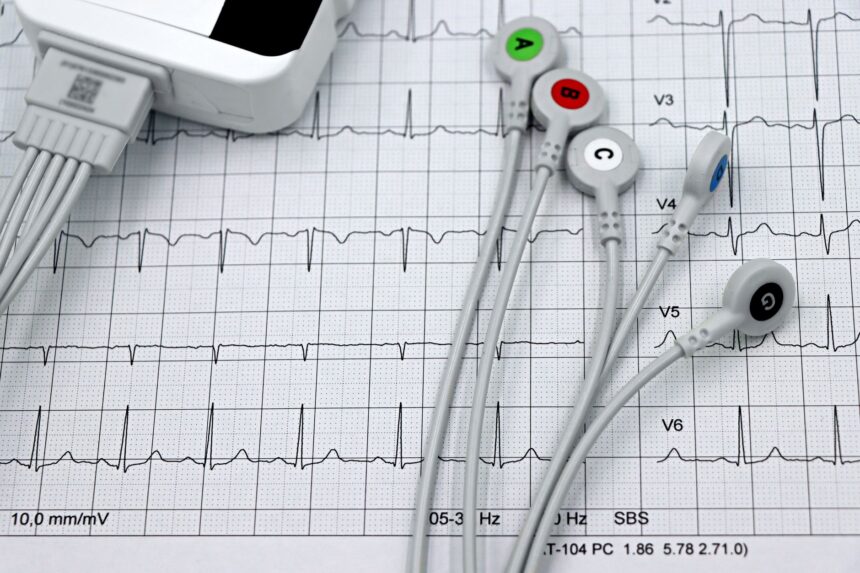
A concerning finding from University of Kansas researchers reveals that modern artificial intelligence systems can extract more than five categories of personal information from routine electrocardiogram signals—often without patients’ knowledge or consent. Among the highest-risk data points are individual identity, exact age, and sex or gender classification, while race and ethnicity information presents significant privacy risks. Health status markers represent additional moderate-risk exposure. This hidden vulnerability has largely gone unrecognized in clinical practice, despite decades of ECG collection as a standard diagnostic procedure. The emergence of deep learning algorithms has transformed these traditionally simple cardiac recordings into potential sources of comprehensive biometric identification and demographic inference, prompting urgent calls for enhanced data governance and privacy protection measures in healthcare settings.
Was this article helpful?