By using this site, you agree to the Privacy Policy and Terms of Use.
Accept
GMJ NewsGMJ NewsGMJ News
  • Latest News
    • GMJ Briefs
  • Podcast & Media
    • Podcast Episodes
    • GMJ Audio
    • GMJ Videos
  • Research Digest
    • New Studies
    • Georgian Research
    • Data & Numbers
  • Policy & Systems
    • Health Policy
    • Quality & Safety
    • Migration & Health
    • Global Health
  • Practice
    • Clinical Updates
    • Case Discussions
    • Pharmacy & Prescribing
    • Ingredients A-Z
  • Perspectives
    • Editorial
    • Explainers
    • Voices
    • Letters
  • Health Topics
  • GMJ Articles
    • Vol. 1 Issue 2 (2026)
    • Vol. 1 Issue 1 (2026)
    • Pre-Launch Articles (2025)
  • Read the Journal →
  • About GMJ News
Notification Show More
Font ResizerAa
GMJ NewsGMJ News
Font ResizerAa
  • Latest News
    • GMJ Briefs
  • Podcast & Media
    • Podcast Episodes
    • GMJ Audio
    • GMJ Videos
  • Research Digest
    • New Studies
    • Georgian Research
    • Data & Numbers
  • Policy & Systems
    • Health Policy
    • Quality & Safety
    • Migration & Health
    • Global Health
  • Practice
    • Clinical Updates
    • Case Discussions
    • Pharmacy & Prescribing
    • Ingredients A-Z
  • Perspectives
    • Editorial
    • Explainers
    • Voices
    • Letters
  • Health Topics
  • GMJ Articles
    • Vol. 1 Issue 2 (2026)
    • Vol. 1 Issue 1 (2026)
    • Pre-Launch Articles (2025)
  • Read the Journal →
  • About GMJ News
Follow US
GMJ News > GMJ Briefs > Announcement: Beyond Minimum Requirements: New Evidence Suggests Higher Protein Intake Supports Healthy Aging

Announcement: Beyond Minimum Requirements: New Evidence Suggests Higher Protein Intake Supports Healthy Aging

GMJ
Last updated: 12/08/2026 17:30
By
Prof. Giorgi Pkhakadze
Share
0 Min Read
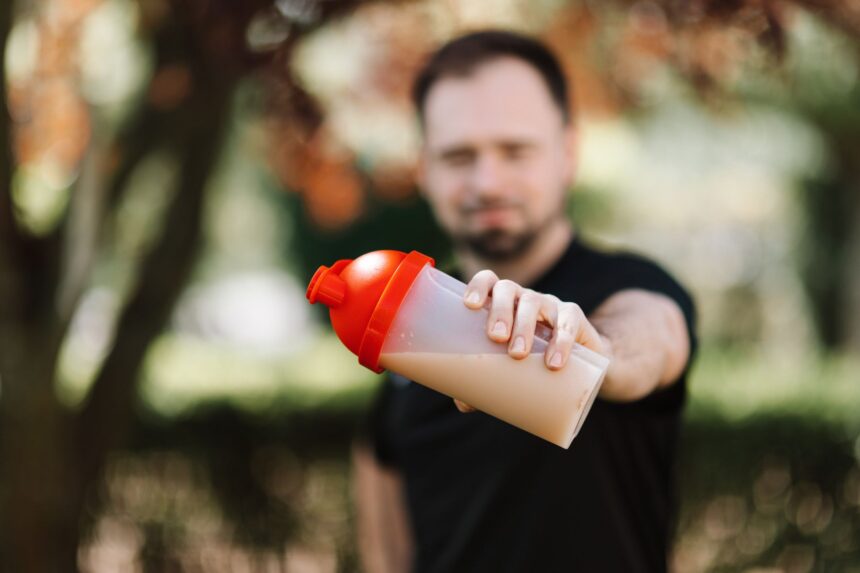
Illustration of protein sources and older adults exercising, representing optimal nutrition for healthy aging
A new review of aging and nutrition research suggests that protein intake substantially above current global minimum guidelines—combined with regular exercise—may help older adults maintain muscle strength, cognitive function, and independence. Current recommendations may protect against deficiency but fall short of optimising health in later life. — Photo by www.kaboompics.com on Pexels (Pexels License)
SHARE
1 min read|53 words

New research challenges whether current protein guidelines are enough for healthy aging. A review suggests older adults who eat more protein paired with exercise maintain better strength, sharper minds, and greater independence. The goal: not a beach body, but decades of vitality. Read the evidence-based analysis.

Read the full article on GMJ Newsroom →

Was this article helpful?
GMJ Brief · Announcement

📰 Read the full article: Beyond Minimum Requirements: New Evidence Suggests Higher Protein Intake Supports Healthy Aging →

Share This Article
Facebook LinkedIn Bluesky Copy Link Print
GMJ
ByProf. Giorgi Pkhakadze
Follow:
Prof. Giorgi Pkhakadze, MD, MPH, PhD, is Editor-in-Chief of the Georgian Medical Journal and Chair of the Public Health Institute of Georgia (PHIG). He is Professor and Head of the Department of Social and Behavioural Sciences at David Tvildiani Medical University, and Secretary/Treasurer of the UEMS Section of Public Health. ORCID: 0000-0001-7609-4515.

Submit Your Paper →

Georgia's peer-reviewed open-access medical journal. No APC until January 2027.
Submit Manuscript →
Expanding Heart Failure Care With Pharmacists and Nurse Practitioners Cuts Costs and Saves Lives

An economic analysis in the Canadian Journal of Cardiology demonstrates that integrating…

Assistive Technology Access in Sri Lanka Reveals Stark Disparities Across Age, Sex, and Geography

A mixed-methods study in The Lancet Regional Asia documents how age, sex,…

Physicians as Political Voices: 250 Years of Medicine and American Democracy

A New England Journal of Medicine historical analysis examines 250 years of…

Submit Your Paper to GMJ

No APC until January 2027.
Submit Manuscript →

You Might Also Like

Brain lipid profiles in women and men with and without Alzheimer's disease

Menopause Unravels Women’s Natural Brain Shield Against Alzheimer’s Disease

By
Prof. Giorgi Pkhakadze
01/08/2026
Illustration of AI chatbot interface with medical symbols and trust indicators

Trust Gap Widens: Only 23% of Patients Confident in AI Medical Advice

By
Prof. Giorgi Pkhakadze
30/06/2026
Medical chart showing low success rates of facilitated communication methods for autism treatment

Research Shows 90% of ‘Facilitated Communication’ Cases Reflect Facilitator Influence, Not Patient Response

By
Prof. Giorgi Pkhakadze
20/07/2026
Healthcare policy document showing ACA rule changes and cost increases

30% Deductible Increase: What the New ACA Rule Means for Your Healthcare Costs

By
Prof. Giorgi Pkhakadze
17/07/2026
Facebook Twitter Youtube Instagram
Company
  • Privacy Policy
  • Contact US
  • GMJ Journal
  • Submit Manuscript
  • Editorial Team
  • Register at GMJ
  • Terms of Use

Subscribe to GMJ News — Click here

Join Community
© 2026 Georgian Medical Journal (GMJ). Published by the Public Health Institute of Georgia (PHIG). All rights reserved.
Welcome Back!

Sign in to your account

Username or Email Address
Password

Lost your password?

Not a member? Sign Up