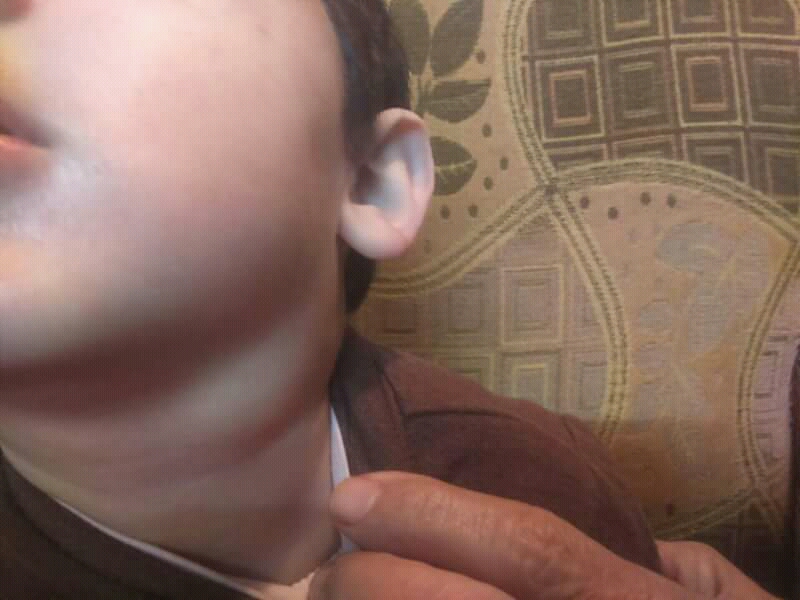
Cat scratch disease, a zoonotic infection caused by Bartonella henselae, continues to present diagnostic challenges across clinical settings due to its variable manifestations. A recent case review published in the New England Journal of Medicine underscores the importance of clinical vigilance, as presentations extend beyond typical lymphadenopathy to include hepatosplenic involvement and neurological complications. Transmitted primarily through cat scratches and bites, with seasonal peaks during warmer months when flea activity increases, the infection affects approximately 4 cases per 100,000 population annually in the United States. Diagnosis relies heavily on clinical suspicion informed by cat exposure history, combined with serological testing and histopathology. While most localized infections resolve spontaneously within 2–3 months, systemic disease requires targeted antibiotic therapy. Azithromycin remains the first-line treatment for disseminated disease. Early recognition and appropriate management are essential for optimal patient outcomes.
Was this article helpful?