By using this site, you agree to the Privacy Policy and Terms of Use.
Accept
GMJ NewsGMJ NewsGMJ News
  • Latest News
    • GMJ Briefs
  • Podcast & Media
    • Podcast Episodes
    • GMJ Audio
    • GMJ Videos
  • Research Digest
    • New Studies
    • Georgian Research
    • Data & Numbers
  • Policy & Systems
    • Health Policy
    • Quality & Safety
    • Migration & Health
    • Global Health
  • Practice
    • Clinical Updates
    • Case Discussions
    • Pharmacy & Prescribing
    • Ingredients A-Z
  • Perspectives
    • Editorial
    • Explainers
    • Voices
    • Letters
  • GMJ Articles
    • Vol. 1 Issue 2 (2026)
    • Vol. 1 Issue 1 (2026)
    • Pre-Launch Articles (2025)
  • Read the Journal →
  • About GMJ News
Notification Show More
Font ResizerAa
GMJ NewsGMJ News
Font ResizerAa
  • Latest News
    • GMJ Briefs
  • Podcast & Media
    • Podcast Episodes
    • GMJ Audio
    • GMJ Videos
  • Research Digest
    • New Studies
    • Georgian Research
    • Data & Numbers
  • Policy & Systems
    • Health Policy
    • Quality & Safety
    • Migration & Health
    • Global Health
  • Practice
    • Clinical Updates
    • Case Discussions
    • Pharmacy & Prescribing
    • Ingredients A-Z
  • Perspectives
    • Editorial
    • Explainers
    • Voices
    • Letters
  • GMJ Articles
    • Vol. 1 Issue 2 (2026)
    • Vol. 1 Issue 1 (2026)
    • Pre-Launch Articles (2025)
  • Read the Journal →
  • About GMJ News
Follow US
GMJ News > GMJ Briefs > Berry Selection Matters: Polyphenol Content Varies Fivefold Across Common Fruits

Berry Selection Matters: Polyphenol Content Varies Fivefold Across Common Fruits

GMJ
Last updated: 29/07/2026 05:30
By
Prof. Giorgi Pkhakadze
Share
1 Min Read
Bar chart showing polyphenol content across berries and plant foods, from chokeberry at 1,500+ mg to strawberry at 270 mg per 100g fresh weight
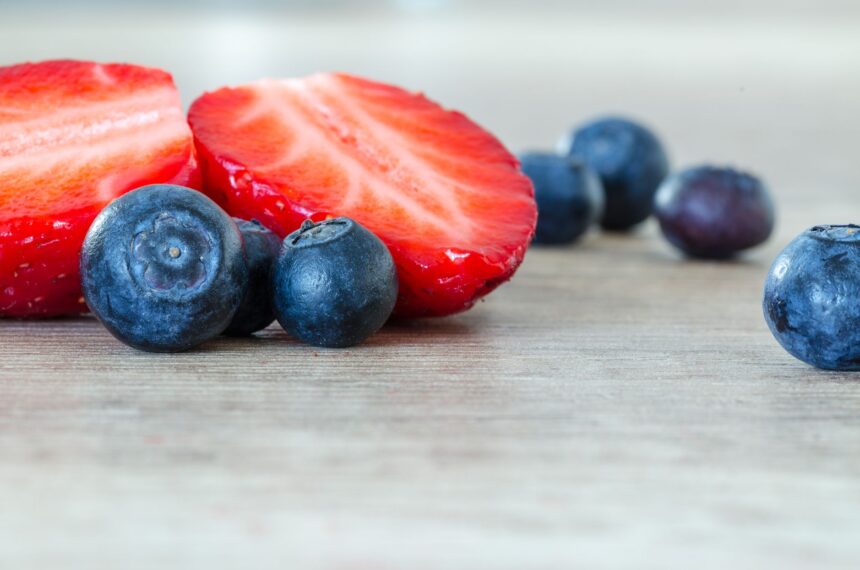
Polyphenol content in berries varies more than fivefold, with chokeberry and cocoa powder delivering over 1,500 mg per 100g fresh weight compared to strawberry's 270 mg. Selecting high-polyphenol sources meaningfully increases dietary bioactive intake without supplementation. — Photo by Lukas Blazek on Pexels (Pexels License)
SHARE
1 min read|123 words

Not all berries deliver equivalent nutritional benefits. According to dietary analysis published in the Journal of Nutrition, polyphenol concentrations in common fruits and plant-based foods span more than tenfold variation, from strawberries at 270 mg per 100 grams to chokeberries exceeding 1,500 mg per 100 grams of fresh weight.

This substantial difference means that fruit selection—not merely fruit consumption—meaningfully influences total dietary intake of bioactive compounds including anthocyanidins, proanthocyanidins, phenolic acids, and flavonols. High-performing sources such as bilberry (900 mg/100g) and black currant (825 mg/100g) offer substantially higher polyphenol intake than lower-concentration alternatives.

The research indicates that a single 100-gram serving of nutrient-dense berries can deliver bioactive compound levels comparable to commercial supplement doses, making strategic food selection a practical approach to optimizing dietary nutrition.

Was this article helpful?

GMJ Brief · Announcement

📰 Read the full article: Polyphenol Content Varies Tenfold Across Berries and Foods — What the Science Shows →

Related reference
  • Bilberry · Ingredient
Share This Article
Facebook LinkedIn Bluesky Copy Link Print
GMJ
ByProf. Giorgi Pkhakadze
Follow:
Prof. Giorgi Pkhakadze, MD, MPH, PhD, is Editor-in-Chief of the Georgian Medical Journal and Chair of the Public Health Institute of Georgia (PHIG). He is Professor and Head of the Department of Social and Behavioural Sciences at David Tvildiani Medical University, and Secretary/Treasurer of the UEMS Section of Public Health. ORCID: 0000-0001-7609-4515.

Submit Your Paper →

Georgia's peer-reviewed open-access medical journal. No APC until January 2027.
Submit Manuscript →
Special Operations Forces Show Persistent Health Burden From Combat Trauma, New Study Reveals

Active-duty U.S. special operations forces personnel show persistent health problems across behavioral,…

Why Adolescent Obesity Is Rising in the Digital Age—and How Digital Tools Can Help

Global adolescent obesity is rising due to digital food marketing and structural…

Frozen and Canned Produce Offer Similar Nutritional Value to Fresh, Research Shows

Frozen and canned fruits and vegetables retain nutritional quality comparable to fresh…

Submit Your Paper to GMJ

No APC until January 2027.
Submit Manuscript →

You Might Also Like

EBOLA OUTBREAK – DRC/UGANDA CROSS-BORDER TRANSMISSION – PHEIC DECLARED

By
Prof. Giorgi Pkhakadze
31/05/2026
Medical professional holding blood donation bag with WHO Africa logo

Key Finding: WHO Africa Calls for Greater Blood Donation as Critical Shortages Persist Across Region

By
Prof. Giorgi Pkhakadze
18/07/2026
Scientific illustration of diverse gut microorganisms including bacteria, viruses and fungi

By the Numbers: The Staggering Scale of Your Gut Microbiome

By
Prof. Giorgi Pkhakadze
10/07/2026
Clinical UpdatesNew StudiesPracticeResearch Digest

Pregnant Women Want Early, Honest Risk Information During Emerging Disease Outbreaks, Study Finds

By
Prof. Giorgi Pkhakadze
22/06/2026
Facebook Twitter Youtube Instagram
Company
  • Privacy Policy
  • Contact US
  • GMJ Journal
  • Submit Manuscript
  • Editorial Team
  • Register at GMJ
  • Terms of Use

Subscribe to GMJ News — Click here

Join Community
© 2026 Georgian Medical Journal (GMJ). Published by the Public Health Institute of Georgia (PHIG). All rights reserved.
Welcome Back!

Sign in to your account

Username or Email Address
Password

Lost your password?

Not a member? Sign Up