By using this site, you agree to the Privacy Policy and Terms of Use.
Accept
GMJ NewsGMJ NewsGMJ News
  • Latest News
    • GMJ Briefs
  • Podcast & Media
    • Podcast Episodes
    • GMJ Audio
    • GMJ Videos
  • Research Digest
    • New Studies
    • Georgian Research
    • Data & Numbers
  • Policy & Systems
    • Health Policy
    • Quality & Safety
    • Migration & Health
    • Global Health
  • Practice
    • Clinical Updates
    • Case Discussions
    • Pharmacy & Prescribing
    • Ingredients A-Z
  • Perspectives
    • Editorial
    • Explainers
    • Voices
    • Letters
  • GMJ Articles
    • Vol. 1 Issue 2 (2026)
    • Vol. 1 Issue 1 (2026)
    • Pre-Launch Articles (2025)
  • Read the Journal →
  • About GMJ News
Notification Show More
Font ResizerAa
GMJ NewsGMJ News
Font ResizerAa
  • Latest News
    • GMJ Briefs
  • Podcast & Media
    • Podcast Episodes
    • GMJ Audio
    • GMJ Videos
  • Research Digest
    • New Studies
    • Georgian Research
    • Data & Numbers
  • Policy & Systems
    • Health Policy
    • Quality & Safety
    • Migration & Health
    • Global Health
  • Practice
    • Clinical Updates
    • Case Discussions
    • Pharmacy & Prescribing
    • Ingredients A-Z
  • Perspectives
    • Editorial
    • Explainers
    • Voices
    • Letters
  • GMJ Articles
    • Vol. 1 Issue 2 (2026)
    • Vol. 1 Issue 1 (2026)
    • Pre-Launch Articles (2025)
  • Read the Journal →
  • About GMJ News
Follow US
GMJ News > Research Digest > Data & Numbers > Polyphenol Content Varies Tenfold Across Berries and Foods — What the Science Shows
Data & NumbersExplainersPerspectivesResearch Digest

Polyphenol Content Varies Tenfold Across Berries and Foods — What the Science Shows

GMJ
Last updated: 12/07/2026 13:29
By
GMJ Research Desk
Share
8 Min Read
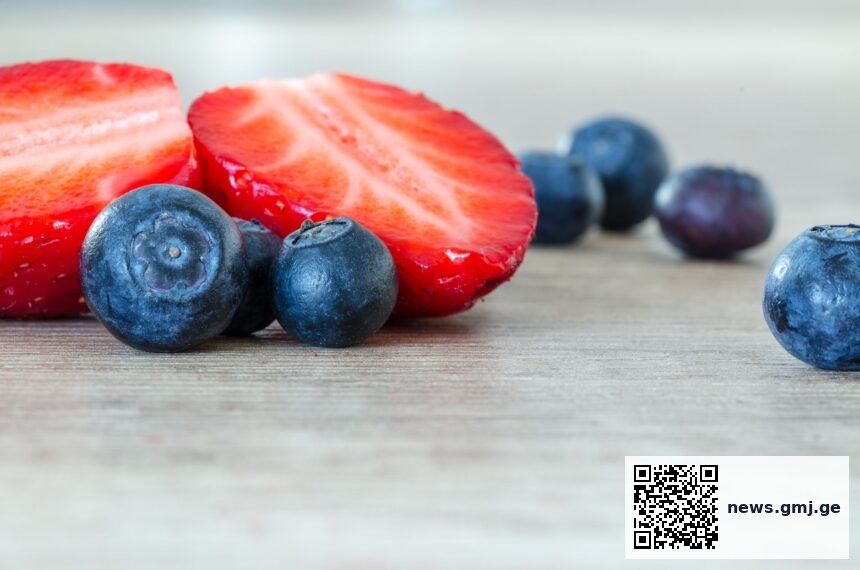
Bar chart showing polyphenol content across berries and plant foods, from chokeberry at 1,500+ mg to strawberry at 270 mg per 100g fresh weightIllustrative image · Photo by Lukas Blazek on Pexels (Pexels License)
Polyphenol content in berries varies more than fivefold, with chokeberry and cocoa powder delivering over 1,500 mg per 100g fresh weight compared to strawberry's 270 mg. Selecting high-polyphenol sources meaningfully increases dietary bioactive intake without supplementation. — Photo by Lukas Blazek on Pexels (Pexels License)
SHARE
5 min read|1,009 words
✓ Medically reviewed by Prof. Giorgi Pkhakadze, MD, MPH, PhD · ORCID 0000-0001-7609-4515

🟠 Moderate Evidence

Contents
    • Key takeaways
      • Polyphenol Content Across Common Foods and Berries
  • How Polyphenols Vary Across Food Sources
  • Practical Implications: Achieving Polyphenol Targets Through Food
  • Limitations and Context for Clinical Practice
    • What this means
  • Frequently asked questions
    • Does eating 100 grams of strawberry deliver the same polyphenols as 100 grams of chokeberry?
    • Are all polyphenol subclasses equally beneficial for health?
    • Does processing (freezing, drying, heating) change polyphenol content?

Total polyphenol content in common berries and plant-based foods varies more than tenfold, ranging from fewer than 300 mg per 100 grams of fresh weight to over 1,500 mg per 100 grams, according to dietary analysis published in the Journal of Nutrition (2008). This substantial variation means that fruit selection — not merely fruit consumption — meaningfully influences total dietary intake of bioactive compounds including proanthocyanidins, anthocyanidins, phenolic acids, ellagitannins, and flavonols.

Key takeaways

  • Polyphenol concentrations span from 300 mg/100g (strawberry, sea buckthorn, peanut) to over 1,500 mg/100g (chokeberry, cocoa powder)
  • A single 100-gram serving of high-polyphenol fruit can deliver bioactive compound levels comparable to a commercial supplement dose
  • Selecting nutrient-dense sources — bilberry, black currant, rose hip — offers substantially higher polyphenol intake than low-concentration alternatives
1,500 mg
total polyphenols per 100g fresh weight in chokeberry and cocoa powder — more than 5 times the content of strawberries

Polyphenol Content Across Common Foods and Berries

Total polyphenols (mg/100g fresh weight) by food source, with subclass composition. Data from dietary analysis published in the Journal of Nutrition (2008).

Chokeberry
1,500+
Cocoa powder
1,480
Bilberry
900
Black currant
825
Rose hip
750
Strawberry
270
Sea buckthorn
300
Peanut
330

Source: Journal of Nutrition, 2008 | Georgian Medical Journal News

Submit Your Paper
GMJ_Submit_Banner

How Polyphenols Vary Across Food Sources

The Journal of Nutrition analysis examined total polyphenol concentration and subclass composition across widely consumed berries and plant-based foods. The top-performing sources — chokeberry and cocoa powder — contain more than 1,500 mg per 100 grams of fresh weight. This represents the highest concentration category among common dietary sources.

A second tier of mid-to-high polyphenol foods includes bilberry (approximately 900 mg/100g), black currant (approximately 825 mg/100g), and rose hip (approximately 750 mg/100g). These intermediate sources still deliver substantially more bioactive compounds than lower-concentration alternatives.

In contrast, strawberry, sea buckthorn, and peanut fall into a lower concentration band, each containing fewer than 300–330 mg per 100 grams. This fivefold difference between top and bottom performers underscores why food selection, not merely consumption volume, determines dietary polyphenol intake. Visit the GMJ Explainers section for more on dietary bioactives.

Practical Implications: Achieving Polyphenol Targets Through Food

A single 100-gram serving of high-polyphenol fruit — roughly one cup of berries — can deliver polyphenol quantities equivalent to a standardised supplement dose. This equivalence has important practical implications for dietary strategies aimed at increasing bioactive compound intake without resort to supplementation.

For individuals pursuing higher polyphenol intake through food sources, prioritising chokeberry, cocoa powder, bilberry, black currant, and rose hip offers substantially greater bioactive density per unit weight consumed. Conversely, relying exclusively on strawberries or sea buckthorn would require consuming 3–5 times the quantity to achieve equivalent polyphenol intake. The composition of polyphenol subclasses — proanthocyanidins, anthocyanidins, and others — also varies by source, suggesting that dietary diversity across berry types may provide complementary bioactive coverage.

This variation emphasises the importance of food-based approaches to achieving micronutrient and phytochemical targets, particularly in populations where supplement access or acceptability may be limited. For further clinical updates on nutrition and bioactive compounds, consult GMJ News.

Limitations and Context for Clinical Practice

Polyphenol bioavailability — the proportion of consumed polyphenols that the body actually absorbs and utilises — varies considerably based on food matrix, processing, and individual gut microbiota composition. Total polyphenol content, while informative, does not directly predict health outcomes or biological activity in human subjects. The Journal of Nutrition analysis provides a comparative dietary snapshot, not a functional efficacy assessment.

Additionally, polyphenol intake recommendations for disease prevention or treatment remain inconsistently defined across clinical guidelines. Clinicians should view this polyphenol data as one component of broader evidence-based nutritional counselling, rather than as a standalone therapeutic target. For quality and safety guidance on dietary supplements, refer to regulatory authority assessments.

Chokeberry and cocoa powder contain over 1,500 mg of total polyphenols per 100 grams fresh weight — more than five times the content of strawberries — demonstrating that fruit selection, not merely consumption volume, meaningfully influences dietary bioactive intake.

— Journal of Nutrition dietary analysis (2008)

What this means

For patients: Selecting bilberry, black currant, chokeberry, or dark cocoa-containing products over strawberry or sea buckthorn will deliver substantially higher polyphenol intake per serving, supporting dietary strategies for micronutrient optimisation without supplement reliance.
For clinicians: When counselling patients on dietary polyphenol intake for cardiovascular or metabolic health, recommend high-concentration sources (bilberry, black currant, cocoa); note that bioavailability varies and that total polyphenol content alone does not predict clinical efficacy.
For policymakers: Food labelling standards for polyphenol content could help consumers make informed selections and improve adherence to plant-based dietary guidelines. Educational campaigns highlighting polyphenol-dense berries may support public health nutrition objectives with minimal cost.

Frequently asked questions

Does eating 100 grams of strawberry deliver the same polyphenols as 100 grams of chokeberry?

No. Chokeberry contains approximately 1,500 mg of total polyphenols per 100 grams fresh weight, whilst strawberry contains approximately 270 mg per 100 grams — a fivefold difference. To achieve equivalent polyphenol intake from strawberry, one would need to consume approximately 500 grams (five times the volume). This is why source selection significantly impacts total bioactive intake.

Are all polyphenol subclasses equally beneficial for health?

Polyphenol subclasses — proanthocyanidins, anthocyanidins, phenolic acids, ellagitannins, and flavonols — have distinct chemical structures and may exhibit different bioavailability and biological activities. The relative health benefit of each subclass remains an active research question; therefore, dietary diversity across different berry types and plant sources may provide complementary bioactive coverage rather than relying on a single polyphenol class.

Does processing (freezing, drying, heating) change polyphenol content?

Processing can alter polyphenol content and bioavailability. The Journal of Nutrition analysis measured fresh weight samples; heating, oxidation, and microbial fermentation may increase, decrease, or transform polyphenol compounds. Consumers should note that fresh, frozen, and processed berries may differ in final bioactive content, and clinical guidance should account for preparation method when making dietary recommendations.

As dietary research advances, real-world polyphenol intake patterns — integrating both food selection and preparation practices — will become increasingly relevant to nutritional epidemiology and clinical prevention strategies. Food-based approaches to bioactive compound consumption remain a cornerstone of evidence-based preventive nutrition and merit continued investment in public health communication and clinical counselling.

Source: Journal of Nutrition dietary analysis on total polyphenol content across common foods

Was this article helpful?

Disclaimer. This article is health journalism intended for general information and education. It is not medical advice and is not a substitute for professional diagnosis or treatment. Always consult a qualified healthcare provider about your individual circumstances. Full disclaimer →

Related Coverage
Vitamin C and Iron Supplements: The Evidence Falls Short of the HypeJul 22, 2026
The Melatonin Myth: Why Taking a Pill Misses the Biochemical PictureJul 22, 2026
Melatonin's antioxidant role in muscle health: what the evidence showsJul 21, 2026
How Creatine Supplements Reshape Your Body's Methylation CycleJul 21, 2026
Related reference
  • Sea Buckthorn · Ingredient
  • Bilberry · Ingredient
  • SAMe · Ingredient
PG
Written by
Prof. Giorgi Pkhakadze, MD, MPH, PhD
Editor-in-Chief, GMJ News
Full profile →  ·  ORCID 0000-0001-7609-4515
Medical disclaimer. This article is health journalism intended for general information. It is not medical advice and is not a substitute for consultation with a qualified healthcare professional. Always seek your physician's advice regarding any medical condition.
Medically reviewed by Prof. Giorgi Pkhakadze, MD, MPH, PhD. Spotted an error? Contact the editorial team.

Get the GMJ News digest
Evidence-based health journalism in your inbox. No spam; unsubscribe anytime.
TAGGED:berriesdietary bioactivesfood selectionNutritionpolyphenols
Share This Article
Facebook LinkedIn Bluesky Copy Link Print
GMJ
ByGMJ Research Desk
Follow:
GMJ Research Desk is part of GMJ News, the newsroom of the Georgian Medical Journal (gmj.ge), published by the Public Health Institute of Georgia. Every article is editorially reviewed before publication.
Leave a Comment Leave a Comment

Leave a Reply Cancel reply

Your email address will not be published. Required fields are marked *

Submit Your Paper →

Georgia's peer-reviewed open-access medical journal. No APC until January 2027.
Submit Manuscript →
Vitamin C and Iron Supplements: The Evidence Falls Short of the Hype

Vitamin C enhances plant-based iron absorption through a well-documented biochemical mechanism, but…

The Melatonin Myth: Why Taking a Pill Misses the Biochemical Picture

Most people treat melatonin as a simple sleep replacement, but your body…

Melatonin’s antioxidant role in muscle health: what the evidence shows

Melatonin, known for antioxidant effects in the brain and gut, may also…

Submit Your Paper to GMJ

No APC until January 2027.
Submit Manuscript →

You Might Also Like

Data visualization comparing cardiovascular risk by food additive consumption levelsIllustrative image · Photo by Marta Branco on Pexels (Pexels License)
Clinical UpdatesNew StudiesPracticeResearch Digest

Eight Common Food Additives Linked to Hypertension and Cardiovascular Disease in Large Cohort Study

By
GMJ Practice Desk
13/07/2026
Illustration of medical communication and health terminology standardsIllustrative image · Photo by Ellison Ei on Pexels (Pexels License)
EditorialPerspectives

The Case for ‘Health Care’: Why Language Precision Matters in Medical Journalism

By
GMJ Perspectives Desk
15/07/2026
Medical illustration showing heart protection through genetic-guided therapy with SGLT2 inhibitorsIllustrative image · Photo by Marta Branco on Pexels (Pexels License)
Clinical UpdatesNew StudiesPracticeResearch Digest

Diabetes Drug Dapagliflozin Cuts Heart Failure Risk by 32% in Genetically Vulnerable Patients

By
GMJ Practice Desk
17/06/2026
Medical illustration showing infant developmental screening examinationIllustrative image · Photo by freestocks on Unsplash (Unsplash License)
Clinical UpdatesNew StudiesPracticeResearch Digest

Prenatal Zika exposure linked to vision, hearing deficits despite apparently healthy births

By
GMJ Practice Desk
15/06/2026
Facebook Twitter Youtube Instagram
Company
  • Privacy Policy
  • Contact US
  • GMJ Journal
  • Submit Manuscript
  • Editorial Team
  • Register at GMJ
  • Terms of Use

Subscribe to GMJ News — Click here

Join Community
© 2026 Georgian Medical Journal (GMJ). Published by the Public Health Institute of Georgia (PHIG). All rights reserved.
Welcome Back!

Sign in to your account

Username or Email Address
Password

Lost your password?

Not a member? Sign Up