By using this site, you agree to the Privacy Policy and Terms of Use.
Accept
GMJ NewsGMJ NewsGMJ News
  • Latest News
    • GMJ Briefs
  • Podcast & Media
    • Podcast Episodes
    • GMJ Audio
    • GMJ Videos
  • Research Digest
    • New Studies
    • Georgian Research
    • Data & Numbers
  • Policy & Systems
    • Health Policy
    • Quality & Safety
    • Migration & Health
    • Global Health
  • Practice
    • Clinical Updates
    • Case Discussions
    • Pharmacy & Prescribing
    • Ingredients A-Z
  • Perspectives
    • Editorial
    • Explainers
    • Voices
    • Letters
  • GMJ Articles
    • Vol. 1 Issue 2 (2026)
    • Vol. 1 Issue 1 (2026)
    • Pre-Launch Articles (2025)
  • Read the Journal →
  • About GMJ News
Notification Show More
Font ResizerAa
GMJ NewsGMJ News
Font ResizerAa
  • Latest News
    • GMJ Briefs
  • Podcast & Media
    • Podcast Episodes
    • GMJ Audio
    • GMJ Videos
  • Research Digest
    • New Studies
    • Georgian Research
    • Data & Numbers
  • Policy & Systems
    • Health Policy
    • Quality & Safety
    • Migration & Health
    • Global Health
  • Practice
    • Clinical Updates
    • Case Discussions
    • Pharmacy & Prescribing
    • Ingredients A-Z
  • Perspectives
    • Editorial
    • Explainers
    • Voices
    • Letters
  • GMJ Articles
    • Vol. 1 Issue 2 (2026)
    • Vol. 1 Issue 1 (2026)
    • Pre-Launch Articles (2025)
  • Read the Journal →
  • About GMJ News
Follow US
GMJ News > GMJ Briefs > Beyond Inflammation: How Omega-3s Rewire Muscle Cells at the Molecular Level

Beyond Inflammation: How Omega-3s Rewire Muscle Cells at the Molecular Level

GMJ
Last updated: 25/07/2026 13:30
By
Prof. Giorgi Pkhakadze
Share
1 Min Read
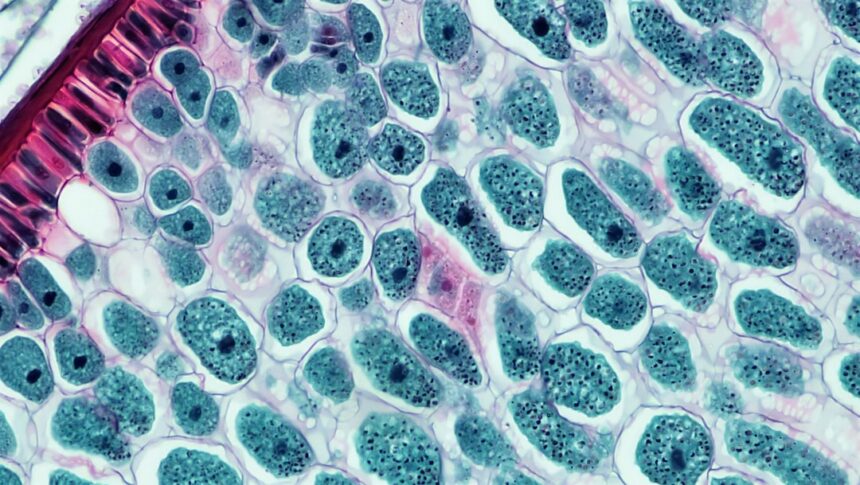
Diagram showing omega-3 fatty acid integration into muscle cell membrane and downstream phospholipase signalling pathways
Omega-3 fatty acids reshape muscle tissue architecture by integrating into cell membranes and activating phospholipase signalling cascades that improve insulin sensitivity, reduce fat storage, and enhance protein synthesis—explaining their consistent benefits across metabolic health, athletic performance, and ageing populations. — Photo by Bioscience Image Library by Fayette Reynolds on Unsplash (Unsplash License)
SHARE
1 min read|140 words

Omega-3 fatty acids have long been recognized for cardiovascular benefits, but emerging evidence reveals their influence extends far deeper into muscle tissue architecture and cellular function. Research demonstrates that EPA and DHA—the long-chain omega-3s found in fish oils—integrate directly into muscle cell membranes, fundamentally altering how cells process energy, store fat, and synthesize proteins.

Once incorporated into the phospholipid bilayer, these fatty acids activate a cascade of enzymatic responses that enhance insulin sensitivity and metabolic flexibility independent of caloric restriction. Scientists have identified three distinct phospholipase pathways—phospholipase D, C, and A2—that work synergistically to regulate intracellular signalling, calcium transport, and eicosanoid production. This multi-pathway activation explains why omega-3 supplementation produces measurable improvements in glucose control and reduced intramuscular fat accumulation across diverse populations, from athletes to aging adults.

Read the full article on GMJ Newsroom.

Was this article helpful?

GMJ Brief · Announcement

📰 Read the full article: Omega-3s reshape muscle tissue at the cellular level, study reveals →

Related reference
  • Calcium · Ingredient
  • Insulin · Drug
Share This Article
Facebook LinkedIn Bluesky Copy Link Print
GMJ
ByProf. Giorgi Pkhakadze
Follow:
Prof. Giorgi Pkhakadze, MD, MPH, PhD, is Editor-in-Chief of the Georgian Medical Journal and Chair of the Public Health Institute of Georgia (PHIG). He is Professor and Head of the Department of Social and Behavioural Sciences at David Tvildiani Medical University, and Secretary/Treasurer of the UEMS Section of Public Health. ORCID: 0000-0001-7609-4515.

Submit Your Paper →

Georgia's peer-reviewed open-access medical journal. No APC until January 2027.
Submit Manuscript →
Iron, Folate, and B12: The Three Nutrients Your Blood Cannot Live Without

Red blood cells depend on three essential nutrients—iron, folate, and vitamin B12—to…

Why Coffee Affects Everyone Differently: The Science of Caffeine Metabolism

Caffeine metabolism is governed by liver enzymes, genetics, and lifestyle factors, explaining…

PQQ Shows Consistent Benefits for Inflammation, Energy, and Memory in Human Trials

Pyrroloquinoline quinone (PQQ), a naturally occurring micronutrient, shows consistent improvements in inflammatory…

Submit Your Paper to GMJ

No APC until January 2027.
Submit Manuscript →

You Might Also Like

Researchers examining ultra-processed food products in laboratory setting

Scientific Consensus Meets Policy Gridlock: Researchers Demand Urgent Ultra-Processed Food Reforms

By
Prof. Giorgi Pkhakadze
13/06/2026
Scientific illustration showing DNA helixes connecting cat and human cancer cells

Genetic Data Shows 85% Match Between Cat and Human Breast Cancer Mutations

By
Prof. Giorgi Pkhakadze
17/06/2026
Medical professionals reviewing pregnancy vaccination guidelines and recommendations

ACOG Breaks from CDC to Establish Independent Pregnancy Vaccine Framework

By
Prof. Giorgi Pkhakadze
03/07/2026

FDA Alert: Medline Issues Urgent Recall of Namic Star Off-Handle Manifolds Over Blood Clot Risk

By
Prof. Giorgi Pkhakadze
27/05/2026
Facebook Twitter Youtube Instagram
Company
  • Privacy Policy
  • Contact US
  • GMJ Journal
  • Submit Manuscript
  • Editorial Team
  • Register at GMJ
  • Terms of Use

Subscribe to GMJ News — Click here

Join Community
© 2026 Georgian Medical Journal (GMJ). Published by the Public Health Institute of Georgia (PHIG). All rights reserved.
Welcome Back!

Sign in to your account

Username or Email Address
Password

Lost your password?

Not a member? Sign Up