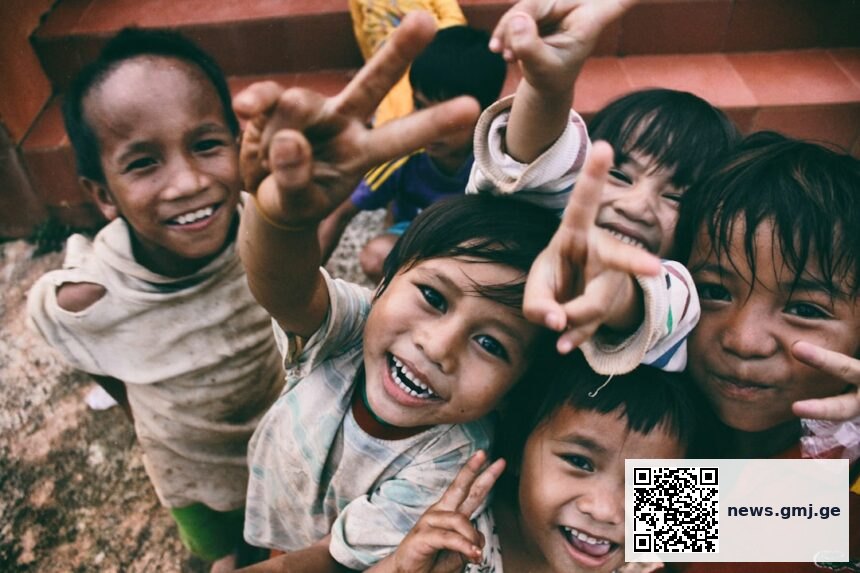
Children in armed conflict zones face a compounding crisis of violence, disease, malnutrition, and psychological trauma that demands urgent international action, according to Catherine Russell, UNICEF Executive Director, who testified before the United Nations Security Council during an open debate on children and armed conflict. The humanitarian emergency affecting children in war-torn regions represents one of the most pressing global public health challenges, with impacts extending far beyond the immediate physical injuries of combat.
Key takeaways
- Armed conflict disrupts healthcare systems, leaving children vulnerable to preventable diseases and malnutrition
- Psychological trauma from violence creates long-term mental health consequences affecting child development and social integration
- International protection mechanisms and humanitarian access are critical to preventing further deterioration of child health outcomes in conflict zones
Child health impacts in armed conflict: layered emergency
Primary health threats facing children in active conflict zones, documented by humanitarian agencies
Source: UNICEF presentation to UN Security Council, 2024 | Georgian Medical Journal News
Health systems collapse threatens entire child populations
The destruction and degradation of healthcare infrastructure in conflict zones represents a primary threat to child survival. When hospitals are damaged, healthcare workers displaced, and medical supply chains disrupted, children lose access to essential services including maternal care, vaccination programs, and treatment for acute and chronic illnesses. The World Health Organization documents that healthcare facility damage directly correlates with increased preventable mortality in conflict-affected populations.

According to Catherine Russell, UNICEF Executive Director, in her remarks to the UN Security Council, the scale of health system disruption has created cascading public health emergencies. Without functional healthcare infrastructure, treatable conditions progress to severe complications, and children become vulnerable to disease outbreaks that would be manageable under normal circumstances. This intersection of violence, disease vulnerability, and medical inaccessibility creates a multiplier effect on child mortality.
The humanitarian and medical community has consistently emphasized that protection of healthcare infrastructure is a legal obligation under international humanitarian law. The International Committee of the Red Cross monitors violations and advocates for safeguarding medical facilities as essential civilian infrastructure. Yet enforcement remains inconsistent across conflict zones.
Malnutrition and food insecurity compound health vulnerability
Warfare disrupts agricultural production, market access, and humanitarian food distribution, forcing millions of children into acute malnutrition. Malnourished children have significantly compromised immune function, making them more susceptible to infectious diseases and less able to survive medical complications. In conflict zones, the combination of malnutrition and disease creates a lethal synergy.
UNICEF’s testimony to the Security Council highlighted that food insecurity in conflict areas is not incidental to warfare—it is often weaponized as a military tactic. When children cannot access adequate nutrition during critical developmental windows, the consequences extend beyond immediate survival, affecting cognitive development, physical growth, and long-term health outcomes into adulthood. The World Food Programme documents that malnutrition rates in active conflict zones routinely exceed emergency thresholds.
The psychological impact of living under threat while experiencing hunger creates additional stress on developing nervous systems. This dual trauma—physical deprivation and psychological threat—compounds developmental harm and creates barriers to recovery even after conflict ends. UNICEF’s State of the World’s Children reports emphasize that nutritional rehabilitation programs must be prioritized as essential medical interventions in post-conflict recovery.
Psychological trauma creates lasting developmental consequences
Exposure to violence, displacement, loss of family members, and chronic fear during formative years produces measurable changes in child mental health and neurodevelopment. Children in armed conflict zones exhibit elevated rates of post-traumatic stress disorder, depression, anxiety, and behavioral disorders that persist long after violence ceases. These conditions impair school attendance, social integration, and later economic productivity.
Catherine Russell’s testimony to the UN Security Council underscored that mental health support is not a luxury add-on to humanitarian response—it is essential medical care. Yet conflict zones typically lack trained mental health professionals, psychiatric medications, and structured psychological services. The WHO’s mental health division notes that psychosocial interventions in conflict settings remain severely under-resourced relative to need.
The intergenerational implications are significant. Children who experience unresolved trauma during critical developmental periods show altered stress response systems, potentially affecting their own parenting and health behaviors as adults. This creates pathways through which conflict-related harm extends across generations. Breaking these cycles requires sustained investment in mental health infrastructure, trained providers, and evidence-based psychological interventions adapted to post-conflict contexts.
Children in armed conflict zones face interconnected threats to survival and development—healthcare collapse, malnutrition, disease, and psychological trauma—requiring coordinated international humanitarian and medical response.
— Catherine Russell, UNICEF Executive Director (UN Security Council Testimony, 2024)
International protection mechanisms and humanitarian access remain inadequate
Despite international humanitarian law protections for civilians and medical personnel, conflict parties routinely violate agreements, restricting humanitarian access and targeting healthcare workers. The International Committee of the Red Cross documents thousands of attacks on healthcare facilities and workers annually. These violations directly obstruct Health Services">child health services and create environments where medical professionals cannot operate safely.
Russell’s testimony to the Security Council called for strengthened enforcement of existing legal protections and increased diplomatic pressure on conflict parties to allow unimpeded humanitarian access. The UN General Assembly and Security Council possess authority to impose sanctions, investigation mechanisms, and accountability measures for violations. Yet political divisions among Security Council members often prevent decisive action, leaving humanitarian agencies working in environments of institutional constraint.
Organizations including Médecins Sans Frontières, the International Committee of the Red Cross, and UNICEF continue operating in high-risk conflict zones, but their ability to reach affected populations depends on negotiated access and minimal violence against their workers. Strengthening these organizations’ operational capacity and ensuring their protection must be a priority for any serious effort to mitigate the health impact of armed conflict on children. See related analysis on migration and health policy responses.
What this means
Frequently asked questions
What are the primary health threats to children in armed conflict?
According to UNICEF’s testimony to the UN Security Council, children in conflict zones face interconnected threats including healthcare system collapse, malnutrition and food insecurity, communicable disease outbreaks, interrupted vaccination programs, and psychological trauma from violence and displacement. Each of these threats individually increases child mortality and morbidity; together, they create a multiplier effect on preventable death and disability.
How does malnutrition in conflict zones differ from other settings?
Malnutrition in conflict zones is often weaponized as a military tactic and occurs alongside disrupted healthcare, making it particularly lethal. The World Food Programme documents that malnourished children lack immune resilience to fight infections, creating a lethal combination of nutritional and infectious disease burden. Recovery requires both food security and medical care, neither of which may be available during active conflict.
What can the international community do to protect children in armed conflict?
According to Catherine Russell’s testimony, priority actions include: enforcing international humanitarian law protections for healthcare facilities and workers; removing barriers to humanitarian access for organizations like UNICEF and the Red Cross; investigating and prosecuting violations; providing sustained funding for health system reconstruction; and integrating mental health support into humanitarian response. The UN Security Council has authority to mandate these measures through binding resolutions.
The testimony by UNICEF’s Executive Director to the UN Security Council represents a critical moment for the international community to reassess its commitment to child protection in armed conflict. The compounding health crises affecting children—from collapsed healthcare systems to malnutrition to psychological trauma—require not only humanitarian relief but also sustained diplomatic pressure, accountability mechanisms, and reconstruction investment. Without coordinated action by UN member states, the trajectory of child health outcomes in conflict zones will continue to deteriorate, with consequences extending across generations. Related coverage on global health policy and migration and health explores interconnected crises affecting vulnerable populations.
Was this article helpful?
Disclaimer. This article is health journalism intended for general information and education. It is not medical advice and is not a substitute for professional diagnosis or treatment. Always consult a qualified healthcare provider about your individual circumstances. Full disclaimer →
Related Coverage



Editorial standards. This article was produced under the GMJ News editorial process, with oversight by the GMJ Editorial Board. Our editorial process. Spotted an error? Contact the editorial team.