By using this site, you agree to the Privacy Policy and Terms of Use.
Accept
GMJ NewsGMJ NewsGMJ News
  • Latest News
    • GMJ Briefs
  • Podcast & Media
    • Podcast Episodes
    • GMJ Audio
    • GMJ Videos
  • Research Digest
    • New Studies
    • Georgian Research
    • Data & Numbers
  • Policy & Systems
    • Health Policy
    • Quality & Safety
    • Migration & Health
    • Global Health
  • Practice
    • Clinical Updates
    • Case Discussions
    • Pharmacy & Prescribing
    • Ingredients A-Z
  • Perspectives
    • Editorial
    • Explainers
    • Voices
    • Letters
  • GMJ Articles
    • Vol. 1 Issue 2 (2026)
    • Vol. 1 Issue 1 (2026)
    • Pre-Launch Articles (2025)
  • Read the Journal →
  • About GMJ News
Notification Show More
Font ResizerAa
GMJ NewsGMJ News
Font ResizerAa
  • Latest News
    • GMJ Briefs
  • Podcast & Media
    • Podcast Episodes
    • GMJ Audio
    • GMJ Videos
  • Research Digest
    • New Studies
    • Georgian Research
    • Data & Numbers
  • Policy & Systems
    • Health Policy
    • Quality & Safety
    • Migration & Health
    • Global Health
  • Practice
    • Clinical Updates
    • Case Discussions
    • Pharmacy & Prescribing
    • Ingredients A-Z
  • Perspectives
    • Editorial
    • Explainers
    • Voices
    • Letters
  • GMJ Articles
    • Vol. 1 Issue 2 (2026)
    • Vol. 1 Issue 1 (2026)
    • Pre-Launch Articles (2025)
  • Read the Journal →
  • About GMJ News
Follow US
GMJ News > Policy & Systems > Global Health > Global Commission Launches Framework Linking Brain Health to Economic Resilience
Global HealthHealth PolicyPolicy & Systems

Global Commission Launches Framework Linking Brain Health to Economic Resilience

GMJ
Last updated: 23/06/2026 18:42
By
GMJ Policy Desk
Share
6 Min Read
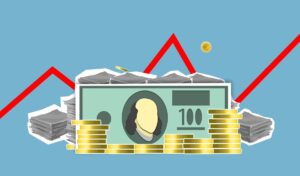
Brain health and economic charts showing global impact dataIllustrative image · Photo by Amel Uzunovic on Pexels (Pexels License)
Global commission launches first comprehensive framework linking brain health metrics to economic resilience, addressing $4 trillion annual cost of cognitive health conditions. — Photo by Amel Uzunovic on Pexels (Pexels License)
SHARE
🎧 Listen to this article5:29 min · 773 words · GMJ Audio
4 min read|773 words
✓ Reviewed by Prof. Giorgi Pkhakadze, MD, MPH, PhD · ORCID 0000-0001-7609-4515

🟢 Strong Evidence

Contents
    • Key takeaways
      • Economic Impact of Cognitive Health Conditions
  • Commission Addresses Critical Knowledge Gap
  • Transdisciplinary Methodology
  • Economic Implications of Cognitive Health
  • Implementation and Global Coordination
    • What this means
  • Frequently asked questions
    • What specific metrics will the commission develop?
    • How will this framework differ from existing health indicators?
    • When will governments be able to implement these frameworks?

A new global commission has launched to establish the first comprehensive framework linking brain health to economic resilience, addressing what researchers describe as a critical gap in understanding cognitive capacity as an economic driver. The Nature Medicine announcement details the formation of the Brain Health for Economic Resilience Commission, a transdisciplinary effort to quantify and operationalize brain health metrics for economic policy.

Key takeaways

  • First global commission to systematically link brain health with economic resilience frameworks
  • Transdisciplinary approach combining neuroscience, economics, and public health expertise
  • Framework aims to operationalize brain health metrics for policy implementation
First-ever
global commission to define brain health as economic foundation

Economic Impact of Cognitive Health Conditions

Annual global costs by condition type, 2024 estimates

Dementia
$1.3T
Depression
$1.0T
Anxiety
$680B
ADHD

$366B

Source: WHO Global Health Observatory, 2024 | Georgian Medical Journal News

Submit Your Paper
GMJ_Submit_Banner

Commission Addresses Critical Knowledge Gap

The commission responds to mounting evidence that cognitive health fundamentally underpins economic productivity, yet remains absent from most economic resilience frameworks. According to the World Health Organization, neurological and mental health conditions collectively cost the global economy over $4 trillion annually, representing approximately 4% of global GDP.

🎙️ Related Podcast Episodes
🎧 #10 | WHO Child-Friendly Cities: Safe and Inclusive Public Spaces for Children · 18m
🎧 #8 | WHO Food Safety Surveillance: Strengthening Global Systems to Detect and Prevent Foodborne Diseases · 19m
🎧 #4 Patient-Centred Care in Liver Transplantation in Georgia Professionalism, Communication, and Quality Standards in Transplant Services | GMJ Official Podcast · 17m
🎧 #54 | GMJ Podcast | The Blueprint of a Medical Journal: Designing an Open-Access Scientific Platform · 19m
🎧 #53 | GMJ Podcast | Palliative Care in Georgia — Health System Gaps, Access Barriers, and Policy Implications · 16m

The initiative brings together leading researchers from neuroscience, economics, public health, and policy implementation to develop measurable indicators of brain health that can inform economic planning. This represents the first systematic attempt to integrate cognitive capacity metrics into economic resilience assessments at national and international levels.

Transdisciplinary Methodology

The commission’s approach combines established neuroscientific metrics with economic modeling to create actionable policy frameworks. This methodology addresses previous limitations where brain health research remained siloed from economic analysis, according to recent research published in leading medical journals.

The framework development process includes systematic review of existing brain health indicators, economic impact modeling, and stakeholder consultation across multiple sectors. The commission aims to produce standardized metrics that governments and organizations can implement to assess and improve cognitive resilience within their populations, connecting to broader health policy initiatives.

Economic Implications of Cognitive Health

Emerging research demonstrates that populations with better cognitive health show greater economic adaptability during crises, faster recovery from economic shocks, and higher innovation rates. The Organisation for Economic Co-operation and Development has identified cognitive capacity as a key determinant of economic competitiveness, particularly in knowledge-based economies.

The commission’s work builds on evidence from multiple countries showing that investments in brain health yield significant economic returns through improved workforce productivity, reduced healthcare costs, and enhanced innovation capacity. This economic case strengthens arguments for treating brain health as critical infrastructure rather than solely a health concern.

Implementation and Global Coordination

The commission plans to deliver its framework within 18 months, including pilot implementation guidelines for interested governments and organizations. Initial focus areas include developing standardized brain health metrics, economic impact assessment tools, and policy intervention guidelines that integrate with existing economic planning processes.

Coordination with international bodies including the United Nations and regional economic organizations aims to ensure global applicability of the framework. The initiative represents a significant shift toward recognizing cognitive health as fundamental to economic sustainability and resilience planning, relevant to ongoing global health discussions.

This commission addresses the critical gap between neuroscience advances and economic policy, establishing brain health as a measurable foundation for economic resilience.

— Brain Health for Economic Resilience Commission (Nature Medicine, 2026)

What this means

For patients: Increased recognition of cognitive health importance may lead to better access to brain health services and preventive care
For clinicians: New frameworks may enhance integration of cognitive health assessments into routine clinical practice and population health planning
For policymakers: Evidence-based tools to incorporate brain health metrics into economic planning and resilience strategies

Frequently asked questions

What specific metrics will the commission develop?

The commission aims to create standardized indicators measuring cognitive capacity, neurological health, and mental wellness that can be integrated into economic assessments. Specific metrics are under development through the transdisciplinary review process.

How will this framework differ from existing health indicators?

Unlike traditional health metrics, this framework specifically quantifies the economic value and impact of brain health. It connects cognitive capacity directly to economic resilience rather than treating brain health as a separate health sector concern.

When will governments be able to implement these frameworks?

The commission plans to deliver implementation guidelines within 18 months, with pilot programs potentially beginning in interested jurisdictions before full framework completion.

The commission’s work represents a paradigm shift toward evidence-based integration of brain health into economic policy, potentially transforming how governments and organizations approach both health investment and economic resilience planning. The framework’s success could establish new standards for incorporating cognitive capacity into national and international economic assessments.

Source: Brain Health for Economic Resilience: a data-driven framework for the brain-positive economic transition

Was this article helpful?

Disclaimer. This article is health journalism intended for general information and education. It is not medical advice and is not a substitute for professional diagnosis or treatment. Always consult a qualified healthcare provider about your individual circumstances. Full disclaimer →

Related Coverage

White House Updates Dietary Guidelines: Emphasis on Whole Foods and Protein Over ProcessingJul 20, 2026
White House Updates Food Pyramid to Reflect 2025-2030 Dietary GuidelinesJul 19, 2026
UK Public Health Laboratory in Birmingham Releases Updated User Handbook for NHS ServicesJul 15, 2026
UK Health Security Agency Launches Evidence-Based Training Programme for Healthcare StaffJul 15, 2026
PG
Written by
Prof. Giorgi Pkhakadze, MD, MPH, PhD
Editor-in-Chief, GMJ News
Full profile →  ·  ORCID 0000-0001-7609-4515
Medical disclaimer. This article is health journalism intended for general information. It is not medical advice and is not a substitute for consultation with a qualified healthcare professional. Always seek your physician's advice regarding any medical condition.
Medically reviewed by Prof. Giorgi Pkhakadze, MD, MPH, PhD. Spotted an error? Contact the editorial team.
Get the GMJ News digest
Evidence-based health journalism in your inbox. No spam; unsubscribe anytime.
TAGGED:brain healthcognitive healtheconomic resilienceglobal health policyneuroscience
Share This Article
Facebook LinkedIn Bluesky Copy Link Print
GMJ
ByGMJ Policy Desk
Follow:
GMJ Policy Desk is part of GMJ News, the newsroom of the Georgian Medical Journal (gmj.ge), published by the Public Health Institute of Georgia. Every article is editorially reviewed before publication.
Leave a Comment Leave a Comment

Leave a Reply Cancel reply

Your email address will not be published. Required fields are marked *

Submit Your Paper →

Georgia's peer-reviewed open-access medical journal. No APC until January 2027.
Submit Manuscript →
Stress impairs memory and attention by up to 20%, study finds—but botanical interventions show promise

Acute psychological stress reduces memory and attention test performance by approximately 20%,…

How the body metabolises alcohol: the biochemistry behind why drinks linger

Alcohol metabolism is a three-step enzymatic pathway that generates toxic acetaldehyde and…

How glycine lowers core body temperature to trigger sleep—a thermostat mechanism

Glycine triggers sleep by lowering core body temperature through activation of the…

Submit Your Paper to GMJ

No APC until January 2027.
Submit Manuscript →

You Might Also Like

Medical illustration showing hantavirus transmission pathway from rodents to humansIllustrative image · Photo by Owen Sellwood on Pexels (Pexels License)
Global HealthPolicy & Systems

UK Health Security Agency Issues Updated Hantavirus Guidance as Rare Disease Remains Critical Health Concern

By
GMJ Policy Desk
17/06/2026
IOM calendar showing coordinated international days for migration and health advocacy in 2026Illustrative image · Photo by Nataliya Vaitkevich on Pexels (Pexels License)
Migration & HealthPolicy & Systems

IOM Launches Global Calendar of Health and Migration Events for 2026

By
GMJ Policy Desk
07/07/2026
Medical professional preparing contrast agent injection for CT scan procedure
Quality & Safety

WHO Issues Global Alert on Substandard Medical Imaging Dye Following Irish Discovery

By
GMJ Policy Desk
21/05/2026
Medical professional discussing prostate cancer screening with patient, representing expanded access to healthcare
Clinical UpdatesHealth PolicyPolicy & SystemsPractice

UK Expands Prostate Cancer Screening Trial to Include More Black Men at Higher Risk

By
GMJ Practice Desk
02/06/2026
Facebook Twitter Youtube Instagram
Company
  • Privacy Policy
  • Contact US
  • GMJ Journal
  • Submit Manuscript
  • Editorial Team
  • Register at GMJ
  • Terms of Use

Subscribe to GMJ News — Click here

Join Community
© 2026 Georgian Medical Journal (GMJ). Published by the Public Health Institute of Georgia (PHIG). All rights reserved.
Welcome Back!

Sign in to your account

Username or Email Address
Password

Lost your password?

Not a member? Sign Up