🟡 Preliminary Evidence
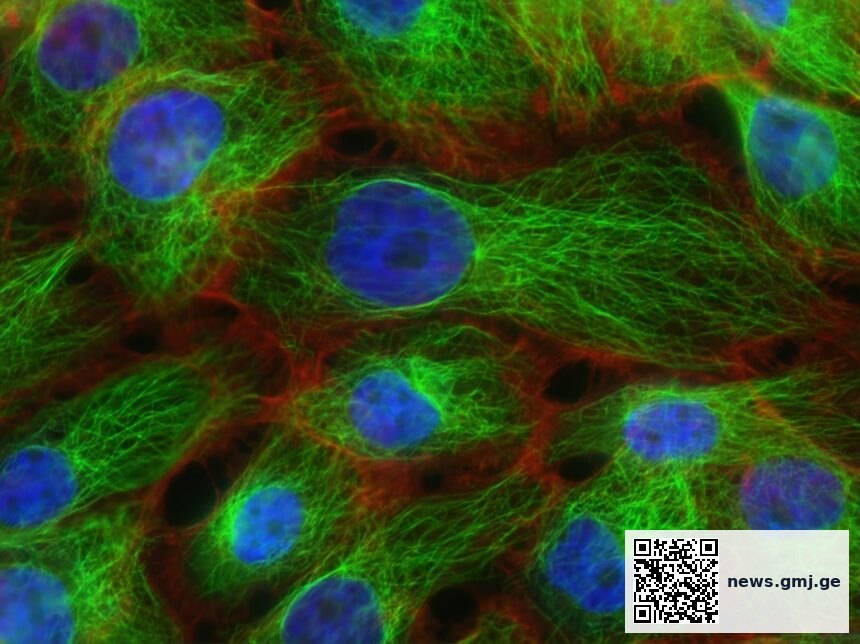
Researchers have announced the creation of what may represent the first fully synthetic living cell, marking a significant milestone in synthetic biology. The development, reported through both peer-reviewed literature and the establishment of a new public benefit corporation, represents a potential watershed moment in the ability to design and construct cellular systems from chemical components.
Key takeaways
- Synthetic biology researchers have created a cell they argue meets criteria for biological life
- The technology is being made available to other scientists through a newly formed public benefit corporation
- The development raises important questions about cell definition, biosafety, and future therapeutic applications
The Synthetic Cell: From Theory to Reality
Timeline of major milestones in synthetic biology and cellular engineering
Source: Synthetic biology research milestones | Georgian Medical Journal News

What Is a Synthetic Cell?
The newly created cell represents a fundamental engineering achievement: a living system constructed entirely through laboratory design rather than evolved through biological processes. According to the research team’s announcement, the synthetic cell meets multiple criteria associated with life, including the capacity for metabolism and reproduction, though the exact biological classification remains a subject of scientific discussion.
The distinction between synthetic and natural cells hinges on origin rather than function. Recent advances in synthetic biology have progressively enabled scientists to design and synthesize DNA sequences, insert them into cellular scaffolds, and guide their expression toward defined biological outcomes. This synthetic cell appears to represent the culmination of that technical progression.
Technology Transfer and Scientific Access
A key aspect of the announcement involves the establishment of a public benefit corporation designed to distribute the synthetic cell technology to other research institutions. This model aims to democratise access to the platform and enable broader scientific investigation into synthetic cellular systems.
The decision to structure technology transfer through a public benefit corporation rather than through traditional commercial licensing reflects an emerging model in synthetic biology. Health policy discussions around emerging biotechnologies have increasingly emphasised the importance of equitable access to foundational research tools. The corporation’s charter appears to reflect this principle, though the long-term sustainability and actual distribution mechanisms remain to be demonstrated.
Scientific Questions and Biosafety Considerations
The creation of synthetic cells raises important questions about what constitutes life, how such systems should be regulated, and what safeguards are necessary. The research team’s assertion that their creation qualifies as a living cell depends partly on definitional criteria that are themselves contested within biology.
Biosafety considerations are paramount. Regulatory frameworks for synthetic organisms remain evolving globally, with different jurisdictions adopting varying approaches to oversight. Quality and safety standards for novel biological systems are being developed by multiple agencies, but comprehensive international governance remains incomplete. The research team’s choice to make the technology openly available creates both scientific opportunity and governance challenges that regulatory bodies will need to address systematically.
The synthetic cell represents a convergence of decades of molecular biology research with modern computational design tools, creating a system that researchers argue meets fundamental criteria for biological life.
— Synthetic biology research team announcement (2026)
What this means
Frequently asked questions
Is a synthetic cell truly alive?
The classification depends on definitional criteria for life. The synthetic cell displays characteristics typically associated with living systems—metabolism and self-replication—but whether it meets philosophical or regulatory definitions of life remains a matter of ongoing scientific and scholarly discussion. Different disciplines (biology, philosophy, law) may arrive at different conclusions.
What could synthetic cells be used for medically?
Potential applications include engineered cells that produce therapeutic proteins, cells designed to recognise and attack cancer cells, or cellular systems that replace organs damaged by disease. However, all such applications remain theoretical at present and would require extensive clinical research before human use.
Are there safety concerns with synthetic cells?
Yes. Synthetic organisms, if released into the environment, could pose ecological risks. Additionally, synthetic cells could theoretically be engineered for harmful purposes. These concerns are driving development of biosafety guidelines, containment protocols, and regulatory oversight frameworks globally, though comprehensive international governance remains a work in progress.
The creation of the first synthetic cell represents a pivotal moment in biotechnology, demonstrating that living systems can be designed and constructed through rational engineering. The decision to make this technology available through a public benefit corporation may accelerate scientific progress and broaden access to the platform. However, realising the full therapeutic potential of synthetic cells will require not only continued technical advancement but also development of robust regulatory frameworks, biosafety protocols, and international governance structures to ensure that this powerful technology advances human health safely and equitably.
Source: STAT News: Synthetic biology researchers think they’ve made a cell. Is it alive?
Was this article helpful?
Disclaimer. This article is health journalism intended for general information and education. It is not medical advice and is not a substitute for professional diagnosis or treatment. Always consult a qualified healthcare provider about your individual circumstances. Full disclaimer →
Related Coverage


Editorial standards. This article was produced under the GMJ News editorial process, with oversight by the GMJ Editorial Board. Our editorial process. Spotted an error? Contact the editorial team.