🟢 Strong Evidence
A large-scale metabolomic study published in Nature Medicine (June 2026) has identified a plasma metabolic signature associated with improved survival in patients receiving cancer immunotherapy across five distinct tumour types. Researchers using mass-spectrometry-based profiling found that elevated plasma histidine levels correlate with prolonged survival, opening potential new avenues for both patient stratification and therapeutic intervention.
Key takeaways
- Elevated plasma histidine levels predict better immunotherapy response across multiple cancer types
- Machine learning identified this metabolic signature from analysis of multiple patient cohorts treated with checkpoint inhibitors
- Functional studies suggest histidine metabolism may be therapeutically targetable to improve immunotherapy outcomes
- Finding represents a shift toward personalized metabolic profiling for cancer treatment selection
Study at a Glance
| Source | Nature Medicine |
| Study type | Prospective cohort analysis with machine learning validation |
| Design | Mass-spectrometry metabolomic profiling across multiple patient cohorts |
| Population | Patients with multiple tumour types receiving immunotherapy |
| Tumour types | Five distinct solid tumour malignancies |
| Publication date | 25 June 2026 |
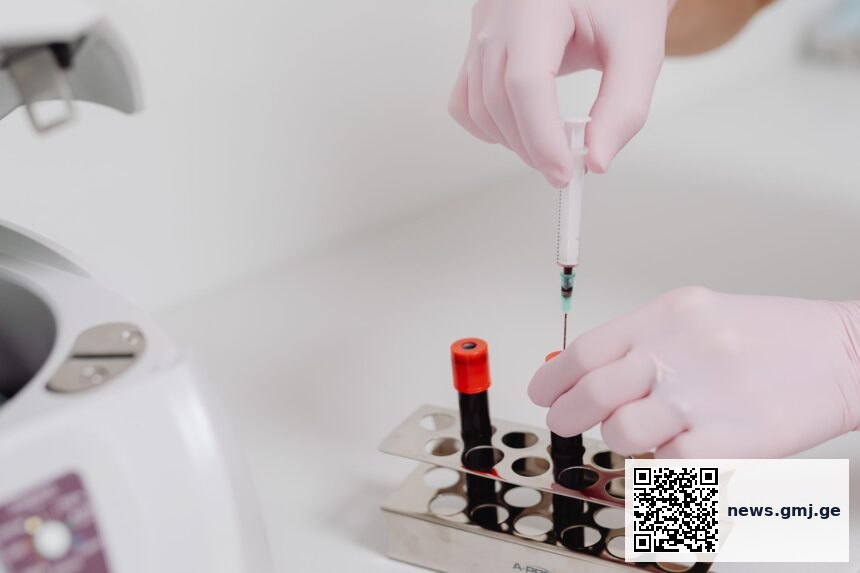
Metabolic profiling bridges precision oncology and immunotherapy response
Machine learning identifies plasma histidine as survival predictor across tumour types, 2026
Source: Nature Medicine, 2026 | Georgian Medical Journal News

A metabolic signature emerges from big data analysis
The study employed plasma samples collected from multiple patient cohorts to build a comprehensive metabolomic dataset. Researchers performed mass-spectrometry-based analysis—a high-resolution technique that measures hundreds of metabolites simultaneously—on patients treated with immune checkpoint inhibitors across five tumour types. Machine learning algorithms then identified patterns in the metabolite data that correlated with patient survival outcomes.
The approach represents a shift in cancer immunotherapy from binary response/non-response classification toward continuous metabolic biomarker profiling. Rather than relying on single genetic mutations or tumour characteristics, this method interrogates the patient’s circulating metabolic state as a predictor of therapeutic success. This aligns with emerging evidence that immunotherapy efficacy depends not only on the tumour microenvironment but also on systemic metabolic factors that shape immune cell function.
Histidine’s role in immune function and survival advantage
Among the metabolites identified, elevated plasma histidine levels emerged as significantly associated with prolonged survival in immunotherapy-treated patients, as published in the Nature Medicine study. Histidine is a semi-essential amino acid with known immunomodulatory properties. It serves as a precursor for histamine and carnosine, both molecules involved in regulating immune cell activation and inflammation. The mechanistic link between circulating histidine and immunotherapy response may involve its role in supporting T cell proliferation and differentiation—critical functions for effective checkpoint inhibitor therapy.
The researchers conducted functional experiments exploring how histidine metabolism influences anti-tumour immune responses. While specific mechanistic details require further investigation, the association across five distinct tumour types suggests a general principle: adequate amino acid availability, particularly histidine, may represent a rate-limiting factor for durable immunotherapy benefit. This observation connects nutritional and metabolic status to treatment outcome in ways not previously quantified at this scale.
Elevated plasma histidine levels independently predict improved survival outcomes in cancer patients receiving checkpoint inhibitor immunotherapy across multiple tumour types, with potential for both patient stratification and metabolic intervention strategies.
— Researchers, Nature Medicine (2026)
Implications for patient selection and therapeutic strategy
Discovery of this metabolic signature has immediate clinical implications. Cancer centres performing immunotherapy may soon integrate plasma metabolomic profiling—alongside existing biomarkers like tumour mutational burden and PD-L1 expression—to predict which patients will derive the greatest benefit from checkpoint inhibitors. Clinical practice could shift toward pre-treatment metabolic assessment, allowing physicians to identify patients at higher risk of poor response and potentially intensify supportive care, adjust dosing, or explore combination approaches.
Therapeutically, the histidine finding suggests several avenues worth exploring. Dietary or supplemental histidine enhancement in immunotherapy patients with baseline low levels might augment treatment efficacy—an intervention that is relatively simple and low-risk compared to novel drug development. Additionally, drugs that enhance histidine bioavailability or mimic its immunomodulatory functions could be developed as adjuncts to standard immunotherapy. The authors’ functional studies hint at specific metabolic pathways that could be pharmacologically targeted to enhance the histidine-mediated immune response.
From metabolomics to personalised immunotherapy
This Nature Medicine study exemplifies how high-throughput omics technology combined with machine learning can uncover hidden biomarkers in large patient datasets. The strength of the work lies in its multi-cohort validation across five different cancer types—a design that reduces the risk of false discovery and suggests generalisable biological principles rather than cancer-type-specific quirks. Similar metabolomic approaches are now being applied across oncology and other disease areas where patient heterogeneity makes prediction challenging.
Future research will need to validate these findings prospectively in independent patient cohorts receiving modern immunotherapy regimens, establish whether histidine levels are causally linked to immune function or merely serve as a marker of underlying immune-permissive metabolism, and determine optimal strategies to modify histidine status therapeutically. Ongoing clinical trials incorporating metabolomic biomarkers will clarify whether pre-treatment metabolic profiling and targeted intervention can meaningfully improve immunotherapy outcomes in clinical practice.
What this means
Frequently asked questions
What is mass-spectrometry-based metabolomic analysis?
Mass spectrometry is a laboratory technique that measures the mass and concentration of thousands of molecules (metabolites) in a single blood sample. Combined with advanced data analysis, it creates a snapshot of a patient’s metabolic state—the products and byproducts of cellular biochemistry. This ‘omics’ approach is now standard in translational cancer research and is beginning to enter clinical practice.
Can patients increase their plasma histidine through diet?
Histidine is found in protein-rich foods including chicken, beef, fish, eggs, cheese, and legumes. While dietary modification is unlikely to dramatically raise plasma histidine in well-nourished patients, the Nature Medicine study suggests that adequate protein intake and normal amino acid metabolism may support immunotherapy efficacy. Any specific supplementation strategy should be discussed with the clinical oncology team before immunotherapy begins.
Will metabolic profiling replace existing immunotherapy biomarkers?
No. Tumour mutational burden, PD-L1 expression, and microsatellite instability remain important predictors of immunotherapy response. Metabolomic profiling represents an additional layer of information—one that captures the patient’s systemic state rather than only tumour characteristics. The most powerful approach will likely combine multiple biomarkers from different biological domains.
As precision oncology advances, the integration of tumour genomics, immunophenotyping, and systemic metabolomics promises to transform how clinicians select and optimise immunotherapy for individual patients. The histidine finding is a proof-of-concept: that plasma metabolites, easily sampled and quantifiable, harbour actionable information about immunotherapy outcomes. Larger prospective trials and mechanistic studies will determine whether metabolic profiling becomes standard practice in cancer centres worldwide.
Source: Metabolic determinants of cancer immunotherapy outcomes identified by plasma profiling, Nature Medicine, 2026
Was this article helpful?
Disclaimer. This article is health journalism intended for general information and education. It is not medical advice and is not a substitute for professional diagnosis or treatment. Always consult a qualified healthcare provider about your individual circumstances. Full disclaimer →
Related Coverage


Editorial standards. This article was produced under the GMJ News editorial process, with oversight by the GMJ Editorial Board. Our editorial process. Spotted an error? Contact the editorial team.