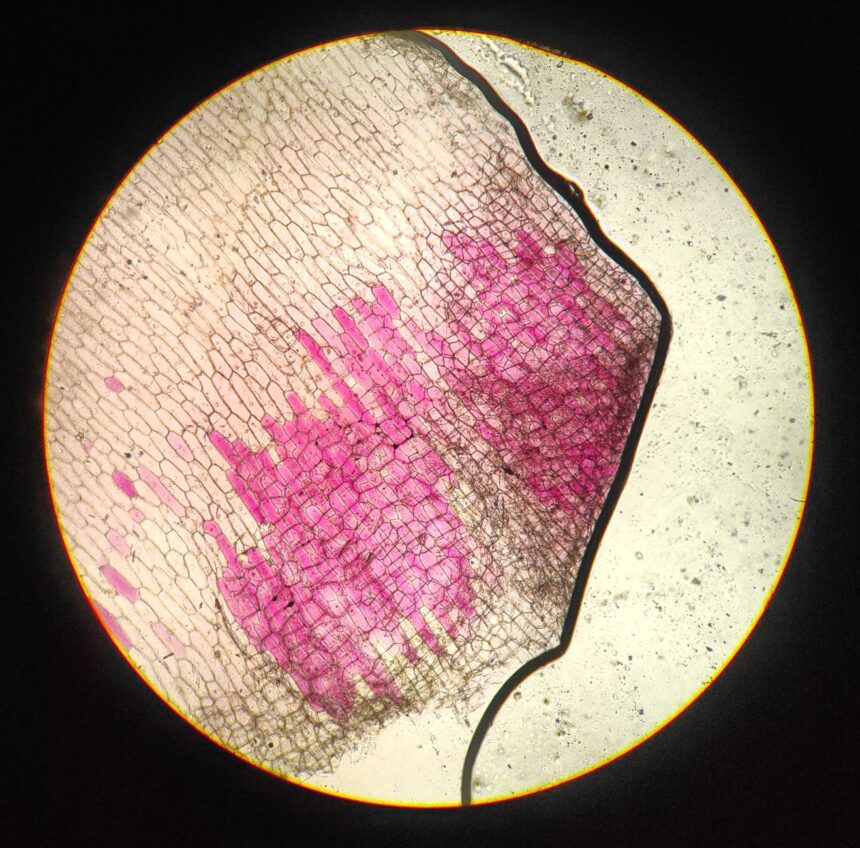
The human brain contains approximately 86 billion neurons, yet this massive neuronal population depends entirely on a sophisticated support system of astrocytes, microglia, and oligodendrocytes for survival and optimal function. Recent mechanistic analysis in Science Translational Medicine demonstrates that the strength and quality of cellular conversations between these glial cells and neurons directly determines cognitive resilience and vulnerability to inflammatory damage. Astrocytes regulate metabolic support and glutamate homeostasis, preventing excitotoxicity that impairs cognition. Microglia clear debris and release either pro-inflammatory mediators like IL-1β or regenerative signals depending on contextual cues. Oligodendrocytes maintain myelin integrity essential for efficient neural communication. The findings suggest that brain health outcomes depend less on neuronal quantity and more on the robustness of these glial support networks. Read the full article on GMJ Newsroom.
Was this article helpful?