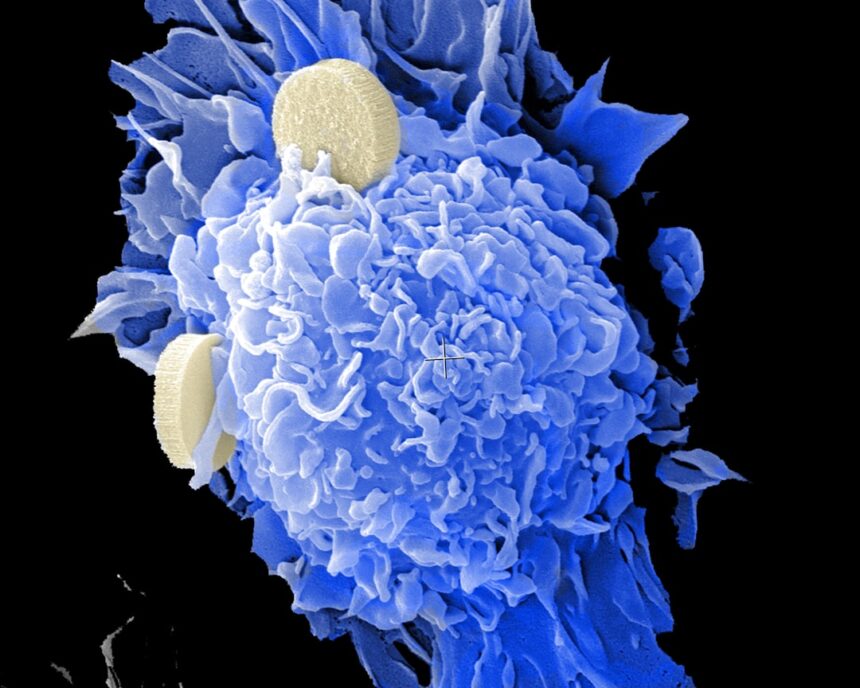
Prostate cancer aggressiveness is not determined by chance—it results from a predictable interplay of histological patterns, genetic alterations, and molecular markers that clinicians can now measure and act upon. The Gleason grading system remains foundational, but modern risk stratification has evolved significantly. Grade Groups (I through V) now provide superior prognostic accuracy compared to Gleason score alone, enabling clinicians to distinguish indolent tumours that may warrant active surveillance from aggressive variants requiring immediate multimodal intervention. Specific genetic mutations, particularly in PTEN, TP53, and BRCA2, correlate strongly with treatment resistance and metastatic potential. This genomic understanding represents a paradigm shift from observational pathology to precision oncology, allowing tailored treatment intensity that balances efficacy with quality of life. As molecular profiling becomes more accessible, individualizing prostate cancer management based on both grade and genetic profile is becoming standard practice.
Was this article helpful?