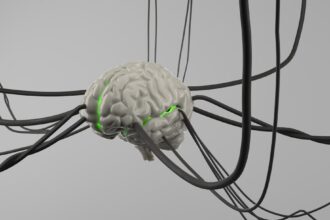
The human brain operates as the body’s most energy-intensive organ, consuming 20% of total energy expenditure in adults and reaching up to 50% in children around age 10. This extraordinary metabolic demand creates a critical dependency on adequate micronutrient supply, particularly B vitamins and omega-3 fatty acids. When nutritional deficiencies occur, cognitive function deteriorates rapidly, manifesting as confusion, memory impairment, and fatigue. Research demonstrates that deficiencies in B12, folate, thiamine, and riboflavin produce reversible cognitive symptoms, meaning early detection and nutritional repletion can restore neurological function. B vitamins regulate homocysteine metabolism, ATP production in mitochondria, and neurotransmitter synthesis—all essential processes for sustained brain performance. Understanding this metabolic interdependence between nutrition and cognition offers clinicians and patients a modifiable strategy for maintaining brain health across the lifespan.
Was this article helpful?
GMJ Brief · Announcement
📰 Read the full article: How B Vitamins and Micronutrients Power the Brain’s Energy System →