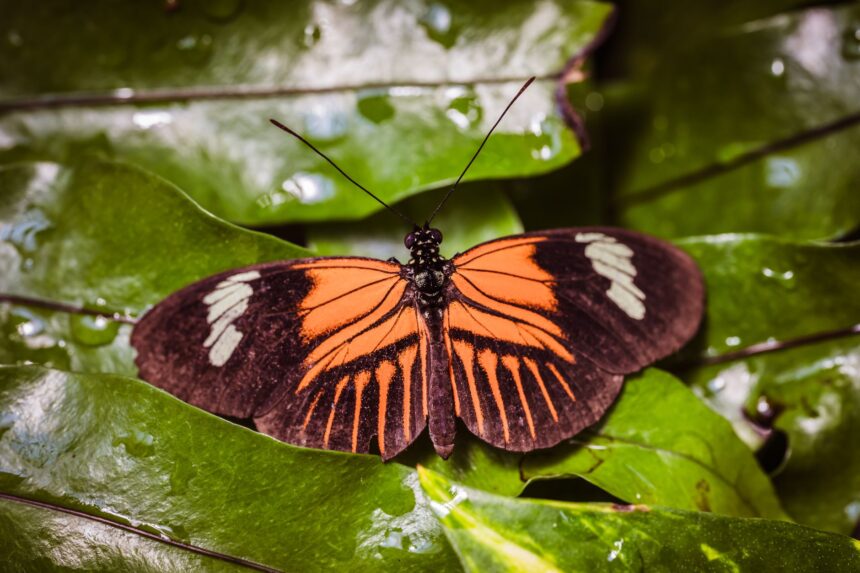
Scientists have identified an unexpected model for understanding human ageing: the Heliconius butterfly. These remarkable insects live several times longer than closely related species while maintaining minimal physical decline throughout their extended lifespans. Researchers attribute this longevity advantage to a combination of factors, including an unusual pollen-feeding diet that provides superior nutritional content compared to nectar-feeding relatives, alongside deeper evolutionary adaptations that optimise both lifespan duration and health quality during ageing. The discovery challenges conventional perspectives on senescence and suggests that natural longevity phenotypes in the animal kingdom may reveal conserved biological pathways applicable to human gerontology. By studying these organisms, scientists hope to identify specific mechanisms that could inform future interventions targeting age-related decline in humans.
Was this article helpful?