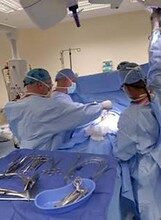
In a significant advancement for transplant medicine, CAR T-cell therapy—a technique previously limited to cancer treatment—has successfully enabled two patients with end-stage kidney disease to receive kidney transplants. Both patients were highly sensitized, meaning their immune systems had developed antibodies against the majority of potential donors, making traditional transplantation nearly impossible.
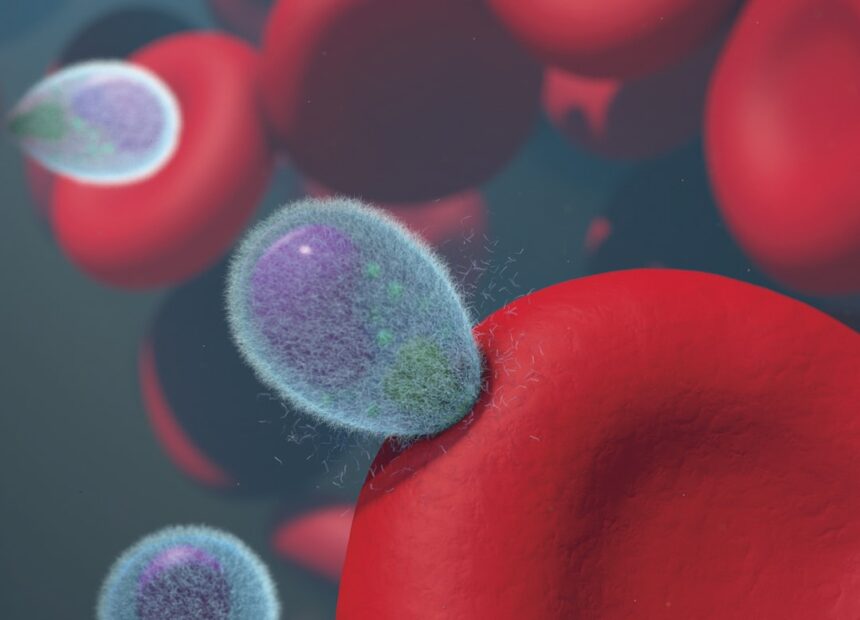
The experimental approach works by targeting and eliminating B cells that produce harmful antibodies against donor tissue. By reducing these antibody levels, the therapy transformed what were considered unsuitable donor matches into viable transplant opportunities. This breakthrough represents the first successful application of CAR T technology in solid organ transplantation, according to the National Institutes of Health.
Experts believe this innovation could fundamentally change outcomes for thousands of sensitized patients currently awaiting transplants, offering hope where few options previously existed.
Read the full article on GMJ Newsroom.

Was this article helpful?