By using this site, you agree to the Privacy Policy and Terms of Use.
Accept
GMJ NewsGMJ NewsGMJ News
  • Latest News
    • GMJ Briefs
  • Podcast & Media
    • Podcast Episodes
    • GMJ Audio
    • GMJ Videos
  • Research Digest
    • New Studies
    • Georgian Research
    • Data & Numbers
  • Policy & Systems
    • Health Policy
    • Quality & Safety
    • Migration & Health
    • Global Health
  • Practice
    • Clinical Updates
    • Case Discussions
    • Pharmacy & Prescribing
    • Ingredients A-Z
  • Perspectives
    • Editorial
    • Explainers
    • Voices
    • Letters
  • GMJ Articles
    • Vol. 1 Issue 2 (2026)
    • Vol. 1 Issue 1 (2026)
    • Pre-Launch Articles (2025)
  • Read the Journal →
  • About GMJ News
Notification Show More
Font ResizerAa
GMJ NewsGMJ News
Font ResizerAa
  • Latest News
    • GMJ Briefs
  • Podcast & Media
    • Podcast Episodes
    • GMJ Audio
    • GMJ Videos
  • Research Digest
    • New Studies
    • Georgian Research
    • Data & Numbers
  • Policy & Systems
    • Health Policy
    • Quality & Safety
    • Migration & Health
    • Global Health
  • Practice
    • Clinical Updates
    • Case Discussions
    • Pharmacy & Prescribing
    • Ingredients A-Z
  • Perspectives
    • Editorial
    • Explainers
    • Voices
    • Letters
  • GMJ Articles
    • Vol. 1 Issue 2 (2026)
    • Vol. 1 Issue 1 (2026)
    • Pre-Launch Articles (2025)
  • Read the Journal →
  • About GMJ News
Follow US
GMJ News > GMJ Briefs > Clinical Evidence Undermines Routine Vitamin C and Iron Supplement Pairing

Clinical Evidence Undermines Routine Vitamin C and Iron Supplement Pairing

GMJ
Last updated: 29/07/2026 03:30
By
Prof. Giorgi Pkhakadze
Share
1 Min Read
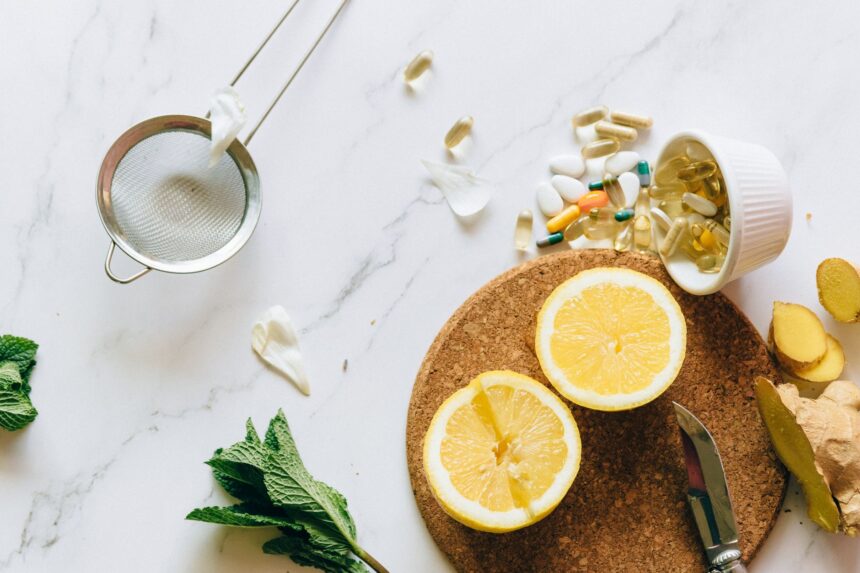
Medical chart comparing hemoglobin levels with and without vitamin C supplementation
Vitamin C enhances plant-based iron absorption through a well-documented biochemical mechanism, but clinical trials show it provides negligible benefit when added to ferrous iron supplements. A 2024 meta-analysis of 1,930 patients found hemoglobin increased by just 0.14 g/dL—too small to be clinically meaningful. — Photo by Nataliya Vaitkevich on Pexels (Pexels License)
SHARE
1 min read|138 words

A growing body of clinical evidence is challenging a deeply entrenched medical recommendation: pairing vitamin C with ferrous iron supplements for anemia treatment. While the biochemical rationale is sound—vitamin C does enhance the absorption of plant-based, non-heme iron by facilitating its conversion to ferrous form—a comprehensive 2024 meta-analysis reveals the practical benefit is negligible.

Researchers pooling data from 11 randomized controlled trials involving 1,930 patients with iron deficiency anemia found that adding vitamin C to ferrous iron supplements increased hemoglobin by only 0.14 g/dL compared to iron alone. This difference, described by the study authors as clinically insignificant, suggests that the standard recommendation warrants reconsideration. Since most oral iron medications already contain ferrous iron, the reduction step that vitamin C facilitates is unnecessary, rendering supplemental vitamin C redundant for pharmaceutical iron therapy.

Read the full article on GMJ Newsroom.

Was this article helpful?

GMJ Brief · Announcement

📰 Read the full article: Vitamin C and Iron Supplements: The Evidence Falls Short of the Hype →
Related reference
  • Iron supplements · Drug
  • Vitamin C · Ingredient
  • Iron · Ingredient
Share This Article
Facebook LinkedIn Bluesky Copy Link Print
GMJ
ByProf. Giorgi Pkhakadze
Follow:
Prof. Giorgi Pkhakadze, MD, MPH, PhD, is Editor-in-Chief of the Georgian Medical Journal and Chair of the Public Health Institute of Georgia (PHIG). He is Professor and Head of the Department of Social and Behavioural Sciences at David Tvildiani Medical University, and Secretary/Treasurer of the UEMS Section of Public Health. ORCID: 0000-0001-7609-4515.

Submit Your Paper →

Georgia's peer-reviewed open-access medical journal. No APC until January 2027.
Submit Manuscript →
Frozen and Canned Produce Offer Similar Nutritional Value to Fresh, Research Shows

Frozen and canned fruits and vegetables retain nutritional quality comparable to fresh…

Even Light Smoking Raises Heart Disease Risk by 50–60%, Study Shows—and Quitting Doesn’t Fully Reverse It

A pooled analysis of 302,522 adults in PLOS Medicine found that smoking…

Daily Peanut Consumption Reverses a Decade of Age-Related Brain Blood Flow Decline

Consuming 60 grams of skin-roasted peanuts daily improved cerebral blood flow by…

Submit Your Paper to GMJ

No APC until January 2027.
Submit Manuscript →

You Might Also Like

NHS Online hospital trust digital healthcare platform interface showing virtual consultation capabilities

NHS Achieves Historic Milestone: First-Ever Online Hospital Trust Launches With Integrated Digital Platform

By
Prof. Giorgi Pkhakadze
01/07/2026
Global HealthPolicy & Systems

CDC Reports 142 Ebola Cases in DRC Border Region as Uganda Confirms Cross-Border Transmission

By
Prof. Giorgi Pkhakadze
26/05/2026
American Diabetes Association annual convention with attendees and medical professionals

Five ADA Members Expelled During Convention: Data Points to Governance Concerns

By
Prof. Giorgi Pkhakadze
10/07/2026
Brain synaptic network illustration showing enhanced connectivity with combined nutrient approach

Takeaway: Why Nutrients Work Better Together: New Research Reveals Synaptic Benefits of Combined Nutrition

By
Prof. Giorgi Pkhakadze
26/06/2026
Facebook Twitter Youtube Instagram
Company
  • Privacy Policy
  • Contact US
  • GMJ Journal
  • Submit Manuscript
  • Editorial Team
  • Register at GMJ
  • Terms of Use

Subscribe to GMJ News — Click here

Join Community
© 2026 Georgian Medical Journal (GMJ). Published by the Public Health Institute of Georgia (PHIG). All rights reserved.
Welcome Back!

Sign in to your account

Username or Email Address
Password

Lost your password?

Not a member? Sign Up