By using this site, you agree to the Privacy Policy and Terms of Use.
Accept
GMJ NewsGMJ NewsGMJ News
  • Latest News
    • GMJ Briefs
  • Podcast & Media
    • Podcast Episodes
    • GMJ Audio
    • GMJ Videos
  • Research Digest
    • New Studies
    • Georgian Research
    • Data & Numbers
  • Policy & Systems
    • Health Policy
    • Quality & Safety
    • Migration & Health
    • Global Health
  • Practice
    • Clinical Updates
    • Case Discussions
    • Pharmacy & Prescribing
    • Ingredients A-Z
  • Perspectives
    • Editorial
    • Explainers
    • Voices
    • Letters
  • GMJ Articles
    • Vol. 1 Issue 2 (2026)
    • Vol. 1 Issue 1 (2026)
    • Pre-Launch Articles (2025)
  • Read the Journal →
  • About GMJ News
Notification Show More
Font ResizerAa
GMJ NewsGMJ News
Font ResizerAa
  • Latest News
    • GMJ Briefs
  • Podcast & Media
    • Podcast Episodes
    • GMJ Audio
    • GMJ Videos
  • Research Digest
    • New Studies
    • Georgian Research
    • Data & Numbers
  • Policy & Systems
    • Health Policy
    • Quality & Safety
    • Migration & Health
    • Global Health
  • Practice
    • Clinical Updates
    • Case Discussions
    • Pharmacy & Prescribing
    • Ingredients A-Z
  • Perspectives
    • Editorial
    • Explainers
    • Voices
    • Letters
  • GMJ Articles
    • Vol. 1 Issue 2 (2026)
    • Vol. 1 Issue 1 (2026)
    • Pre-Launch Articles (2025)
  • Read the Journal →
  • About GMJ News
Follow US
GMJ News > GMJ Briefs > Data Snapshot: Group Antenatal Care Boosts Prenatal Visit Completion by 45%

Data Snapshot: Group Antenatal Care Boosts Prenatal Visit Completion by 45%

GMJ
Last updated: 24/07/2026 22:52
By
Prof. Giorgi Pkhakadze
Share
1 Min Read
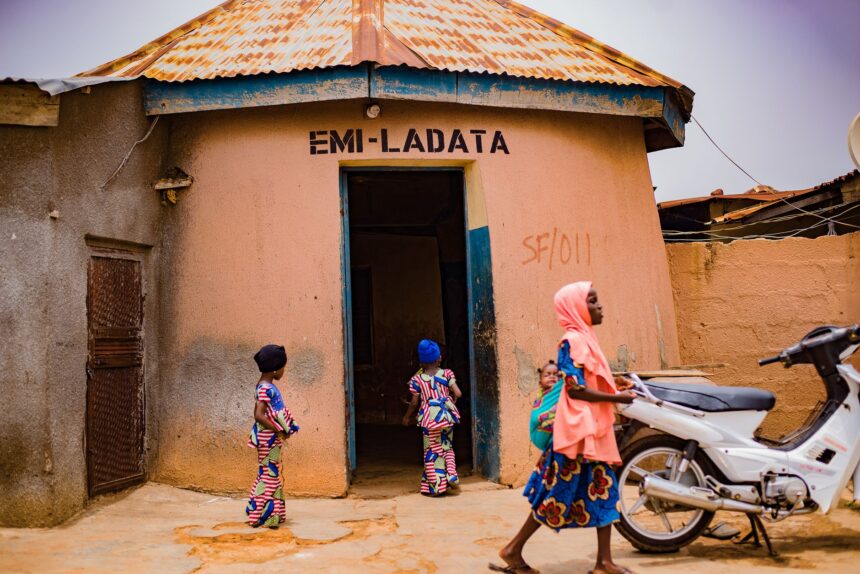
Infographic showing pooled risk ratios for group antenatal care outcomes in sub-Saharan Africa
A systematic review of 34 studies involving 42,234 women in sub-Saharan Africa found that group antenatal care increases prenatal visit attendance by 45% and postpartum family planning uptake by 85%, with improvements in birth weight outcomes and health literacy. However, evidence for reducing perinatal mortality remains limited. — Photo by Abubakar Ogaji on Pexels (Pexels License)
SHARE
1 min read|125 words

New evidence confirms the quantifiable impact of group antenatal care on maternal health engagement in resource-limited settings. A systematic review of 42,234 women across 34 sub-Saharan African studies, published in BMJ Global Health, reveals that women receiving group-based prenatal care were 1.45 times more likely to complete four or more recommended antenatal visits compared to those receiving standard individual care. This substantial improvement in attendance translates directly to increased clinical monitoring and health education exposure during pregnancy. The pooled analysis, conducted using robust meta-analytic methods, provides strong evidence supporting the adoption of group care models as a cost-effective intervention to strengthen antenatal care utilization. These findings have significant implications for maternal health policy and resource allocation in low- and middle-income settings. Read the full article on GMJ Newsroom.

Was this article helpful?

GMJ Brief · Key Finding

📰 Read the full article: Group antenatal care increases attendance and improves outcomes in sub-Saharan Africa, systematic review finds →

Share This Article
Facebook LinkedIn Bluesky Copy Link Print
GMJ
ByProf. Giorgi Pkhakadze
Follow:
Prof. Giorgi Pkhakadze, MD, MPH, PhD, is Editor-in-Chief of the Georgian Medical Journal and Chair of the Public Health Institute of Georgia (PHIG). He is Professor and Head of the Department of Social and Behavioural Sciences at David Tvildiani Medical University, and Secretary/Treasurer of the UEMS Section of Public Health. ORCID: 0000-0001-7609-4515.

Submit Your Paper →

Georgia's peer-reviewed open-access medical journal. No APC until January 2027.
Submit Manuscript →
Mitochondrial TCA Cycle Intermediates Emerge as Master Regulators of Cellular Function Beyond Energy Production

Mitochondrial TCA cycle intermediates function as master regulators of epigenetic state, immune…

The Citric Acid Cycle: How Cells Convert Food Into Energy

The citric acid cycle—Earth's most fundamental energy conversion process—occurs billions of times…

Astaxanthin’s unique membrane-spanning antioxidant action explained

Astaxanthin, a carotenoid pigment found in marine organisms, possesses a unique molecular…

Submit Your Paper to GMJ

No APC until January 2027.
Submit Manuscript →

You Might Also Like

Medical illustration showing pregnancy medication safety considerations and NSAID research

The Critical First Trimester: Why NSAID Safety Assessment Requires New Understanding

By
Prof. Giorgi Pkhakadze
30/06/2026
Infographic showing malnutrition statistics among Ecuadorian children by ethnicity

Ecuador’s Hidden Crisis: Nearly 3 in 4 Children Face Overlapping Malnutrition

By
Prof. Giorgi Pkhakadze
07/06/2026

SITUATION BRIEF: Ebola Cross-Border Transmission DRC-Uganda, PHEIC Declared

By
Prof. Giorgi Pkhakadze
31/05/2026

WHO and Brazil Push World Leaders to Finalize Global Pandemic Prevention Agreement

By
Prof. Giorgi Pkhakadze
17/06/2026
Facebook Twitter Youtube Instagram
Company
  • Privacy Policy
  • Contact US
  • GMJ Journal
  • Submit Manuscript
  • Editorial Team
  • Register at GMJ
  • Terms of Use

Subscribe to GMJ News — Click here

Join Community
© 2026 Georgian Medical Journal (GMJ). Published by the Public Health Institute of Georgia (PHIG). All rights reserved.
Welcome Back!

Sign in to your account

Username or Email Address
Password

Lost your password?

Not a member? Sign Up