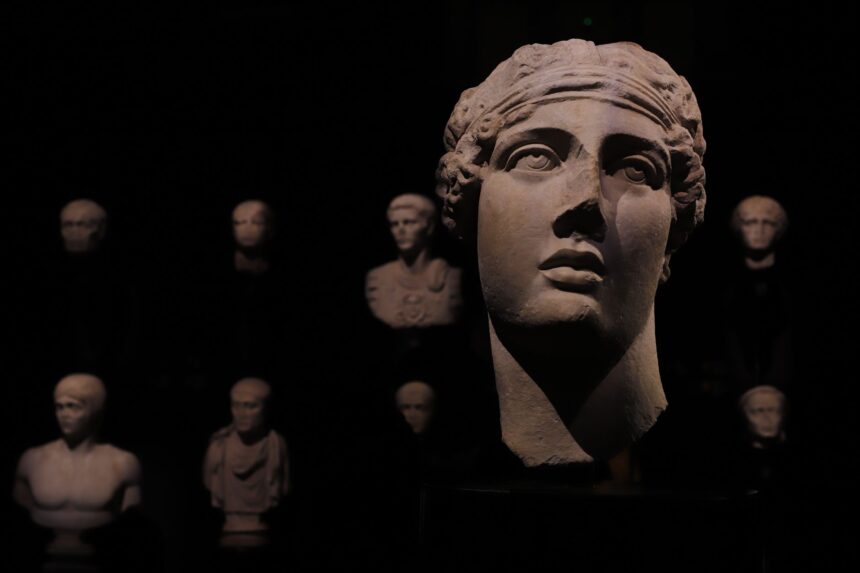
Historical documentation provides compelling evidence of gender-nonconforming individuals across ancient Egypt, Mesopotamia, Greece, and Rome—spanning multiple millennia and diverse geographic regions. Egyptian temple records and artistic depictions reference individuals called “sekhet,” while Mesopotamian texts document figures occupying gender-nonconforming roles in religious contexts. Greek historical sources record individuals who adopted social roles and dress associated with genders different from their assigned status, and Roman chronicles similarly contain references to those living outside conventional gender categories.
This widespread documentation across geographically and temporally distinct civilizations suggests that gender variance represents a consistent aspect of human society rather than a modern phenomenon. The consistency of evidence across these independent ancient cultures provides robust historical grounding for understanding gender diversity as a persistent feature of human civilization. These findings establish a foundation for examining how different societies have conceptualized and responded to gender-nonconforming individuals throughout history.
Read the full article on GMJ Newsroom.
Was this article helpful?