By using this site, you agree to the Privacy Policy and Terms of Use.
Accept
GMJ NewsGMJ NewsGMJ News
  • Latest News
    • GMJ Briefs
  • Podcast & Media
    • Podcast Episodes
    • GMJ Audio
    • GMJ Videos
  • Research Digest
    • New Studies
    • Georgian Research
    • Data & Numbers
  • Policy & Systems
    • Health Policy
    • Quality & Safety
    • Migration & Health
    • Global Health
  • Practice
    • Clinical Updates
    • Case Discussions
    • Pharmacy & Prescribing
    • Ingredients A-Z
  • Perspectives
    • Editorial
    • Explainers
    • Voices
    • Letters
  • GMJ Articles
    • Vol. 1 Issue 2 (2026)
    • Vol. 1 Issue 1 (2026)
    • Pre-Launch Articles (2025)
  • Read the Journal →
  • About GMJ News
Notification Show More
Font ResizerAa
GMJ NewsGMJ News
Font ResizerAa
  • Latest News
    • GMJ Briefs
  • Podcast & Media
    • Podcast Episodes
    • GMJ Audio
    • GMJ Videos
  • Research Digest
    • New Studies
    • Georgian Research
    • Data & Numbers
  • Policy & Systems
    • Health Policy
    • Quality & Safety
    • Migration & Health
    • Global Health
  • Practice
    • Clinical Updates
    • Case Discussions
    • Pharmacy & Prescribing
    • Ingredients A-Z
  • Perspectives
    • Editorial
    • Explainers
    • Voices
    • Letters
  • GMJ Articles
    • Vol. 1 Issue 2 (2026)
    • Vol. 1 Issue 1 (2026)
    • Pre-Launch Articles (2025)
  • Read the Journal →
  • About GMJ News
Follow US
GMJ News > GMJ Briefs > Data Alert: 1 Billion Children Exposed to Compounding Climate Hazards

Data Alert: 1 Billion Children Exposed to Compounding Climate Hazards

GMJ
Last updated: 25/07/2026 11:52
By
Prof. Giorgi Pkhakadze
Share
1 Min Read
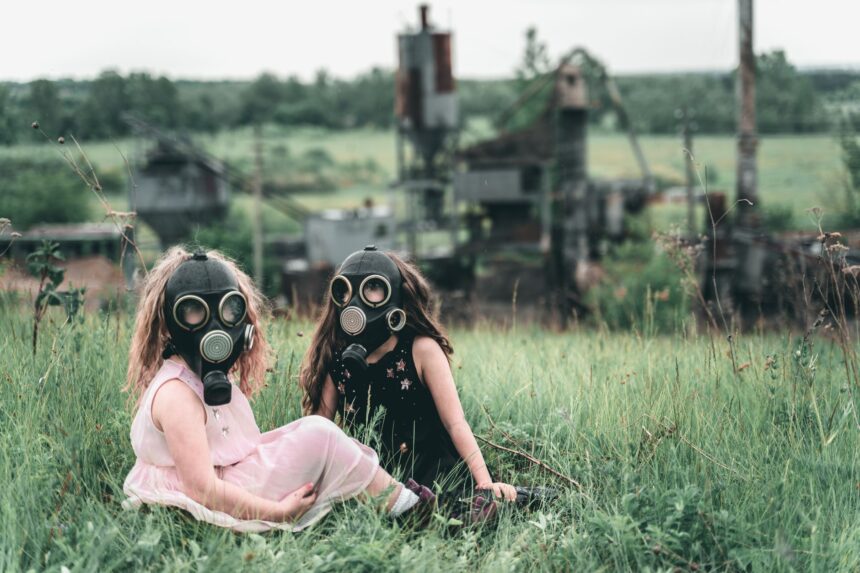
Global map showing regions of high child vulnerability to multiple climate hazards
UNICEF warns that over 1 billion children face three or more overlapping climate hazards simultaneously, with unequal exposure concentrating risk in low- and middle-income regions vulnerable to heat stress, flooding, drought, and air pollution combined. — Photo by Ilya Perelude on Pexels (Pexels License)
SHARE
1 min read|124 words

According to UNICEF’s June 2026 assessment, 1 billion children globally face exposure to three or more overlapping climate hazards at the same time. This statistic underscores a critical public health concern: climate stressors do not act in isolation but compound one another, amplifying health risks beyond what single-hazard exposure would produce.

When children simultaneously experience heat stress, water scarcity, flooding, drought, or air pollution, the physiological burden becomes multiplicative. Such multi-hazard exposure significantly elevates risks of respiratory disease, waterborne illness, malnutrition, and heat-related mortality. The finding is particularly concerning for low- and middle-income countries, where healthcare systems, water treatment infrastructure, and early warning networks often lack the capacity to respond effectively to single stressors, let alone compounded climate threats.

Read the full article on GMJ Newsroom.

Was this article helpful?

GMJ Brief · Key Finding

📰 Read the full article: 1 billion children exposed to multiple climate hazards simultaneously, UNICEF warns →

Related reference
  • SAMe · Ingredient
Share This Article
Facebook LinkedIn Bluesky Copy Link Print
GMJ
ByProf. Giorgi Pkhakadze
Follow:
Prof. Giorgi Pkhakadze, MD, MPH, PhD, is Editor-in-Chief of the Georgian Medical Journal and Chair of the Public Health Institute of Georgia (PHIG). He is Professor and Head of the Department of Social and Behavioural Sciences at David Tvildiani Medical University, and Secretary/Treasurer of the UEMS Section of Public Health. ORCID: 0000-0001-7609-4515.

Submit Your Paper →

Georgia's peer-reviewed open-access medical journal. No APC until January 2027.
Submit Manuscript →
How Vitamins and Minerals Power Brain Chemistry: The Neurotransmitter Connection

Vitamins B6, B12, folate, and minerals including zinc, magnesium, and iron function…

Beyond Neurons: How Brain’s Supporting Cells Drive Inflammation and Cognitive Resilience

The brain's health depends on more than neurons alone. A complex cellular…

How Your Immune System Learns and Remembers: The Dual Defence Strategy

Your immune system operates through two coordinated mechanisms: innate immunity provides immediate…

Submit Your Paper to GMJ

No APC until January 2027.
Submit Manuscript →

You Might Also Like

Global HealthPolicy & Systems

WHO Declares International Emergency as Ebola Crosses from DRC into Uganda

By
Prof. Giorgi Pkhakadze
31/05/2026
Global HealthPolicy & Systems

WHO Declares Public Health Emergency as Ebola Outbreak Spreads Beyond Democratic Republic of Congo

By
Prof. Giorgi Pkhakadze
31/05/2026

EBOLA OUTBREAK – DRC/UGANDA CROSS-BORDER TRANSMISSION – PHEIC DECLARED

By
Prof. Giorgi Pkhakadze
31/05/2026
Healthcare surveillance monitoring pneumococcal disease trends in Belgium

What Belgian Pneumococcal Data Means for European Public Health Policy and Surveillance

By
Prof. Giorgi Pkhakadze
08/07/2026
Facebook Twitter Youtube Instagram
Company
  • Privacy Policy
  • Contact US
  • GMJ Journal
  • Submit Manuscript
  • Editorial Team
  • Register at GMJ
  • Terms of Use

Subscribe to GMJ News — Click here

Join Community
© 2026 Georgian Medical Journal (GMJ). Published by the Public Health Institute of Georgia (PHIG). All rights reserved.
Welcome Back!

Sign in to your account

Username or Email Address
Password

Lost your password?

Not a member? Sign Up