By using this site, you agree to the Privacy Policy and Terms of Use.
Accept
GMJ NewsGMJ NewsGMJ News
  • Latest News
    • GMJ Briefs
  • Podcast & Media
    • Podcast Episodes
    • GMJ Audio
    • GMJ Videos
  • Research Digest
    • New Studies
    • Georgian Research
    • Data & Numbers
  • Policy & Systems
    • Health Policy
    • Quality & Safety
    • Migration & Health
    • Global Health
  • Practice
    • Clinical Updates
    • Case Discussions
    • Pharmacy & Prescribing
    • Ingredients A-Z
  • Perspectives
    • Editorial
    • Explainers
    • Voices
    • Letters
  • Health Topics
    • Diabetes
    • Cancer
    • Cardiovascular
    • Mental Health
    • Vaccines
    • Supplements
    • Migration & Health
    • Patient Safety & Accreditation
    • Occupational Safety and Health
  • GMJ Articles
    • Vol. 1 Issue 2 (2026)
    • Vol. 1 Issue 1 (2026)
    • Pre-Launch Articles (2025)
  • Read the Journal →
  • About GMJ News
Notification Show More
Font ResizerAa
GMJ NewsGMJ News
Font ResizerAa
  • Latest News
    • GMJ Briefs
  • Podcast & Media
    • Podcast Episodes
    • GMJ Audio
    • GMJ Videos
  • Research Digest
    • New Studies
    • Georgian Research
    • Data & Numbers
  • Policy & Systems
    • Health Policy
    • Quality & Safety
    • Migration & Health
    • Global Health
  • Practice
    • Clinical Updates
    • Case Discussions
    • Pharmacy & Prescribing
    • Ingredients A-Z
  • Perspectives
    • Editorial
    • Explainers
    • Voices
    • Letters
  • Health Topics
    • Diabetes
    • Cancer
    • Cardiovascular
    • Mental Health
    • Vaccines
    • Supplements
    • Migration & Health
    • Patient Safety & Accreditation
    • Occupational Safety and Health
  • GMJ Articles
    • Vol. 1 Issue 2 (2026)
    • Vol. 1 Issue 1 (2026)
    • Pre-Launch Articles (2025)
  • Read the Journal →
  • About GMJ News
Follow US
GMJ News > GMJ Briefs > Exercise Increases Urinary Zinc Loss by Up to 40%, New Guidelines Reflect

Exercise Increases Urinary Zinc Loss by Up to 40%, New Guidelines Reflect

GMJ
Last updated: 09/08/2026 03:30
By
Prof. Giorgi Pkhakadze
Share
1 Min Read
Diagram showing five pathways of zinc loss in athletes: GI secretion, sweat, skin turnover, urine, and semen, with comparative daily amounts in mg
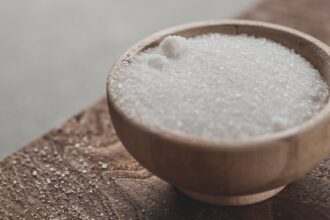
The human body stores only ~2 grams of zinc with no physiological reserve. Athletes engaged in intense training lose 20–40% more zinc through urine than sedentary individuals, yet standard dietary recommendations do not account for this. The Institute of Medicine's military committee recommends 15 mg daily for active individuals—36% above the civilian RDA. — Photo by Andrea Piacquadio on Pexels (Pexels License)
SHARE
1 min read|130 words

A landmark evidence review by the Institute of Medicine’s military committee (2006) quantified a striking finding: exercise increases urinary zinc loss by 20–40% above baseline rates. This discovery prompted a significant revision to dietary recommendations for active populations.

Based on these findings, the military committee established a new standard of 15 mg per day for athletes and active individuals—36% higher than the civilian RDA of 11 mg. The increase acknowledges that standard guidelines were developed without accounting for the metabolic and physiological stressors of regular training.

This gap between civilian and military recommendations highlights an important oversight in current nutritional guidance. For competitive athletes and regular trainers, the data suggests that meeting civilian RDA targets may leave them in a state of chronic zinc insufficiency, potentially compromising immune function, wound healing, and athletic performance.

Was this article helpful?

GMJ Brief · Key Finding

📰 Read the full article: Zinc depletion in athletes: why the standard RDA falls short during training →

Related reference
  • Zinc · Ingredient
Share This Article
Facebook LinkedIn Bluesky Copy Link Print
GMJ
ByProf. Giorgi Pkhakadze
Follow:
Prof. Giorgi Pkhakadze, MD, MPH, PhD, is Editor-in-Chief of the Georgian Medical Journal and Chair of the Public Health Institute of Georgia (PHIG). He is Professor and Head of the Department of Social and Behavioural Sciences at David Tvildiani Medical University, and Secretary/Treasurer of the UEMS Section of Public Health. ORCID: 0000-0001-7609-4515.

Submit Your Paper →

Georgia's peer-reviewed open-access medical journal. No APC until January 2027.
Submit Manuscript →
Federal Judge Blocks Subpoenas Targeting Transgender Patient Records at New York Hospitals

A federal judge temporarily blocked prosecutors from accessing transgender patient medical records…

U.S. Healthcare Spending Surged 7.3% in 2025, Driven by GLP-1 Adoption and Increased Care Utilization

U.S. healthcare spending surged 7.3% to approximately $6 trillion in 2025, driven…

Brain imaging reveals speech learning depends on sensory processing, not motor control alone

A June 2026 neuroimaging study challenges conventional speech neuroscience, revealing that auditory…

Submit Your Paper to GMJ

No APC until January 2027.
Submit Manuscript →

You Might Also Like

Comparison chart showing thiamine deficiency rates in heart failure patients versus healthy controls

By the Numbers: Thiamine Depletion in Heart Failure Exceeds Control Populations Threefold

By
Prof. Giorgi Pkhakadze
02/08/2026

EBOLA OUTBREAK – DRC/UGANDA CROSS-BORDER TRANSMISSION – PHEIC DECLARED

By
Prof. Giorgi Pkhakadze
31/05/2026
Medical chart showing STI prevalence rates among HIV-positive patients in China

Three Critical Takeaways From China’s Definitive HIV-STI Study for Clinical Practice

By
Prof. Giorgi Pkhakadze
24/06/2026
Microscopic view of lab-grown brain organoids showing neural connections and regenerating nerve fibers

Thyroid Hormone Therapy Achieves 10-Fold Nerve Regrowth in Human Brain Models

By
Prof. Giorgi Pkhakadze
12/06/2026
Facebook Twitter Youtube Instagram
Company
  • Privacy Policy
  • Contact US
  • GMJ Journal
  • Submit Manuscript
  • Editorial Team
  • Register at GMJ
  • Terms of Use

Subscribe to GMJ News — Click here

Join Community
© 2026 Georgian Medical Journal (GMJ). Published by the Public Health Institute of Georgia (PHIG). All rights reserved.
Welcome Back!

Sign in to your account

Username or Email Address
Password

Lost your password?

Not a member? Sign Up