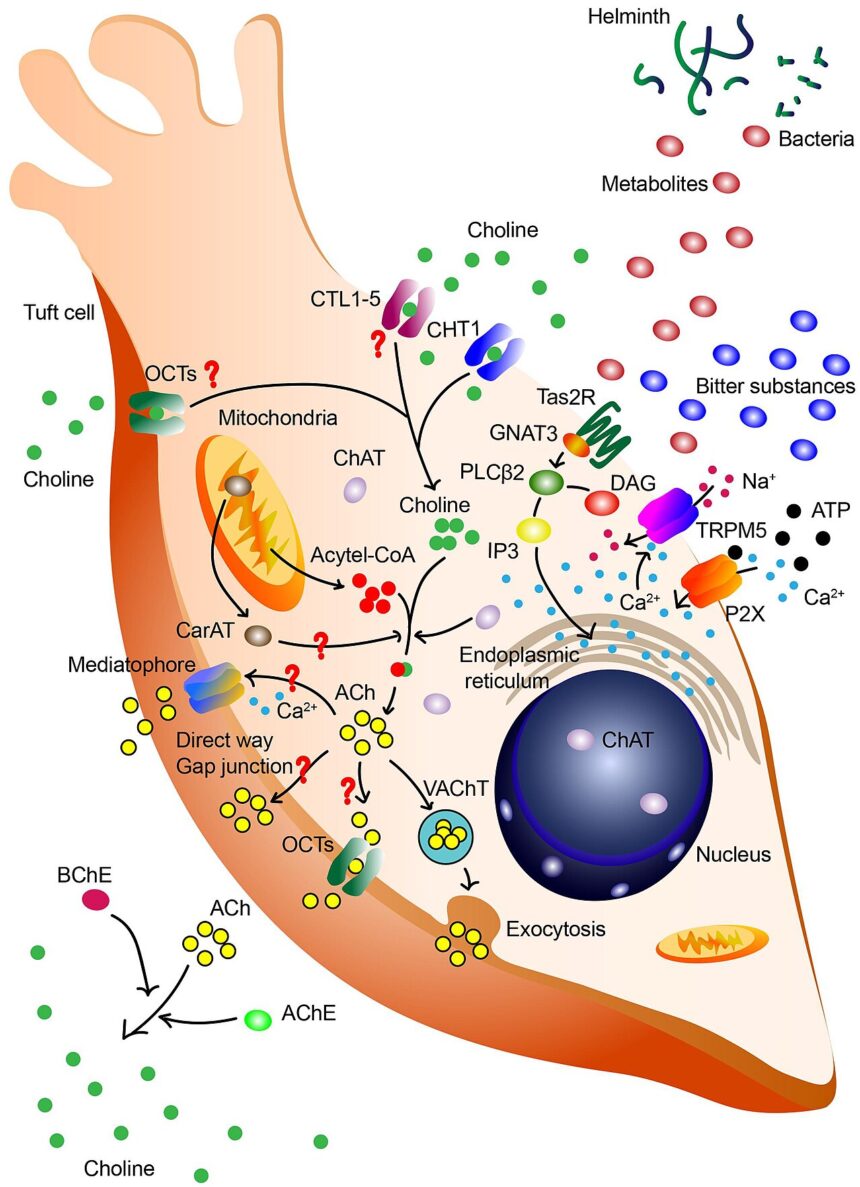
A comprehensive analysis by Martínez-Reyes and Chandel in Nature Communications identifies five citric acid cycle intermediates as master regulators of immune function and cancer susceptibility—challenging the traditional view of mitochondrial metabolism as purely energetic.
Acetyl-CoA, α-ketoglutarate, itaconate, succinate, and fumarate control cellular behavior through epigenetic and signaling mechanisms rather than ATP production alone. These metabolites directly influence histone modifications, gene expression patterns, and immune cell differentiation. Notably, itaconate has emerged as a critical immunometabolite regulating macrophage responses, while succinate and fumarate dysregulation promotes tumorigenesis.
This mechanistic understanding opens new therapeutic avenues in immunology and oncology, suggesting that optimizing mitochondrial metabolite signaling through exercise, nutritional support, and metabolic interventions may enhance immune tolerance and reduce cancer risk. Read the full article on GMJ Newsroom.
Was this article helpful?