By using this site, you agree to the Privacy Policy and Terms of Use.
Accept
GMJ NewsGMJ NewsGMJ News
  • Latest News
    • GMJ Briefs
  • Podcast & Media
    • Podcast Episodes
    • GMJ Audio
    • GMJ Videos
  • Research Digest
    • New Studies
    • Georgian Research
    • Data & Numbers
  • Policy & Systems
    • Health Policy
    • Quality & Safety
    • Migration & Health
    • Global Health
  • Practice
    • Clinical Updates
    • Case Discussions
    • Pharmacy & Prescribing
    • Ingredients A-Z
  • Perspectives
    • Editorial
    • Explainers
    • Voices
    • Letters
  • GMJ Articles
    • Vol. 1 Issue 2 (2026)
    • Vol. 1 Issue 1 (2026)
    • Pre-Launch Articles (2025)
  • Read the Journal →
  • About GMJ News
Notification Show More
Font ResizerAa
GMJ NewsGMJ News
Font ResizerAa
  • Latest News
    • GMJ Briefs
  • Podcast & Media
    • Podcast Episodes
    • GMJ Audio
    • GMJ Videos
  • Research Digest
    • New Studies
    • Georgian Research
    • Data & Numbers
  • Policy & Systems
    • Health Policy
    • Quality & Safety
    • Migration & Health
    • Global Health
  • Practice
    • Clinical Updates
    • Case Discussions
    • Pharmacy & Prescribing
    • Ingredients A-Z
  • Perspectives
    • Editorial
    • Explainers
    • Voices
    • Letters
  • GMJ Articles
    • Vol. 1 Issue 2 (2026)
    • Vol. 1 Issue 1 (2026)
    • Pre-Launch Articles (2025)
  • Read the Journal →
  • About GMJ News
Follow US
GMJ News > GMJ Briefs > Storm Systems Reshape Dengue Risk: Climate-Informed Preparedness Essential

Storm Systems Reshape Dengue Risk: Climate-Informed Preparedness Essential

GMJ
Last updated: 17/07/2026 21:52
By
Prof. Giorgi Pkhakadze
Share
1 Min Read
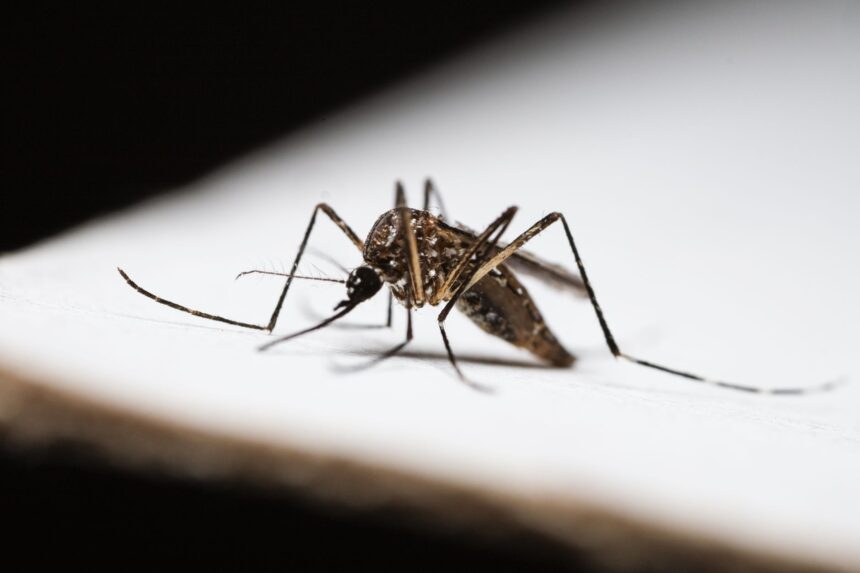
Aedes albopictus mosquito and typhoon weather pattern overlay showing transmission amplification
Field experiments in Guangzhou show that tropical cyclones increase dengue-transmitting mosquito flight distance by 63% and human contact rates by 30%, driving outbreaks that cost millions. Enhanced vector control during cyclone forecasts could avert tens of thousands of cases. — Photo by Ignacio Vazquez on Pexels (Pexels License)
SHARE
1 min read|122 words

Tropical cyclones significantly amplify dengue transmission through mechanisms that extend far beyond rainfall and flooding, according to integrated field research published in BMJ Global Health. Scientists conducting mark-release-recapture experiments in Guangzhou, China discovered that typhoons increase Aedes albopictus mosquito flight distance by 63% and boost human-mosquito contact rates by 30.1%. These behavioral shifts during cyclone events create ideal conditions for rapid disease spread. Typhoon Kalmaegi in 2014 was associated with an estimated 5,131 excess dengue cases in Guangzhou, translating to US$1.93 million in preventable healthcare costs. The findings underscore the urgent need for climate-informed outbreak prediction systems and proactive vector control strategies in cyclone-prone regions. Early intervention during tropical cyclone forecasts could avert tens of thousands of cases and substantially reduce economic burden on health systems.

Was this article helpful?

GMJ Brief · Announcement

📰 Read the full article: Tropical Cyclones Dramatically Amplify Dengue Transmission, Study Finds →

Share This Article
Facebook LinkedIn Bluesky Copy Link Print
GMJ
ByProf. Giorgi Pkhakadze
Follow:
Prof. Giorgi Pkhakadze, MD, MPH, PhD, is Editor-in-Chief of the Georgian Medical Journal and Chair of the Public Health Institute of Georgia (PHIG). He is Professor and Head of the Department of Social and Behavioural Sciences at David Tvildiani Medical University, and Secretary/Treasurer of the UEMS Section of Public Health. ORCID: 0000-0001-7609-4515.

Submit Your Paper →

Georgia's peer-reviewed open-access medical journal. No APC until January 2027.
Submit Manuscript →
Evidence-Based Hydration Protocol: How Much Fluid and Sodium Athletes Actually Need

An evidence-based hydration protocol establishes clear targets for fluid and electrolyte intake:…

Resistance Training Protects Brain Health Through Multiple Pathways, Research Shows

Resistance training activates seven biological pathways that protect brain health and reduce…

Coffee and Heart Health: New 2025 Evidence Reshapes Clinical Guidance

New 2025 evidence reshapes clinical guidance on coffee consumption and heart health,…

Submit Your Paper to GMJ

No APC until January 2027.
Submit Manuscript →

You Might Also Like

Policy & SystemsQuality & Safety

Medline Corrects Convenience Kits After FDA Issues Recall for Bupivacaine Injection

By
Prof. Giorgi Pkhakadze
13/06/2026
Person practicing mindfulness meditation for emotional regulation in peaceful setting

Clinical Psychology Research Identifies Effective Emotional Regulation Strategies for Daily Mental Health

By
Prof. Giorgi Pkhakadze
13/07/2026
Medical professional preparing enhanced flu vaccine for older adult patient

MHRA Authorizes Adjuvanted Flu Vaccine to Combat Age-Related Immune Decline

By
Prof. Giorgi Pkhakadze
22/06/2026
Health PolicyPolicy & Systems

WHO Director General Search Opens Amid Unprecedented Global Health Authority Crisis

By
Prof. Giorgi Pkhakadze
26/05/2026
Facebook Twitter Youtube Instagram
Company
  • Privacy Policy
  • Contact US
  • GMJ Journal
  • Submit Manuscript
  • Editorial Team
  • Register at GMJ
  • Terms of Use

Subscribe to GMJ News — Click here

Join Community
© 2026 Georgian Medical Journal (GMJ). Published by the Public Health Institute of Georgia (PHIG). All rights reserved.
Welcome Back!

Sign in to your account

Username or Email Address
Password

Lost your password?

Not a member? Sign Up