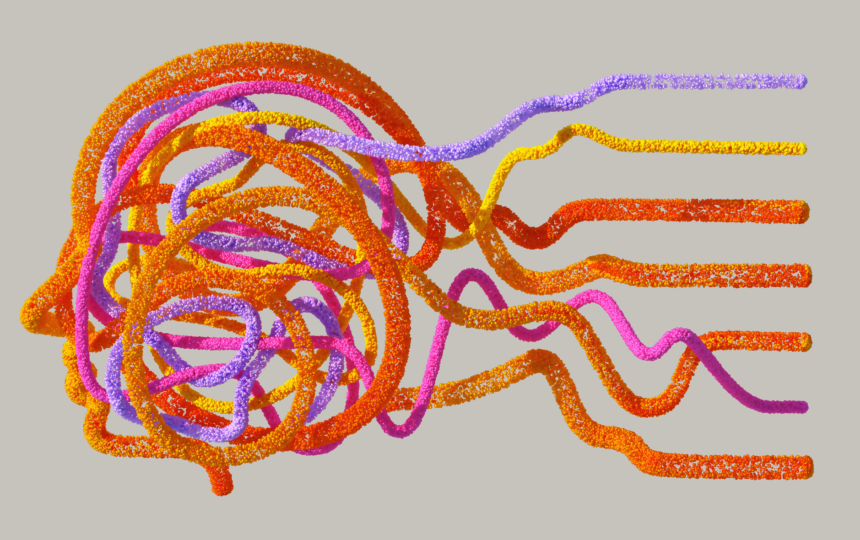
Recent neuroscience research has identified four distinct signalling pathways through which gut bacteria communicate with the brain, offering new insights into the biological mechanisms underlying depression, anxiety, and cognitive dysfunction. The gut microbiota influences central nervous system function via neural signalling through the vagus nerve, endocrine regulation of stress hormones, immune modulation through cytokine production, and metabolic pathways involving microbial metabolites. These interconnected systems work synergistically, meaning disruption in any single pathway can compromise overall brain-gut communication. According to editorially reviewed research, dysbiosis—an imbalance in microbial communities—can alter neurotransmitter production, stress responses, and inflammatory pathways, potentially contributing to neuropsychiatric conditions. Understanding these mechanisms may fundamentally change how clinicians approach mental health treatment and preventive care. Read the full article on GMJ Newsroom.
Was this article helpful?