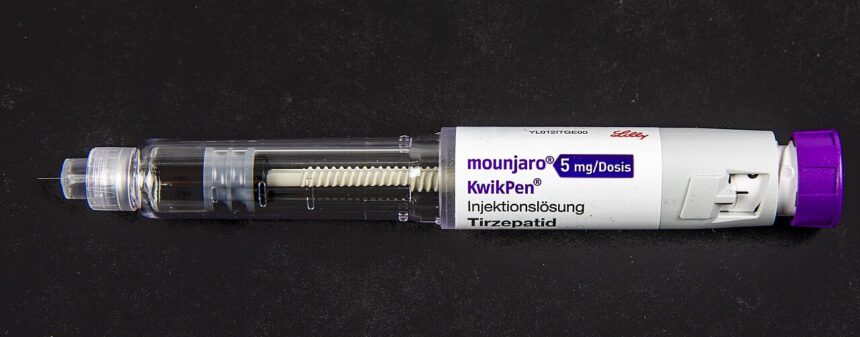
Emerging evidence continues to expand the therapeutic potential of GLP-1 receptor agonists beyond their original indication for blood glucose management. A new observational analysis published in the Journal of the American Heart Association reveals that these medications provide significant protection against serious complications in type 2 diabetes patients with peripheral artery disease (PAD).
The research demonstrates substantial reductions in all-cause mortality, lower extremity amputations, and hospitalizations among GLP-1 users compared to non-users. These findings suggest that GLP-1 receptor agonists may exert direct protective effects on peripheral vascular tissue, addressing one of the most devastating complications of advanced diabetes. The multi-organ benefits of this medication class underscore the importance of considering GLP-1 therapy in high-risk patient populations with both metabolic and cardiovascular disease.
Read the full article on GMJ Newsroom.
Was this article helpful?