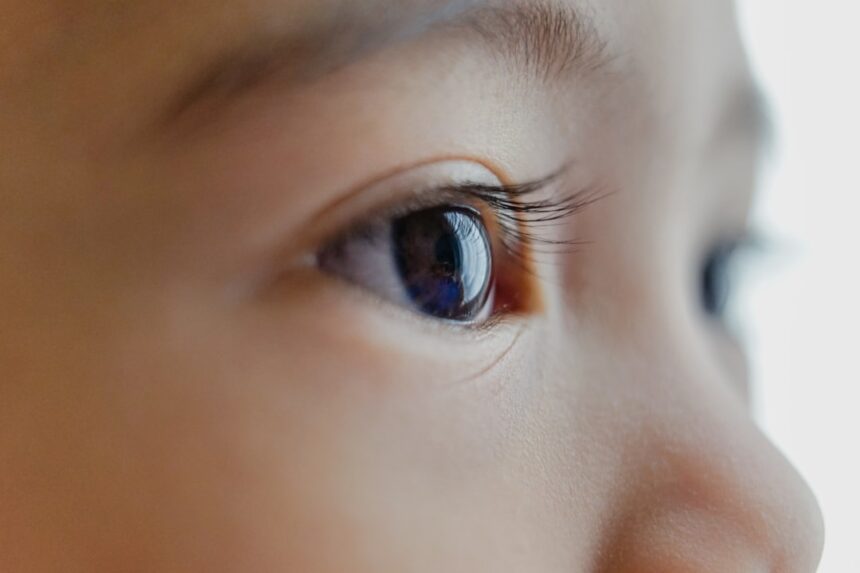
A groundbreaking eye-tracking study has unveiled a critical discovery: depression fundamentally alters how children perceive and process emotional expressions in others’ faces. The research demonstrates that this neurobiological shift is significantly modulated by family history, revealing two distinct patterns based on genetic vulnerability. Children with higher inherited risk for depression exhibited heightened visual attention to sad facial expressions, while those with lower genetic predisposition showed paradoxical reduced attention to happy faces. These findings suggest that depression’s impact on emotion processing is not uniform across all children but rather depends on underlying genetic factors that determine vulnerability. Researchers believe these measurable attention patterns could revolutionize childhood depression screening, enabling earlier intervention in at-risk populations before symptoms fully manifest. Read the full article on GMJ Newsroom.
Was this article helpful?