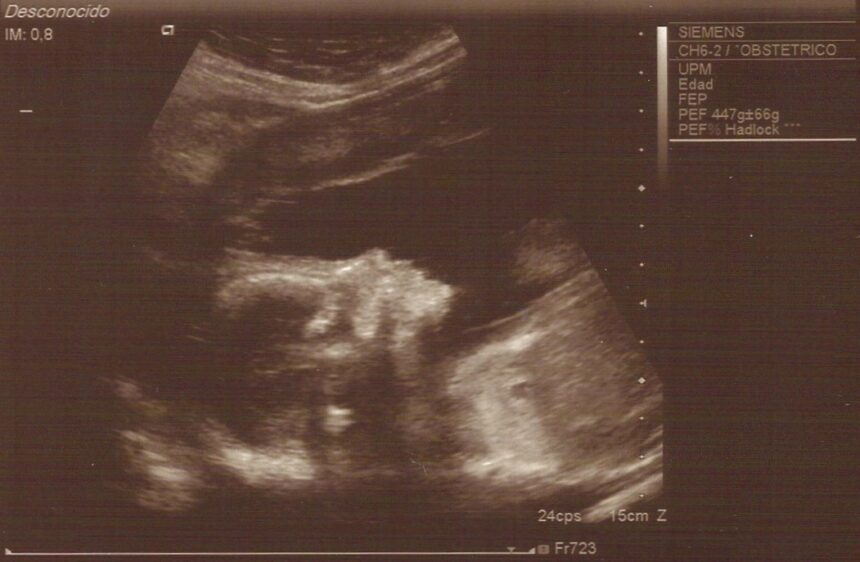
Immigration restrictions in the United States are functioning as a measurable social determinant of health, directly limiting prenatal care access for undocumented women and reshaping family health outcomes across vulnerable communities. Research demonstrates that policy-level barriers operate alongside clinical and systemic factors to influence maternal health trajectories, with cascading effects extending beyond individual pregnancies to population-level health equity.
Healthcare access limitations rooted in immigration policy are forcing difficult decisions at critical moments in pregnancy and early childhood. Evidence shows that undocumented women face documented constraints on healthcare access during prenatal screening, delivery planning, and postpartum care. These policy-driven gaps affect not only individual families but also broader public health infrastructure and community health outcomes. Understanding immigration policy as a health determinant is essential for clinicians and policymakers addressing maternal and child health equity.
Was this article helpful?
GMJ Brief · Announcement
📰 Read the full article: How US immigration policy shapes maternal and child health outcomes →