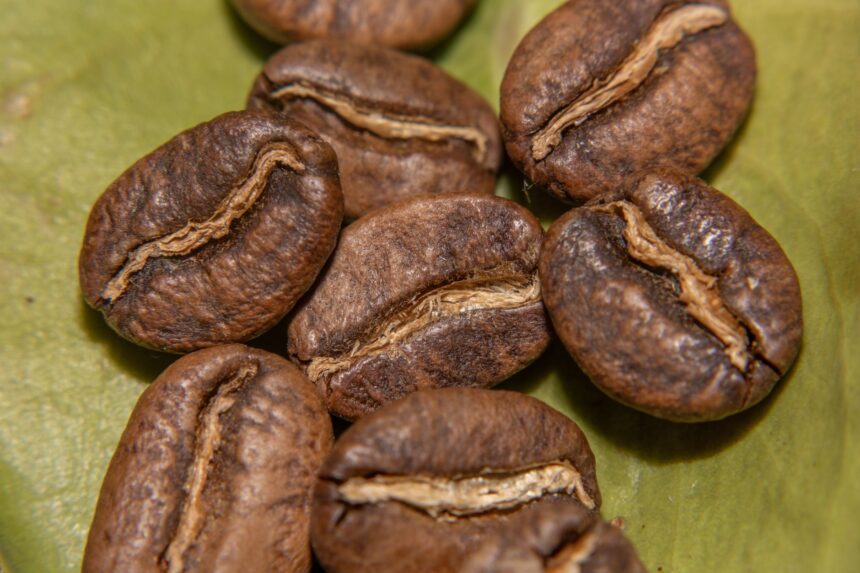
A comprehensive analysis of coffee chemistry reveals striking differences in chlorogenic acid concentration across roast levels. Light roast coffee delivers 8.0 mg/g of chlorogenic acids, compared to 6.56 mg/g in medium roast and just 4.35 mg/g in dark roast—a substantial 46% reduction from lightest to darkest preparation.
Chlorogenic acids represent the primary polyphenolic compounds in coffee associated with carbohydrate metabolism and endothelial function. This significant variance in concentration means roast selection directly determines which bioactive compounds reach consumers’ cups.
The data highlights an important consideration for individuals seeking maximum chlorogenic acid intake for glucose control and cardiovascular support: light roast preparations offer nearly twice the concentration of these plant compounds compared to traditional dark roasts. Understanding these quantitative differences enables informed dietary choices.
Read the full article on GMJ Newsroom.

Was this article helpful?