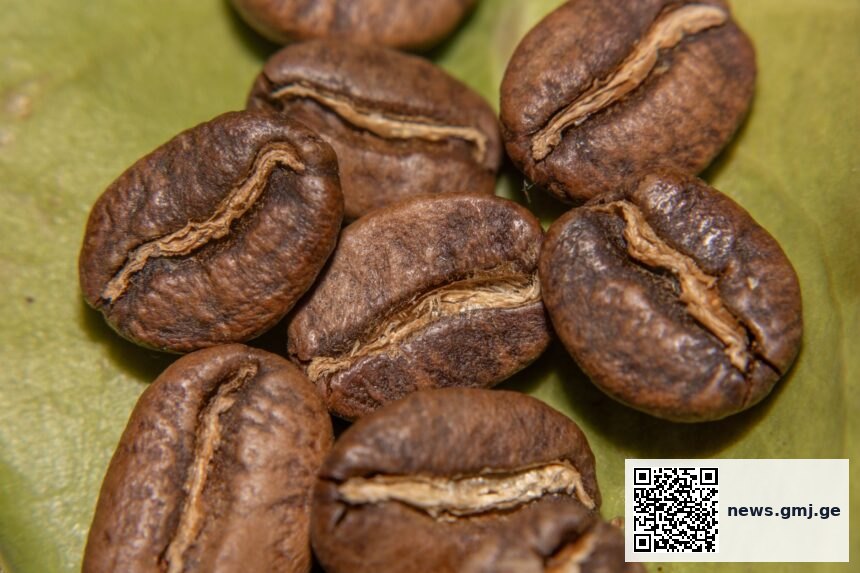
🟡 Preliminary Evidence
Coffee roasting fundamentally alters the polyphenol composition of brewed coffee, with light roasts retaining significantly higher levels of chlorogenic acids—the primary bioactive compounds associated with blood glucose regulation and vascular protection—while darker roasts develop alternative antioxidant profiles through thermal decomposition. According to research on coffee chemistry, light roasts contain approximately 9.45 mg/g of total polyphenols, compared to 8.44 mg/g in medium roasts and 7.95 mg/g in dark roasts, with chlorogenic acid content dropping from 8.0 mg/g in light roasts to 4.35 mg/g in dark roasts.
Key takeaways
- Light roast coffee contains the highest concentration of chlorogenic acids (8.0 mg/g), plant compounds shown to influence glucose metabolism and endothelial function
- Roasting temperature inversely correlates with chlorogenic acid retention; dark roasts lose approximately 46% of these compounds compared to light roasts
- Darker roasting creates new polyphenolic compounds including gallic acids (peaking at 2.33 mg/g in dark roasts), which possess distinct antioxidant properties
- All roast levels deliver measurable antioxidant benefits, but through different chemical pathways and compound profiles
Polyphenol content shifts across roast levels
Chlorogenic acid concentration (mg/g) decreases with roasting temperature; gallic acid increases
Source: Coffee Chemistry Literature | Georgian Medical Journal News

Chlorogenic acids and metabolic health
Chlorogenic acids represent the dominant polyphenolic compound in coffee, with particular relevance to carbohydrate metabolism. Research published in the Journal of Agricultural and Food Chemistry demonstrates that chlorogenic acids function as alpha-glucosidase inhibitors, potentially moderating postprandial glucose spikes through mechanisms analogous to pharmaceutical glycosidase inhibitors. Light roast coffee, which preserves 8.0 mg/g of chlorogenic acids, therefore represents the roast level with the highest theoretical capacity to modulate glucose homeostasis.
Beyond carbohydrate metabolism, chlorogenic acids possess direct vascular effects. According to cardiovascular pharmacology literature indexed in PubMed, these compounds enhance endothelial nitric oxide production and reduce oxidative stress in vascular tissue, suggesting mechanisms by which higher-chlorogenic-acid beverages may support blood pressure regulation and arterial compliance. This represents a plausible pathway linking light roast coffee consumption to the cardiovascular associations observed in large prospective cohort studies.
For consumers prioritizing chlorogenic acid intake, our explainer section provides guidance on evidence-based coffee selection strategies that account for roast level and brewing method.
Roasting transforms polyphenolic chemistry
The thermal degradation of chlorogenic acids during roasting does not represent a nutritional loss in absolute terms, but rather a chemical transformation. As chlorogenic acid concentration falls from 8.0 mg/g (light) to 6.56 mg/g (medium) to 4.35 mg/g (dark), alternative polyphenolic compounds—notably gallic acids—accumulate. Gallic acid concentrations rise to 0.94 mg/g in medium roasts and peak at 2.33 mg/g in dark roasts, indicating that roasting redirects the polyphenolic profile rather than eliminating bioactive compounds entirely.
This chemical shift carries practical implications for antioxidant capacity. While total polyphenol concentration decreases slightly across roast levels (from 9.45 mg/g to 7.95 mg/g), the antioxidant quality may differ between compound types. Recent data summaries suggest that gallic acids, though less studied than chlorogenic acids in clinical contexts, possess potent free radical scavenging capacity and may contribute distinct anti-inflammatory effects. The choice between light and dark roast therefore reflects not a choice between “healthy” and “unhealthy” but rather a choice between different polyphenolic profiles with potentially different physiological targets.
Medium roast as a compromise profile
Medium roast coffee presents a transitional polyphenolic composition, retaining 8.44 mg/g of total polyphenols (compared to 9.45 mg/g in light roast) while beginning the thermal generation of secondary antioxidants. Chlorogenic acid content falls to 6.56 mg/g—approximately 18% lower than light roast—while gallic acids rise to 0.94 mg/g. This profile may appeal to consumers seeking to balance chlorogenic acid preservation with the organoleptic and potential digestive benefits associated with more developed roasting.
From a public health perspective, medium roast occupies a practical middle ground. Clinical guidance on coffee consumption typically emphasizes individual tolerance and preference, and medium roast may optimize both palatability and bioactive compound retention for populations with baseline sensitivity to high-acid beverages. For individuals with confirmed glucose dysregulation or diagnosed vascular disease, however, evidence-based recommendations would favor light roast formulations to maximize chlorogenic acid intake.
Light roast coffee delivers 8.0 mg/g of chlorogenic acids compared to 4.35 mg/g in dark roast, a 46% difference with potential implications for glucose regulation and vascular function.
— Coffee Chemistry Literature, indexed in Journal of Agricultural and Food Chemistry
What this means
Frequently asked questions
Does roasting destroy the health benefits of coffee?
No. Roasting alters the polyphenolic composition rather than eliminating bioactivity. Light roasts preserve maximum chlorogenic acids (8.0 mg/g); dark roasts preserve different antioxidant compounds like gallic acids (2.33 mg/g). All roast levels contain measurable antioxidant activity, achieved through different chemical pathways. The choice reflects preference for different bioactive profiles, not presence or absence of health benefit.
Which roast is best for blood sugar control?
Light roast offers the highest chlorogenic acid concentration (8.0 mg/g) and aligns with research on alpha-glucosidase inhibition and glucose homeostasis. However, individual glucose response to coffee depends on multiple factors including total caffeine intake, meal composition, and baseline insulin sensitivity. Patients with diagnosed glucose dysregulation should select light roast but monitor their personal postprandial response and consult their healthcare provider regarding optimal timing and quantity.
Is there a “best” coffee roast for cardiovascular health?
Light roast maximizes chlorogenic acid, which research links to endothelial function and blood pressure regulation. However, medium and dark roasts contain alternative antioxidants with independent cardiovascular effects that remain incompletely characterized. For individuals with established hypertension or coronary disease, light roast represents a reasonable evidence-based choice; however, overall coffee consumption pattern (total cups, timing, brewing method) likely outweighs minor differences in roast selection.
As coffee consumption patterns continue to shift globally and interest in functional nutrition grows, standardized characterization of polyphenolic content across roast levels will strengthen clinical and public health guidance. Future research should examine whether the chlorogenic acid advantage of light roast translates to measurable clinical outcomes in populations with prediabetes and early-stage vascular disease, and whether individual genetic variation in polyphenol metabolism influences the magnitude of response. Until such evidence matures, current data support light roast selection for individuals seeking maximum chlorogenic acid intake, with medium and dark roasts remaining nutritionally defensible for those prioritizing taste preference or digestive tolerance.
Source: Coffee roasting changes the content of chlorogenic acids and other antioxidants
Was this article helpful?
Disclaimer. This article is health journalism intended for general information and education. It is not medical advice and is not a substitute for professional diagnosis or treatment. Always consult a qualified healthcare provider about your individual circumstances. Full disclaimer →
Related Coverage




Editorial standards. This article was produced under the GMJ News editorial process, with oversight by the GMJ Editorial Board. Our editorial process. Spotted an error? Contact the editorial team.