


Tag: coffee

Hot Beverages and Cancer Risk: What the Evidence Shows About Temperature, Not the Drink
The temperature at which you consume beverages—not the drinks themselves—carries a measurable esophageal cancer risk. The IARC classified very hot…

Coffee’s Dose-Response Puzzle: Why 2–3 Cups Daily May Shield Against Dementia
Moderate coffee consumption—2 to 3 cups daily—is associated with the lowest dementia risk in a new meta-analysis of 450,000+ participants,…

Coffee brewing method significantly affects LDL cholesterol, study finds—paper filters protective
Randomized trials show unfiltered coffee raises LDL cholesterol by 5–10 mg/dL due to cafestol, a fatty molecule trapped by paper…

Coffee and Heart Health: New 2025 Evidence Reshapes Clinical Guidance
New 2025 evidence reshapes clinical guidance on coffee consumption and heart health, showing that brewing method, timing, and dose matter…
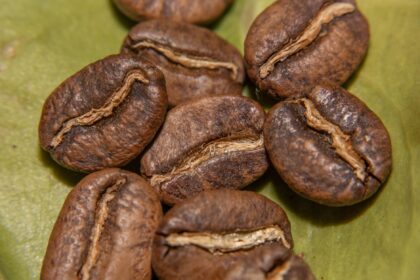
Light roast coffee retains highest chlorogenic acid levels, study shows
Light roast coffee preserves 8.0 mg/g of chlorogenic acids compared to 4.35 mg/g in dark roast, with implications for glucose…

How brewing method reshapes coffee’s chemical profile—espresso and cold brew lead extraction efficiency
Espresso and hot-brewed coffee extract significantly more antioxidant compounds than cold brew at the same coffee dose, according to comparative…
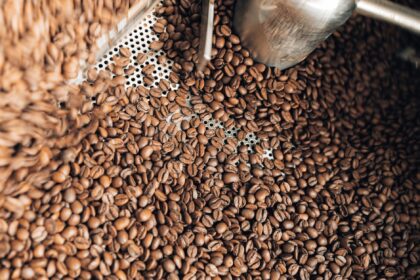
Light Roast Retains Most Chlorogenic Acids, But Dark Roast Offers Different Antioxidants
Light roast coffee retains 8.0 mg/g of chlorogenic acids—nearly twice the concentration found in dark roasts—but roasting transforms the antioxidant…

How Brewing Method Changes What’s in Your Cup: Science of Tea, Coffee, Matcha, and Beyond
The nutritional content of tea, coffee, matcha, cacao, and yerba mate is not fixed. Steeping time, roast level, temperature, and…