🟠 Moderate Evidence
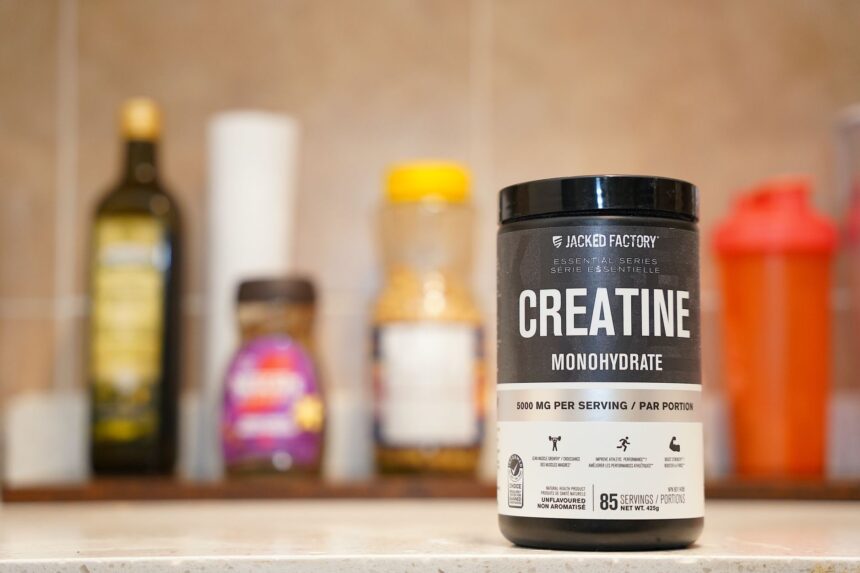
Creatine, a compound widely used in sports nutrition to enhance muscle performance, is now being examined as a potential adjunctive treatment for major depressive disorder. A systematic review of randomized clinical trials found mixed evidence: two trials in women with depression reported symptom improvements when creatine was added to standard antidepressant therapy, while three other trials demonstrated no significant benefit. The findings highlight both the promise and the limitations of repurposing existing supplements for psychiatric treatment.
Key takeaways
- A systematic review examined five randomized clinical trials involving 238 participants testing creatine as an adjunct to standard depression treatment
- Two trials reported positive outcomes in women with Depressive Disorder">major depressive disorder, but three trials found no meaningful clinical benefit
- The mixed results underscore the need for larger, more rigorous trials before creatine can be recommended for routine psychiatric care
- If validated, creatine could offer a low-cost, well-tolerated option for patients with treatment-resistant depression
Study at a Glance
| Source | Systematic review of randomized clinical trials |
| Study type | Systematic review and meta-analysis |
| Sample size | N = 238 participants across five trials |
| Population | Individuals with major depressive disorder |
| Intervention | Creatine supplementation as adjunct to standard antidepressant therapy |
Trial Outcomes: Creatine as Adjunctive Depression Treatment
Distribution of results across five randomized clinical trials (N=238)
Source: Systematic review of randomized clinical trials | Georgian Medical Journal News

Creatine’s Mechanism in Brain Energy Metabolism
Creatine functions as an energy shuttle in cells, particularly in tissues with high metabolic demands such as the brain and muscles. In neurons, creatine phosphate acts as a rapid buffer for adenosine triphosphate (ATP), the cell’s primary energy currency. The hypothesis that creatine supplementation could benefit depression rests on the observation that depression is associated with impaired energy metabolism in key brain regions, including the prefrontal cortex and anterior cingulate cortex.
Theoretically, by enhancing the brain’s energy production capacity, creatine might help restore normal neural function in depressed individuals. This mechanism is distinct from conventional antidepressants, which primarily modulate neurotransmitter systems. The rationale has sufficient biological plausibility to justify clinical investigation, which is why multiple independent research groups have undertaken randomized trials. However, biological plausibility alone is insufficient to establish clinical efficacy—robust empirical evidence is required.
The Evidence: Two Positive Trials, Three Null Results
Two randomized controlled trials in women with major depressive disorder reported that creatine supplementation added to standard antidepressant treatment produced clinically meaningful reductions in depressive symptoms, while three other trials found no significant benefit.
— Systematic review of randomized clinical trials in major depressive disorder
The positive findings emerged specifically from studies enrolling women with major depressive disorder receiving concurrent antidepressant medication. These trials suggest that creatine may act synergistically with standard pharmacotherapy, rather than functioning as a monotherapy. The mechanism for this sex-specific response remains unclear and warrants further investigation.
Conversely, three additional randomized trials failed to detect significant clinical benefits. These null results may reflect genuine differences in treatment efficacy across populations, inadequate dosing regimens, insufficient trial duration, or underpowered study designs. Without access to the full trial protocols and statistical analyses, systematic interpretation of this heterogeneity is challenging. The New Studies section of GMJ News regularly covers such mixed-evidence syntheses to help clinicians navigate conflicting findings.
Implications for Clinical Practice and Research
At present, the evidence base is insufficient to recommend creatine as a standard adjunctive treatment for depression outside of research settings. However, several factors make continued investigation warranted. First, creatine has a favorable safety profile across decades of use in sports medicine, with adverse events rare even at high doses. Second, the cost of creatine supplementation is substantially lower than that of newer antidepressant medications, making it potentially accessible to underserved populations if efficacy is established.
Third, the positive results in women with depression align with emerging research on sex-based differences in depression biology and treatment response. This observation could lead to refined patient selection criteria for future trials. Researchers should prioritize larger, adequately powered, multi-site randomized controlled trials with standardized dosing, clearly defined outcome measures, and pre-specified analyses to resolve the current uncertainty. Trials should also investigate whether creatine is effective as monotherapy, as adjunctive treatment, or in specific subgroups such as individuals with treatment-resistant depression.
The Broader Context: Repurposing Supplements for Mental Health
The investigation of creatine for depression exemplifies a broader trend in psychiatry: examining whether existing, well-tolerated compounds used in other medical contexts might benefit mental health. Similar research is underway with other supplements and medications, including omega-3 fatty acids, N-acetylcysteine, and ketamine. This approach offers potential advantages, including faster translation from preclinical biology to clinical trials, existing safety databases, and lower regulatory barriers to investigation.
However, the creatine evidence also illustrates a critical limitation of this strategy: biological plausibility and promising early findings do not guarantee reproducibility across independent research teams and populations. The psychiatric research community must maintain rigorous standards for evidence synthesis and clinical translation, resisting the temptation to promote promising compounds prematurely. For a comprehensive overview of psychiatric treatment innovations, readers may consult the Georgian Medical Journal and our ongoing coverage in Clinical Updates.
What this means
Frequently asked questions
Is creatine safe for people with depression?
Creatine has a long safety record in sports medicine and has been used in clinical trials without serious adverse events reported. However, individuals with kidney disease or taking medications that affect renal function should consult their physician before supplementation. Creatine is not a replacement for established depression treatments.
Why did some trials show benefit while others did not?
Differences in outcomes may reflect variations in study population (sex, age, depression severity), dosing regimens, trial duration, or statistical power. Notably, the two positive trials specifically enrolled women with major depressive disorder, suggesting that creatine’s effect may be population-dependent. Larger, better-controlled trials are needed to clarify these differences.
Could creatine work as a standalone depression treatment?
The evidence so far suggests creatine may work best as an adjunct to standard antidepressants, rather than as monotherapy. No trials to date have established creatine monotherapy as effective for depression. This remains an open research question.
The emerging investigation of creatine for depression reflects a promising but cautious approach to psychiatric innovation. As additional randomized trials are completed and published, the evidence will become clearer. In the meantime, patients and clinicians should maintain realistic expectations: while the mechanism is plausible and some trials are positive, the overall evidence remains mixed. Continued investment in rigorous clinical research is essential to determine whether creatine can ultimately improve outcomes for individuals with depression, particularly those experiencing inadequate response to conventional therapies.
Source: Scientists say creatine may help fight depression
Was this article helpful?
Disclaimer. This article is health journalism intended for general information and education. It is not medical advice and is not a substitute for professional diagnosis or treatment. Always consult a qualified healthcare provider about your individual circumstances. Full disclaimer →
Related Coverage



Editorial standards. This article was produced under the GMJ News editorial process, with oversight by the GMJ Editorial Board. Our editorial process. Spotted an error? Contact the editorial team.