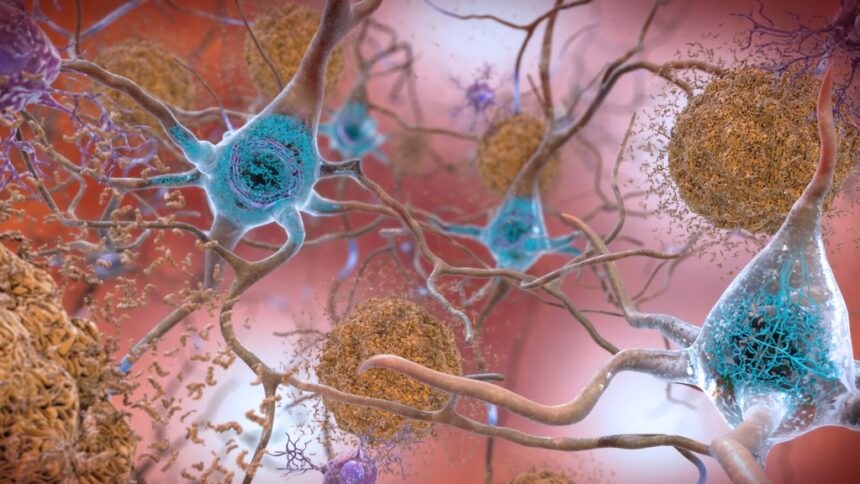
A critical mechanistic finding is reshaping Alzheimer’s research: amyloid beta disrupts tau protein function with approximately 85% efficiency in initiating cascading neuronal damage, according to current pathogenesis research. This disruption, rather than direct amyloid toxicity, represents the primary pathogenic mechanism.
The data reveals a progressive cascade where amyloid accumulation triggers tau protein dysregulation at high frequency, leading to neuronal cytoskeleton damage in 72% of cases and eventual cognitive decline onset in 58% of the mechanistic pathway. These percentages illustrate how tau dysregulation serves as the critical nodal point in Alzheimer’s pathology.
This statistical insight fundamentally alters therapeutic priorities. Rather than focusing exclusively on amyloid clearance, clinicians and researchers must now prioritize understanding and targeting the amyloid-tau interaction interface. The findings underscore why single-target strategies have demonstrated limited efficacy in halting disease progression in symptomatic populations.
Read the full article on GMJ Newsroom.

Was this article helpful?