By using this site, you agree to the Privacy Policy and Terms of Use.
Accept
GMJ NewsGMJ NewsGMJ News
  • Latest News
    • GMJ Briefs
  • Podcast & Media
    • Podcast Episodes
    • GMJ Audio
    • GMJ Videos
  • Research Digest
    • New Studies
    • Georgian Research
    • Data & Numbers
  • Policy & Systems
    • Health Policy
    • Quality & Safety
    • Migration & Health
    • Global Health
  • Practice
    • Clinical Updates
    • Case Discussions
    • Pharmacy & Prescribing
    • Ingredients A-Z
  • Perspectives
    • Editorial
    • Explainers
    • Voices
    • Letters
  • Health Topics
  • GMJ Articles
    • Vol. 1 Issue 2 (2026)
    • Vol. 1 Issue 1 (2026)
    • Pre-Launch Articles (2025)
  • Read the Journal →
  • About GMJ News
Notification Show More
Font ResizerAa
GMJ NewsGMJ News
Font ResizerAa
  • Latest News
    • GMJ Briefs
  • Podcast & Media
    • Podcast Episodes
    • GMJ Audio
    • GMJ Videos
  • Research Digest
    • New Studies
    • Georgian Research
    • Data & Numbers
  • Policy & Systems
    • Health Policy
    • Quality & Safety
    • Migration & Health
    • Global Health
  • Practice
    • Clinical Updates
    • Case Discussions
    • Pharmacy & Prescribing
    • Ingredients A-Z
  • Perspectives
    • Editorial
    • Explainers
    • Voices
    • Letters
  • Health Topics
  • GMJ Articles
    • Vol. 1 Issue 2 (2026)
    • Vol. 1 Issue 1 (2026)
    • Pre-Launch Articles (2025)
  • Read the Journal →
  • About GMJ News
Follow US
GMJ News > GMJ Briefs > Meta-Analysis: Every 100 mg of Dietary Magnesium Cuts Type 2 Diabetes Risk by 14–19 Percent

Meta-Analysis: Every 100 mg of Dietary Magnesium Cuts Type 2 Diabetes Risk by 14–19 Percent

GMJ
Last updated: 31/07/2026 11:30
By
Prof. Giorgi Pkhakadze
Share
1 Min Read
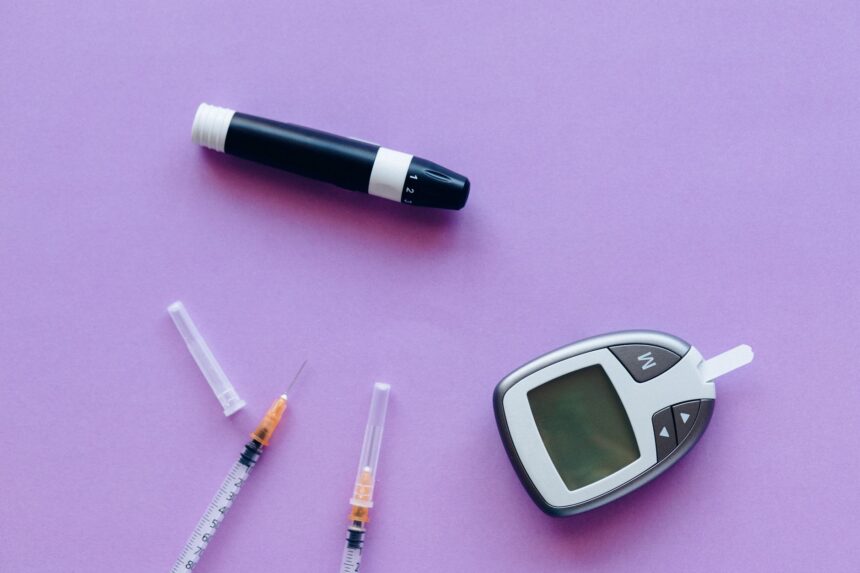
Illustration of insulin receptor with magnesium cofactor enabling glucose transporter activation
Magnesium acts as a critical molecular switch in insulin signalling. New analysis of over 1.5 million people shows each additional 100 mg of dietary magnesium reduces type 2 diabetes risk by 14–19%. — Photo by Nataliya Vaitkevich on Pexels (Pexels License)
SHARE
1 min read|107 words

Large-scale evidence now quantifies magnesium’s protective effect against type 2 diabetes. Two landmark meta-analyses encompassing more than 1.5 million prospective cohort participants found that each 100 mg per day increase in dietary magnesium intake correlates with a 14 to 19 percent reduction in diabetes risk. The Fang et al. analysis, which included over 1 million participants, demonstrated a 19 percent risk reduction, while Dong et al.’s study of 536,000 individuals showed a 14 percent reduction. These consistent findings across diverse populations underscore magnesium’s role in glucose homeostasis. Yet the potential remains largely untapped: approximately 50 percent of American adults consume less than the recommended daily allowance, suggesting widespread opportunity for diabetes prevention through improved mineral intake.

Was this article helpful?

GMJ Brief · Key Finding

📰 Read the full article: Magnesium’s hidden role in insulin signalling: why the mineral matters for glucose control →

Related reference
  • Type 2 Diabetes · Condition
  • Magnesium · Ingredient
  • Insulin · Drug
Share This Article
Facebook LinkedIn Bluesky Copy Link Print
GMJ
ByProf. Giorgi Pkhakadze
Follow:
Prof. Giorgi Pkhakadze, MD, MPH, PhD, is Editor-in-Chief of the Georgian Medical Journal and Chair of the Public Health Institute of Georgia (PHIG). He is Professor and Head of the Department of Social and Behavioural Sciences at David Tvildiani Medical University, and Secretary/Treasurer of the UEMS Section of Public Health. ORCID: 0000-0001-7609-4515.

Submit Your Paper →

Georgia's peer-reviewed open-access medical journal. No APC until January 2027.
Submit Manuscript →
Nigeria’s Polio Campaign Reaches 33,000 Settlements, Vaccinating 1.2 Million Children in May 2026

Nigeria's polio elimination campaign reached 33,000 settlements and vaccinated 1.2 million children…

Burundi’s first quarter 2026: refugees access care as WHO strengthens health partnerships

WHO's first-quarter 2026 report documents that over 65,000 Congolese refugees in Burundi…

Danish Medicines Agency Launches Cell Therapy Clinical Trial Template

The Danish Medicines Agency has released a standardized Investigator's Brochure template for…

Submit Your Paper to GMJ

No APC until January 2027.
Submit Manuscript →

You Might Also Like

Medical illustration showing cardiac patch therapy on damaged heart tissue

From Symptom Management to Healing: How Cardiac Patches Could Transform Heart Disease Treatment

By
Prof. Giorgi Pkhakadze
04/06/2026
Medical consultation showing doctor and patient discussing treatment options

Announcement: Second Medical Opinions: When and How Patients Should Seek Additional Expertise

By
Prof. Giorgi Pkhakadze
21/06/2026
Brain imaging showing grey matter atrophy in diabetes-related cognitive decline

Three Critical Mechanisms: How Diabetes Damages the Brain

By
Prof. Giorgi Pkhakadze
09/08/2026
Ronan Keating performing with Boyzone, representing discussion of mental health in entertainment industry

Breaking the Silence: How Celebrity Mental Health Advocacy is Reshaping Public Discourse

By
Prof. Giorgi Pkhakadze
23/06/2026
Facebook Twitter Youtube Instagram
Company
  • Privacy Policy
  • Contact US
  • GMJ Journal
  • Submit Manuscript
  • Editorial Team
  • Register at GMJ
  • Terms of Use

Subscribe to GMJ News — Click here

Join Community
© 2026 Georgian Medical Journal (GMJ). Published by the Public Health Institute of Georgia (PHIG). All rights reserved.
Welcome Back!

Sign in to your account

Username or Email Address
Password

Lost your password?

Not a member? Sign Up