By using this site, you agree to the Privacy Policy and Terms of Use.
Accept
GMJ NewsGMJ NewsGMJ News
  • Latest News
    • GMJ Briefs
  • Podcast & Media
    • Podcast Episodes
    • GMJ Audio
    • GMJ Videos
  • Research Digest
    • New Studies
    • Georgian Research
    • Data & Numbers
  • Policy & Systems
    • Health Policy
    • Quality & Safety
    • Migration & Health
    • Global Health
  • Practice
    • Clinical Updates
    • Case Discussions
    • Pharmacy & Prescribing
    • Ingredients A-Z
  • Perspectives
    • Editorial
    • Explainers
    • Voices
    • Letters
  • GMJ Articles
    • Vol. 1 Issue 2 (2026)
    • Vol. 1 Issue 1 (2026)
    • Pre-Launch Articles (2025)
  • Read the Journal →
  • About GMJ News
Notification Show More
Font ResizerAa
GMJ NewsGMJ News
Font ResizerAa
  • Latest News
    • GMJ Briefs
  • Podcast & Media
    • Podcast Episodes
    • GMJ Audio
    • GMJ Videos
  • Research Digest
    • New Studies
    • Georgian Research
    • Data & Numbers
  • Policy & Systems
    • Health Policy
    • Quality & Safety
    • Migration & Health
    • Global Health
  • Practice
    • Clinical Updates
    • Case Discussions
    • Pharmacy & Prescribing
    • Ingredients A-Z
  • Perspectives
    • Editorial
    • Explainers
    • Voices
    • Letters
  • GMJ Articles
    • Vol. 1 Issue 2 (2026)
    • Vol. 1 Issue 1 (2026)
    • Pre-Launch Articles (2025)
  • Read the Journal →
  • About GMJ News
Follow US
GMJ News > GMJ Briefs > Unmonitored Rare Earth Mining in Myanmar Poses Emerging Public Health Threat

Unmonitored Rare Earth Mining in Myanmar Poses Emerging Public Health Threat

GMJ
Last updated: 26/06/2026 15:36
By
Prof. Giorgi Pkhakadze
Share
1 Min Read
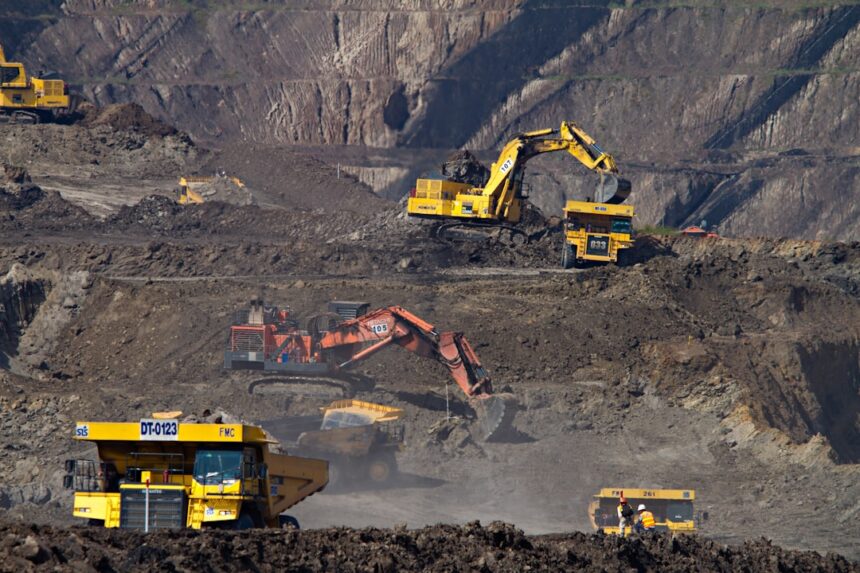
Rare earth mining operation showing environmental concerns in Myanmar
Rare earth mining operations in Myanmar are creating an unmonitored environmental health crisis as global demand for these critical minerals intensifies. The Lancet warns that extraction is proceeding without adequate oversight, potentially exposing local populations to severe health risks. — Photo by Dominik Vanyi on Unsplash (Unsplash License)
SHARE
1 min read|143 words

As global demand for rare earth elements accelerates amid the renewable energy transition, Myanmar’s extraction operations are proceeding without adequate environmental health oversight, according to a commentary in The Lancet Regional Health – Southeast Asia. The 17 critical metals essential for electric vehicle motors, wind turbines, and medical imaging equipment are increasingly sourced from conflict-affected regions where regulatory gaps have created dangerous blind spots.

Local populations face potential exposure to severe contamination from acid processing and chemical runoff used in rare earth extraction. Without proper monitoring systems in place, soil and water contamination risks remain largely invisible to public health authorities. The surge in global demand—particularly for high-performance magnets—has intensified extraction activities in Myanmar, where ongoing conflict has further compromised environmental health oversight and community protection mechanisms.

International health and environmental agencies are calling for urgent action to establish monitoring frameworks and safeguards.

Was this article helpful?

GMJ Brief · Announcement

📰 Read the full article: Rare Earth Mining Creates Hidden Public Health Crisis in Myanmar →

Related reference
  • Iron · Ingredient
Share This Article
Facebook LinkedIn Bluesky Copy Link Print
GMJ
ByProf. Giorgi Pkhakadze
Follow:
Prof. Giorgi Pkhakadze, MD, MPH, PhD, is Editor-in-Chief of the Georgian Medical Journal and Chair of the Public Health Institute of Georgia (PHIG). He is Professor and Head of the Department of Social and Behavioural Sciences at David Tvildiani Medical University, and Secretary/Treasurer of the UEMS Section of Public Health. ORCID: 0000-0001-7609-4515.

Submit Your Paper →

Georgia's peer-reviewed open-access medical journal. No APC until January 2027.
Submit Manuscript →
Obinutuzumab Outperforms Tacrolimus for Primary Membranous Nephropathy

Landmark NEJM trial shows obinutuzumab achieves 60% higher remission rates than tacrolimus…

Peer Support Group Addresses Rising Loneliness Crisis Among Young Adults Following Suicide Death

A national support group launched to combat loneliness among young adults following…

Trump Administration Removes Job Protections for Thousands of Federal Health Workers

Thousands of federal health workers at HHS agencies including CDC, FDA, and…

Submit Your Paper to GMJ

No APC until January 2027.
Submit Manuscript →

You Might Also Like

PHEIC Declaration: Ebola Outbreak Cross-Border Transmission DRC-Uganda

By
Prof. Giorgi Pkhakadze
31/05/2026
Global HealthPolicy & Systems

UNICEF Deploys Emergency Ebola Response Supplies to DR Congo’s Ituri Province

By
Prof. Giorgi Pkhakadze
11/06/2026
Medical chart showing STI prevalence rates among HIV-positive patients in China

Nearly Half of HIV-Positive Patients in China Carry Syphilis Co-infection

By
Prof. Giorgi Pkhakadze
07/06/2026
Rural Thai parents participating in blended parenting intervention programme

No Significant Drop in Child Maltreatment Reported in Thai Parenting Trial

By
Prof. Giorgi Pkhakadze
13/06/2026
Facebook Twitter Youtube Instagram
Company
  • Privacy Policy
  • Contact US
  • GMJ Journal
  • Submit Manuscript
  • Editorial Team
  • Register at GMJ
  • Terms of Use

Subscribe to GMJ News — Click here

Join Community
© 2026 Georgian Medical Journal (GMJ). Published by the Public Health Institute of Georgia (PHIG). All rights reserved.
Welcome Back!

Sign in to your account

Username or Email Address
Password

Lost your password?

Not a member? Sign Up